
Lawn
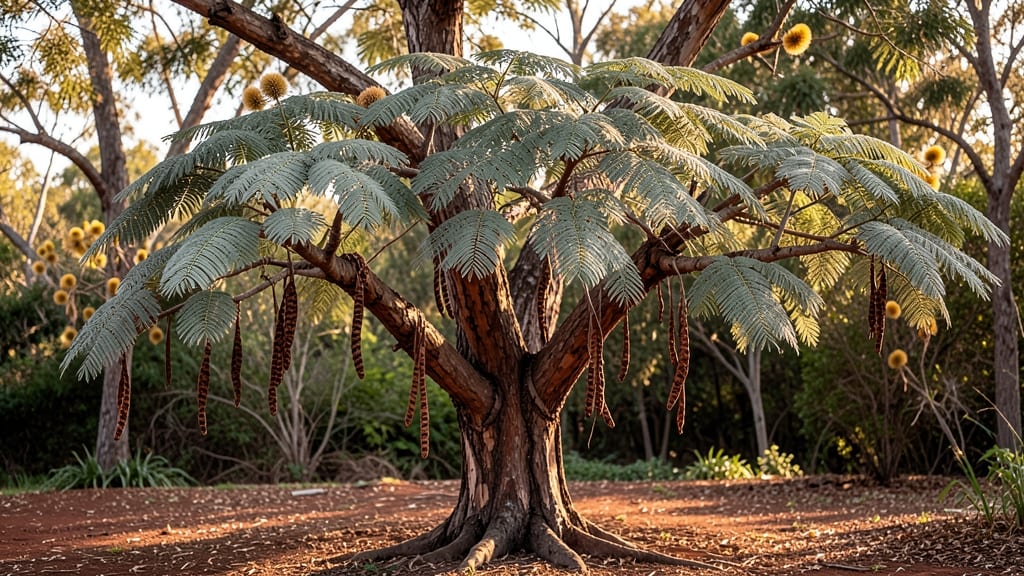
Harvesting acacia seed pods turns your yard into a nursery for stunning trees like Acacia koa or Acacia dealbata. 🌱 The key is timing—wait until pods turn dark brown and begin splitting open naturally, usually in late summer or early fall.
I’ve collected hundreds this way, and the secret lies in patience: rushing the harvest means immature seeds that won’t sprout. You’ll need basic tools: gloves (pods have sharp edges), a bucket, and a warm, dry spot for storage.
For scarification—breaking the seed coat—try soaking pods in water for 24 hours or lightly sanding them. Some varieties, like Acacia koa, benefit from stratification (cold treatment), while others, like Acacia dealbata, germinate faster with just moisture and warmth.
Once planted, keep soil consistently moist but not soggy—young seedlings need gentle care. Within 4-8 weeks, you’ll see tiny green shoots pushing through, signaling success. The first leaves might look strange, but don’t worry; they’ll mature into the feathery foliage you recognize.
This method works year-round if you store pods properly. Whether you’re restoring native landscapes or adding shade to your property, growing acacias from seed is rewarding. Let’s get those pods ready!
📚 In This Guide
- What you need
- Instructions
- Tips and common mistakes
- Wrapping up and next steps
What you need
- ● Acacia seed pods: 10–20 mature, dry pods (harvested when they’re brown and crispy—no give when squeezed!)
- ● Pruning shears or sharp scissors: 1 pair (for harvesting pods from trees or cutting branches)
- ● Paper towels or newspaper: 2–3 sheets (for drying seeds)
- ● Small paper bags or envelopes: 5–10 (for seed storage)
- ● Plastic container with lid: 1 (for soaking seeds, like a shallow Tupperware)
- ● Water: Room-temperature, filtered if possible
- ● Gloves (gardening or work gloves): 1 pair (acacia pods can be prickly!)
- ● Magnifying glass: 1 (helps inspect seeds for viability)
- ● Seedling trays or small pots: 10–15 (3–4 inch pots work great for germination)
- ● Potting mix: 1 bag (well-draining, cactus/succulent mix is ideal)
- ● Spray bottle: 1 (for gentle watering during germination)
- ● Grow lights or sunny windowsill: 1 (if natural light is limited)
- ● Label markers & tags: 5–10 (to track seed varieties)
Step-by-Step guide to harvesting and germinating acacia seed pods
Acacia seed pods hold a treasure trove of potential—here’s how to collect, prepare, and germinate them with precision.
🌱 Step 1: Identify and Harvest Mature Seed Pods
Look for pods that have turned a deep brown or black color and feel dry to the touch—these are ready for harvest. I always wait until pods begin to crack open naturally, as premature harvesting reduces seed viability. Use clean, sharp pruning shears to snip pods from the tree, cutting the stem cleanly to avoid damaging the plant.
Harvest on a dry, sunny day to prevent moisture from seeping into the pods. Collect pods in a breathable mesh bag or paper sack to allow airflow—this prevents mold and keeps seeds dry. If pods are still green, leave them on the tree for another week or two. Overripe pods may release seeds prematurely, so act when you see that first telltale split.
🪴 Step 2: Dry and Store Pods Properly
Spread the harvested pods in a single layer on a clean, dry surface in a well-ventilated area. I use a wire mesh screen or a cardboard box with holes punched in the sides. Keep them out of direct sunlight to prevent overheating, which can damage the seeds inside. Turn the pods occasionally to ensure even drying—this usually takes 7-10 days depending on humidity levels.
Once fully dry, the pods should rattle when shaken and feel brittle. Store them in a sealed, airtight container like a glass jar or plastic bag with silica gel packets to absorb any remaining moisture. Label the container with the harvest date—viable seeds can last 1-2 years if stored this way, though germination rates decline over time.
💧 Step 3: Extract Seeds and Prepare for Germination
Gently crush each pod between your palms or use a small hammer to break it open—acacia seeds are hard and need careful handling. Lay the pods on a clean cloth and tap them with a wooden spoon to release the seeds. Discard any seeds that are discolored, shriveled, or appear damaged, as these won’t germinate.
Soak the viable seeds in lukewarm water for 12-24 hours to soften the outer coating. This step is critical—acacia seeds have a tough seed coat that slows germination. After soaking, drain the water and let the seeds air-dry on a paper towel for 30 minutes before planting. This prevents mold and ensures the seeds don’t sit in moisture too long.
☀️ Step 4: Plant Seeds for Germination
Fill small pots or seed trays with a well-draining cactus or succulent mix—acacia seeds need excellent drainage to prevent rot. Plant the seeds ¼ inch deep in the soil, spacing them 1 inch apart to avoid overcrowding. Press the soil lightly around each seed but don’t compact it, as acacia seedlings need loose soil to push through.
Place the pots in a warm, bright location with indirect sunlight—a south-facing window works well, but avoid direct midday sun, which can overheat the soil. Maintain consistent moisture by watering gently from the bottom of the pot; let the top inch of soil dry out between waterings. Germination can take 2-4 weeks, so patience is key.
✂️ Step 5: Transplant and Care for Seedlings
Once seedlings develop 2-3 sets of true leaves (not the initial cotyledons), they’re ready to transplant. Choose a well-draining soil mix with added perlite or sand to mimic their native, arid conditions. Acacia trees thrive in full sun, so place them outdoors in a location with 6+ hours of direct sunlight daily. Harden off seedlings by gradually exposing them to outdoor conditions over 7-10 days before permanent planting.
Water deeply but infrequently—acacia seedlings are drought-tolerant once established, so let the soil dry out completely between waterings. Fertilize lightly with a balanced, diluted fertilizer (10-10-10) every 6-8 weeks during the growing season. Prune leggy growth early to encourage a bushier, stronger structure. With proper care, your acacia seedlings will grow into hardy, ornamental trees in just a few years.
Tips & tricks for perfect acacia seed pod germination
Here's what nobody tells you about turning those tough pods into thriving seedlings—these tricks make all the difference.
Harvesting Precision: The 7-10 day drying period in Step 2 is your quality control window. If your climate is humid (like 70%+), extend drying to 12-14 days by placing pods near a fan or in a dehydrator on low heat. I learned this the hard way after mold ruined two batches—proper airflow is everything. Test dryness by shaking a pod; it should sound hollow and feel papery thin.
Seed Selection Strategy: In Step 3, when tapping pods to release seeds, sort them by size—larger seeds (about ½ inch long) germinate most reliably. Discard any seeds with dark spots or a musty smell, even if they look plump. The 12-24 hour soak is non-negotiable for breaking dormancy, but I add a drop of mild dish soap to the water to prevent fungal growth during this critical phase.
Germination Environment: For Step 4, create a mini greenhouse effect by covering planted pots with clear plastic wrap secured with rubber bands. This maintains humidity while allowing light through—just remove the wrap daily for 10 minutes to prevent mold. Place a small heating pad (set to low) underneath the pots to keep soil temps between 75-80°F, which speeds germination from 2-4 weeks to as little as 10-14 days.
Transplanting Timing: The 7-10 day hardening off period in Step 5 is where most seedlings fail. Start with just 15 minutes outside on day 1, then double exposure time each day. I mark each pot with a permanent marker to track progress—this prevents over-exposure. Watch for leaf curling; if you see it, bring seedlings back inside immediately and try again the next day.
Pro Tips for Acacia Seed Pods
- Here's what nobody tells you about turning those tough pods into thriving seedlings—these tricks make all the difference.
- Harvesting Precision: The 7-10 day drying period in Step 2 is your quality control window.
- Seed Selection Strategy: In Step 3, when tapping pods to release seeds, sort them by size—larger seeds (about ½ inch long) germinate most reliably.
Frequently asked questions
Got questions about acacia seed pods? You’re not alone! Here are some of the most common queries—plus straightforward answers to help you navigate growing, harvesting, and troubleshooting with ease.
How long does it take for acacia seed pods to mature?
Most acacia seed pods take 6–12 months to mature, depending on the species and climate. For example, Acacia koa pods may ripen in 8–10 months, while others like Acacia senegal can take up to a year. Watch for pods to turn brown or black and split open slightly—they’re ready when seeds rattle inside!
Can I harvest seed pods too early?
Yes, but immature pods won’t yield viable seeds. Harvesting too early (when pods are green or firm) risks low germination rates or moldy seeds. Wait until pods are dry, brittle, and split naturally. If you’re unsure, gently squeeze a pod—if seeds pop out easily, it’s ready!
What’s the best way to store harvested acacia seed pods?
Store pods in a cool, dry place (like a paper bag or breathable container) to prevent moisture buildup. Avoid plastic—it traps humidity and can cause mold. For long-term storage (6+ months), dry seeds further at 80–90°F (27–32°C) for 1–2 weeks before sealing in an airtight container.
Why are my seed pods getting eaten by pests?
Common culprits include beetles, weevils, or rodents, which love tender pods. Prevent damage by:
- Netting young pods to block insects.
- Removing fallen pods promptly to deter pests.
- Using neem oil or diatomaceous earth as a natural deterrent.
Can I grow acacia seed pods in containers?
Dwarf varieties like Acacia baileyana thrive in 5-gallon+ containers with well-draining soil. Use a fast-draining mix (like cactus soil + perlite) and ensure pots have drainage holes. Place in full sun (6+ hours/day) and water deeply but infrequently—acacias hate soggy roots!
Wrapping up and next steps
Acacia seed pods are nature’s versatile treasure—packed with potential for gardening, crafting, and even culinary adventures! Whether you’re a lawn enthusiast or a DIY lover, mastering their care ensures a reliable, year-round harvest of viable seeds.
With the right tools, patience, and a dash of creativity, you’re well on your way to transforming these pods into something extraordinary.
Ready to take the next step? 🌱 Start small—plant a few pods in your garden or experiment with seed extraction for a new project. Share your progress with fellow green thumbs, and let your acacia adventure grow!