
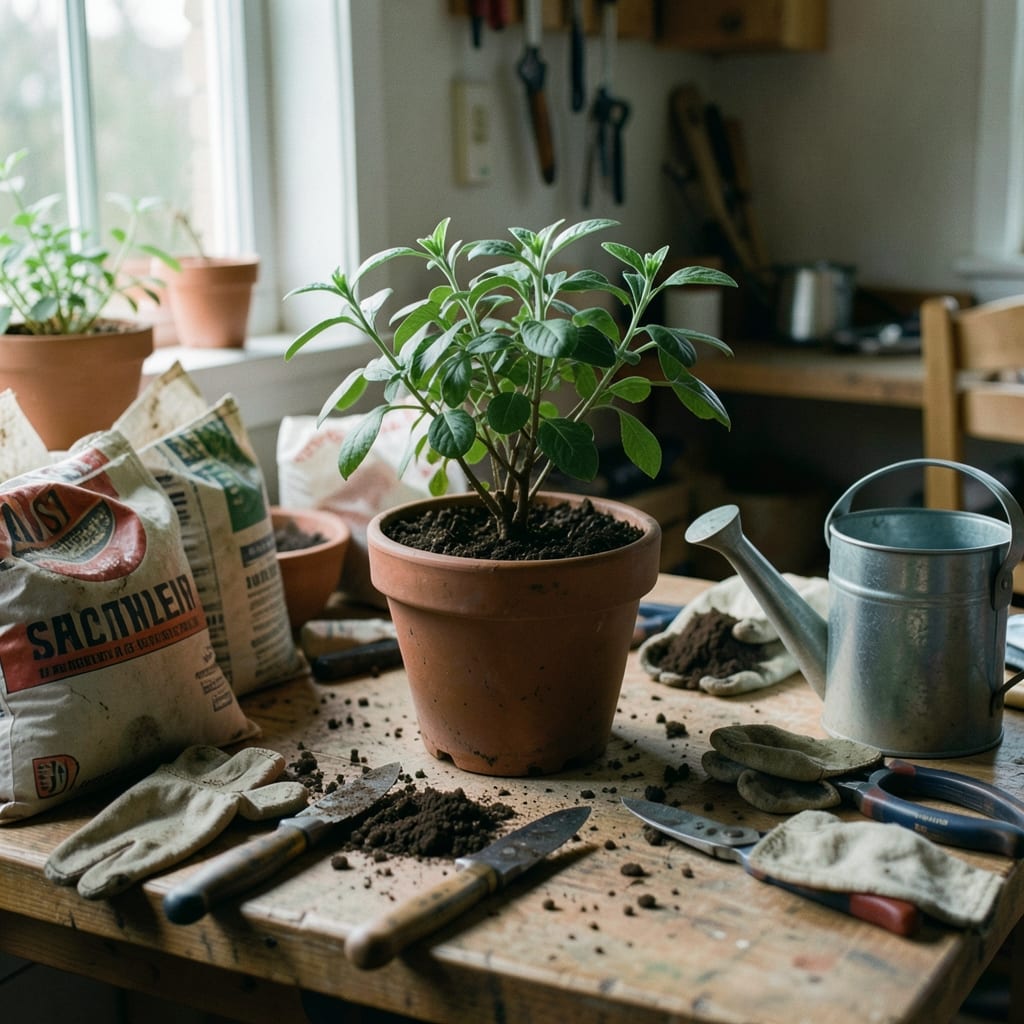
What this work is made with
This page is not a story. It is a list of things—the objects that hold *Seed Field* together, the tools that shape what you’ll find here. Gardening is not just knowledge; it is the soil’s resistance, the sun’s stubbornness, the way a seed either breaks or bends.
We name the things that do the work, because that is how you learn to trust them.
*Seed Field* writes about the quiet battles of cultivation: which seeds cheat you, which weeds outsmart you, and how to outlast them all. The site depends on more than words.
It depends on the things that have survived the wrong decisions, the failed patches, and the lessons that only dirt can teach.
The things that do the work
Four objects keep this work alive. They are not elegant. They are not new. They are the things that have never let us down—even when we deserved to be let down.
The trowel
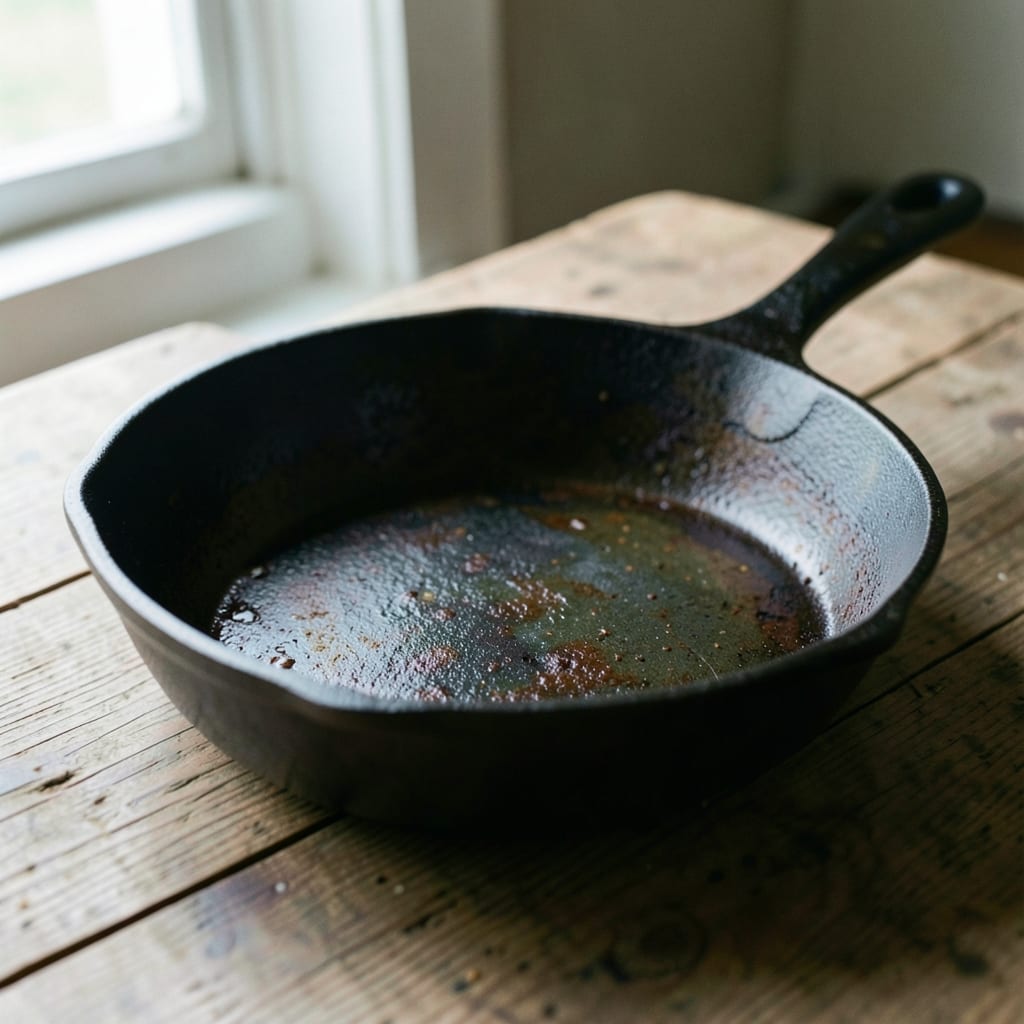
A three-inch stainless-steel blade, its handle wrapped in frayed green tape. It arrived in 2018, a hand-me-down from a neighbor who swore by it for twenty years.
The tape is the only thing holding the handle together now; the original rivets gave out in 2020, and we’ve been duct-taping it back into shape ever since.
It taught us that tools do not need to be perfect to be useful. This trowel has split more seedling roots than it has planted, but it is the only one that fits the cracks between bricks where weeds take root.
Without it, half the site’s ‘troubleshooting’ section would not exist.
The wooden plant label
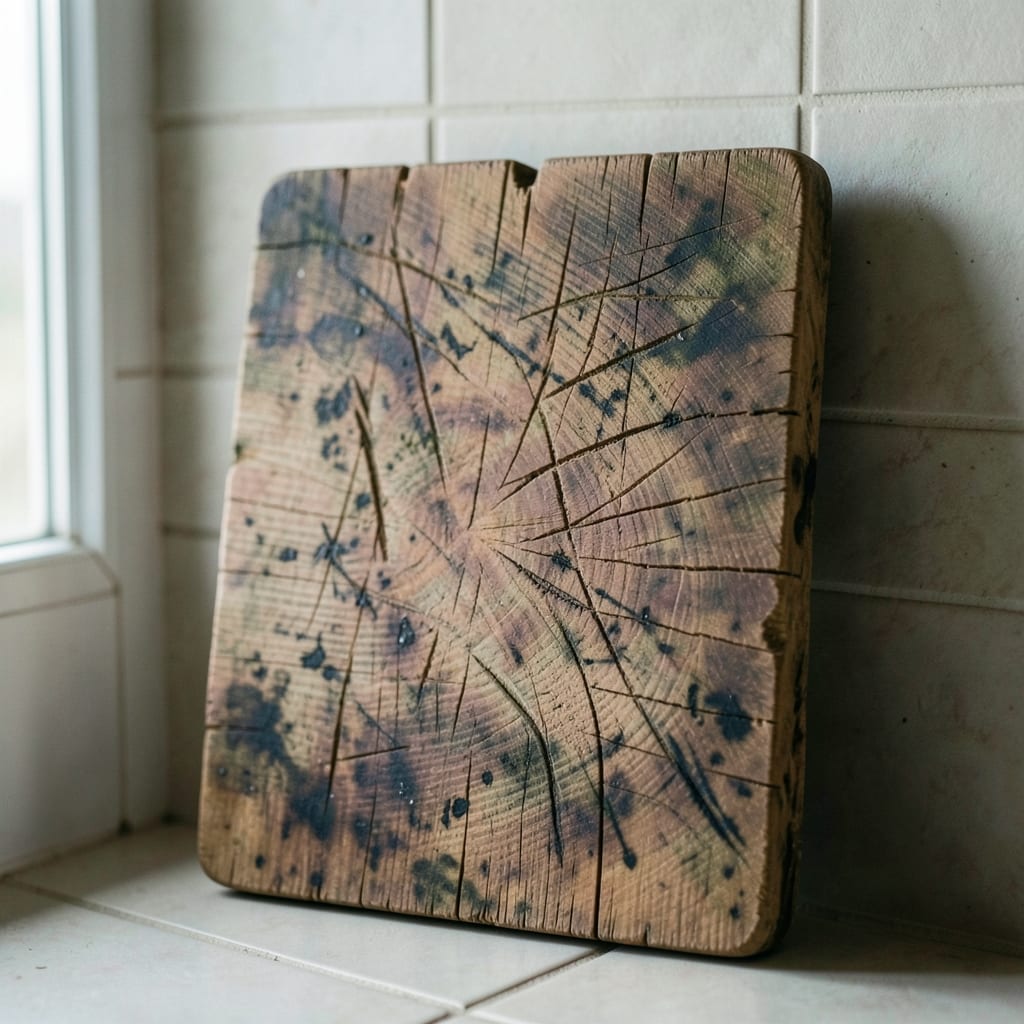
A 2x4-inch slab of cedar, carved by hand with a pencil. It has no numbers, no letters—just the faint grooves where we’ve tried to write seed names over and over.
The first one broke in 2019 when we used it to pry up a stubborn rock; we’ve been using the same splintered piece ever since, propped against the fence with a brick.
It proved that labels are optional. The site’s ‘seed starting’ guides now include a section on how to remember what you planted without writing it down—because half the time, the labels get buried anyway.
The burlap sack
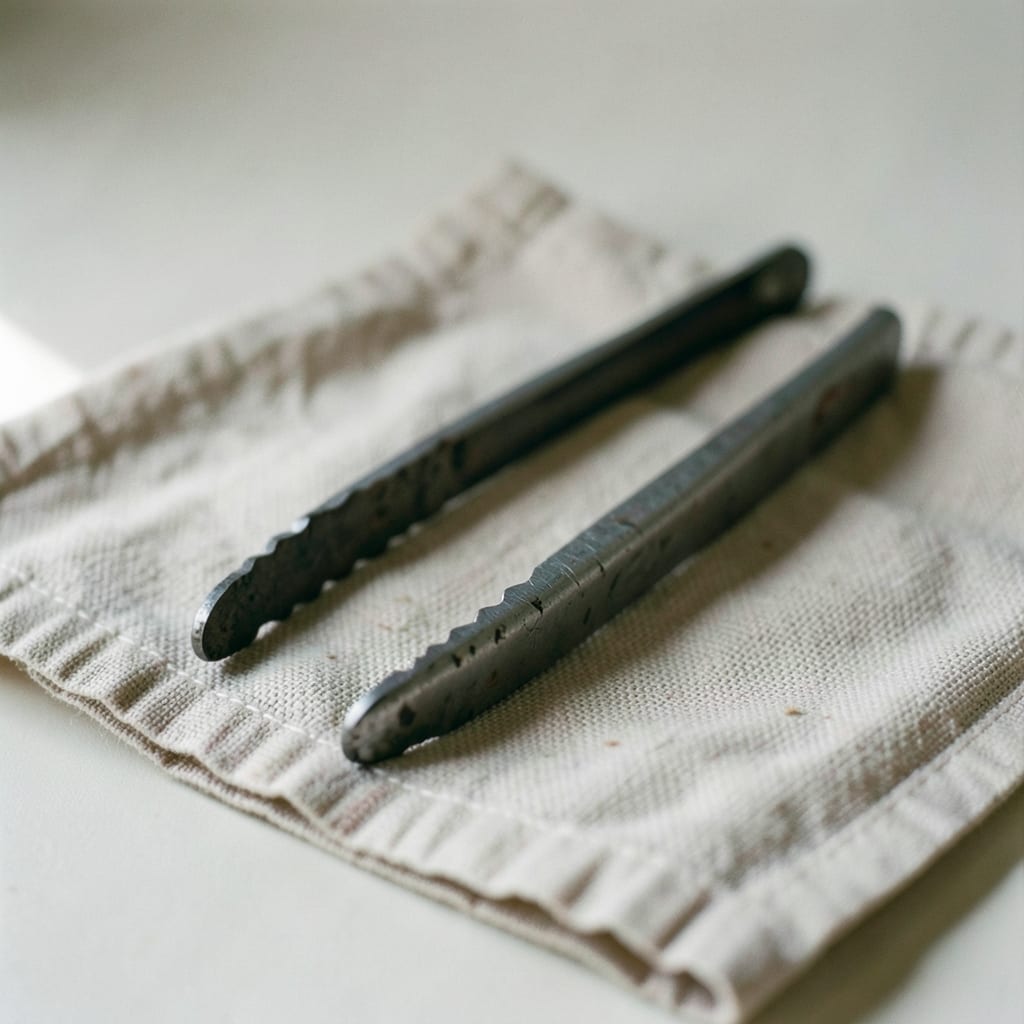
A 50-pound sack of compost, now holding nothing but old gloves, a rusted pruner, and a single, half-crushed tomato from last summer. It has been in the corner of the shed since 2021, its stitching unraveling where the mice chewed through.
We keep it because it is the only thing that ever survived a flood—when the rain came in June 2023, everything else got soaked, but this sack just got heavier.
It taught us that some failures are just waiting to be repurposed. The site’s ‘garden rescues’ series was born from the things we pulled out of that sack after the flood—broken pots, moldy seeds, and a single, still-useful packet of heirloom beans.
The stone
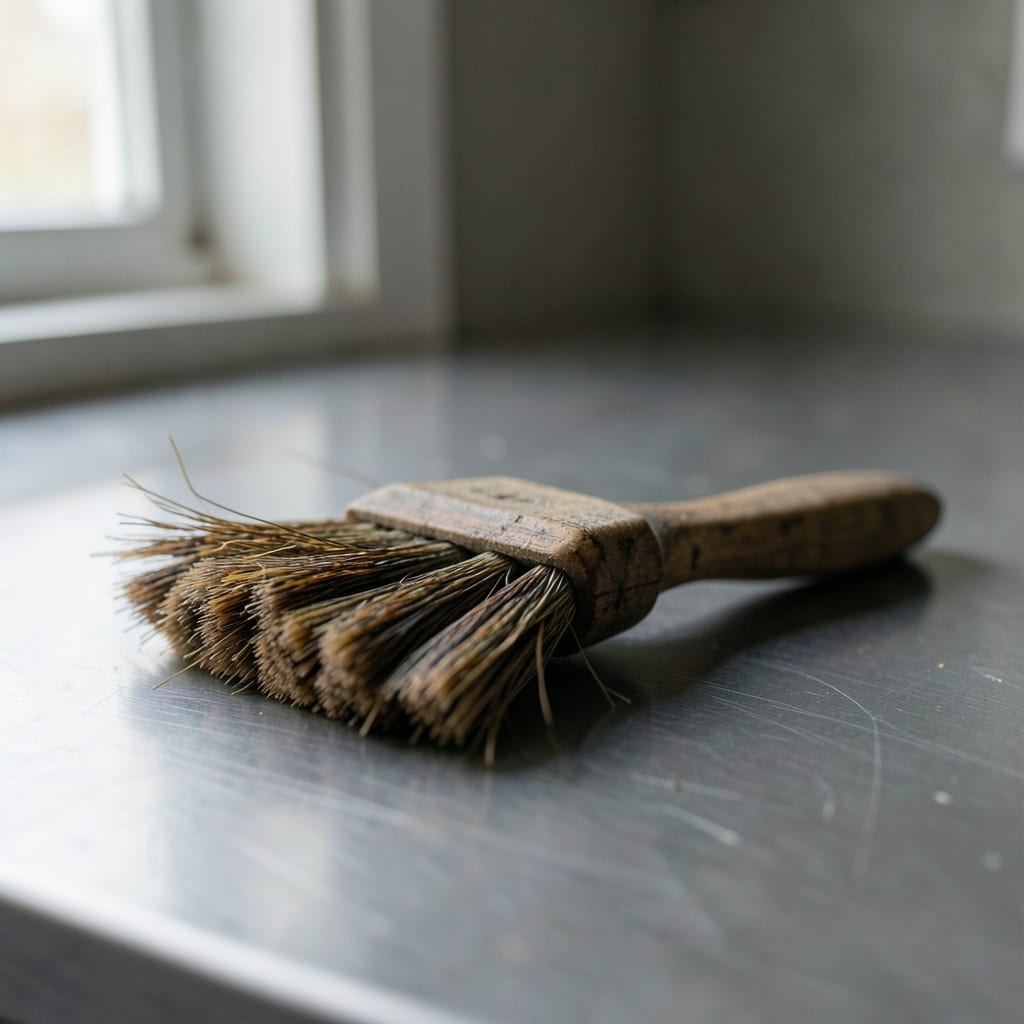
A river-worn basalt, about the size of a fist, that we use to crush seed coatings. It has been here since before the site existed—it was sitting in the garden when we moved in, and we’ve been using it ever since.
The edges are smooth where we’ve worn them down, and one side is chipped from when it slipped in 2022 and nearly took out a thumb.
It proved that some tools are timeless. The site’s ‘seed saving’ guides now include a section on why you don’t need a mortar and pestle—just a rock and a little patience. It also explains how to tell when a stone is ‘done’ for the job.
What is not in the drawer
This work does without four things: perfection, haste, fancy tools, and the illusion of control.
Deliberately absent
- A soil test kit—because the best gardens are the ones that learn by failing.
- A pressure washer—because some stains are just stories waiting to be told.
- A smartphone in the garden—because dirt is better at teaching than a screen.
- A ‘perfect’ season—because every garden has its own rules.
Behind the scenes
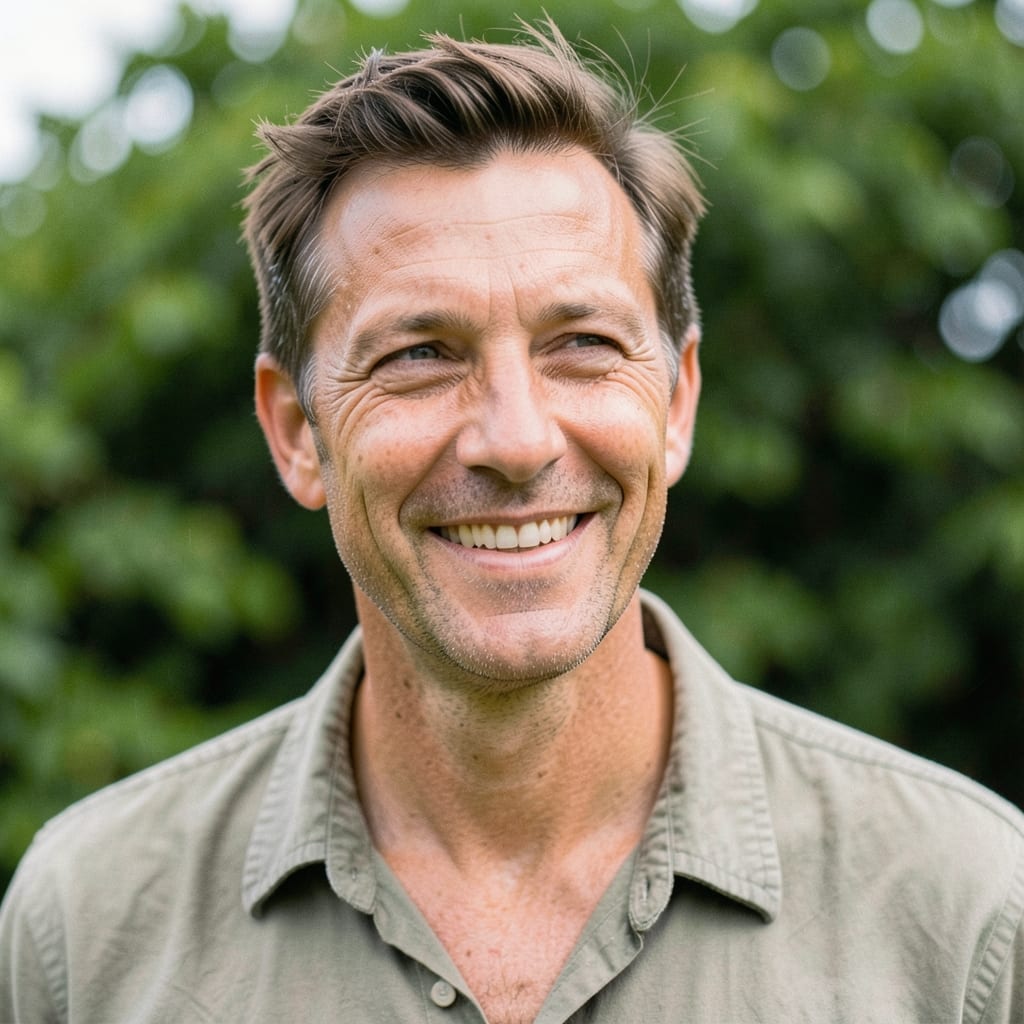
I am Ira Kaminski, the founder and editor of *Seed Field*. I am the one who digs in the dirt, who gets covered in mud, who still cannot tell a dandelion from a young sunflower without pulling them both up to check.
I came to this from a childhood spent begging for potted plants instead of toys. My mom handed me the first seed packet when I was eight, and by eleven, I was already complaining that the instructions were wrong. The garden was always more honest than the book.
This work has given me a permanent dirt line under my nails, a habit of squinting at the horizon to guess the weather, and a deep suspicion of ‘expert’ advice that sounds too neat.
I now notice the way light hits the soil at different times of day, and I cannot walk past a patch of weeds without wondering if they’re edible.
I am here to write the parts of gardening that no one else bothers with: the mistakes, the near-misses, and the quiet victories. This site is not about growing perfect plants. It is about growing *anything*—and learning why it matters.
Why any of this matters to you
These objects are not just tools. They are proof that gardening is not a science—it is a conversation. The trowel that splits roots, the stone that crushes seeds, the sack that holds the failures: they all tell you the same thing. The soil does not care about your plans.
It only cares about what you are willing to listen to.
Every page on *Seed Field* is built on the same principle: trust the things that have lasted. The advice here is not polished. It is not guaranteed. But it is tested—by the same hands that have been burned, scratched, and rewarded by the dirt.
You will find no step-by-step guides that assume you know what you are doing. You will find the things that broke, the seeds that refused to grow, and the lessons that only come from getting your hands dirty. The site exists because gardening is not about following rules—it is about learning which ones to break.
The guides are grouped by category: Companion Plants, Container Gardens, Fertilization, Flowers, How To and Lawn.