
Lawn
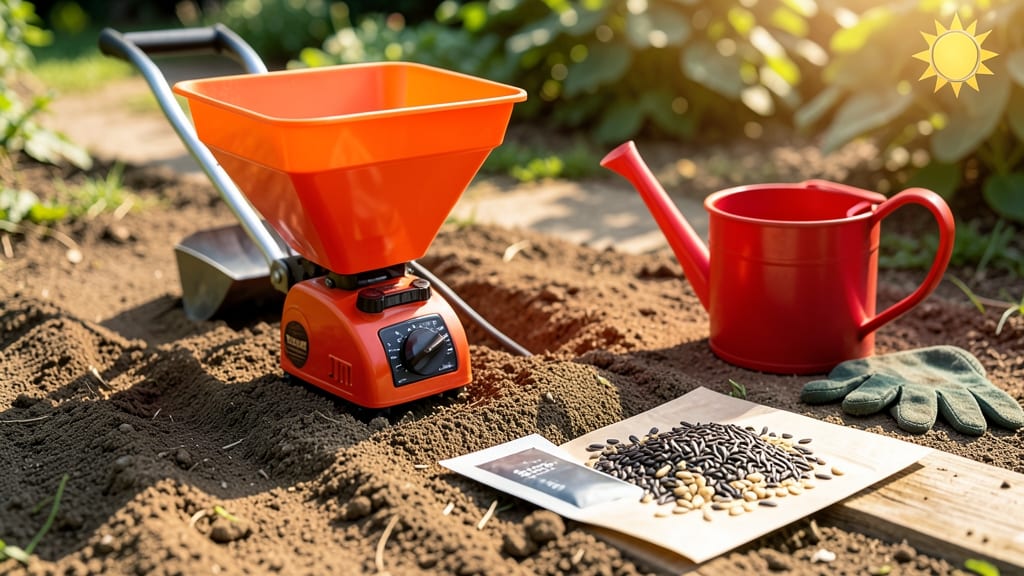
Twisting open grass seed pods always feels like a gamble—will the seeds still be viable after a year? 🌱 My sunny mix grass seed guide solves that frustration by showing you how to plant fresh, high-quality seed every time, plus the exact steps to grow a thick, lush lawn that outcompetes weeds naturally.
The secret starts with proper soil prep: till the top 4 inches to break up compaction, then rake smooth like you're leveling a pancake batter. For sunny spots, choose a mix with 60% tall fescue and 40% perennial ryegrass—it handles heat better than Kentucky bluegrass and stays green longer.
Spread seeds at 5-8 lbs per 1,000 sq ft using a broadcast spreader for even coverage.
Watering is where most people mess up: keep the soil damp (not soggy) for the first 2-3 weeks—that's when seeds germinate. After that, water 1-1.5 inches per week, either from rain or your hose.
You'll see sprouts in 7-14 days, and within 6-8 weeks, your lawn will be dense enough to crowd out weeds on its own.
For long-term success, mow high (3-4 inches) and fertilize twice a year—spring and fall. The twist-free pods trick? Store unused seed in airtight containers with a silica packet, and you'll have viable seed ready for next year's project. No more guessing if your old seed will work.
📚 In This Guide
- What you need
- Instructions
- Tips and common mistakes
- Wrapping up and next steps
What you need
- ● Grass Seed Sunny Mix: 10-20 lbs (depending on lawn size; check package for coverage rate).
- ● Lawn spreader: Drop or broadcast type (rent or buy for even distribution).
- ● Rake: Plastic or metal with ¼-inch tines for leveling soil and removing debris.
- ● Water source: Garden hose with adjustable nozzle (fine mist setting) or sprinkler.
- ○ Soil test kit (optional but recommended): To check pH and nutrient levels (ideal pH: 6.0–7.0).
- ● Gloves: Heavy-duty work gloves to protect hands from soil and seeds.
- ● Knee pads: For comfort during prep work (trust us, your knees will thank you!).
- ○ Lawn roller (optional): Lightweight (50–100 lbs) to press seeds into soil after sowing.
- ○ Mulching hay or straw (optional): ¼-inch layer to retain moisture and protect seeds from birds.
- ● Fertilizer (starter blend): High-phosphorus (e.g., 5-10-10 ratio) to boost root growth.
- ● Clear the lawn of weeds, rocks, and debris (mow short if grass is present).
- ● Test soil moisture—it should be dry enough to crumble but not sandy.
- ● Check the weather: Aim for 5–7 days of consistent rain (or manual watering) post-seeding.
Step-by-Step instructions for growing a sunny Mix grass seed patch
Here’s how I transform bare soil into a lush, twist-free lawn using the right techniques.
🌱 Step 1: Prepare the Soil for Optimal Seed Germination
Start by removing all debris, rocks, and weeds from the area. A clean surface ensures seeds make direct contact with the soil, which is critical for even germination. Use a rake to loosen the top 2-3 inches of soil—this creates space for roots to establish without competition.
Test the soil’s moisture by squeezing a handful. It should crumble slightly but not fall apart. If it’s too dry, water lightly until the top inch feels damp but not soggy. Overwatering now will wash seeds away or create a crust that blocks sprouts. I like to work in small sections—about 10x10 feet at a time—so the soil stays workable.
💧 Step 2: Spread the Grass Seed Evenly for Full Coverage
Divide your sunny mix grass seed into two equal portions. Walk in opposite directions while scattering the first half—this creates a crisscross pattern that prevents bare spots. A broadcast spreader helps, but even a simple hand-sowing works if you’re careful. For a 100 sq ft area, aim for about 10-12 lbs of seed.
After the first pass, go over the area again with the second half of the seed. This double-layering ensures thick coverage, especially in high-traffic or sunny spots where grass struggles to fill in. Lightly rake the seeds into the soil with a stiff-bristled rake—just enough to cover them ¼ inch deep. Deeper planting delays germination, while leaving seeds exposed risks drying or bird damage.
☀️ Step 3: Maintain Moisture Without Overwatering
The first 14 days are critical—keep the soil consistently moist by watering lightly twice daily. Use a gentle spray nozzle or a soaker hose to avoid dislodging seeds. You’ll know moisture is right when the soil looks dark and damp but doesn’t glisten. Overwatering here causes seed rot, while underwatering leads to patchy germination.
Once seedlings reach 2 inches tall, reduce watering to once daily. At this stage, deeper roots are forming, so let the top inch of soil dry slightly between waterings. Watch for yellowing or wilting—these are signs of uneven moisture. A light mulch of straw or peat moss (about ¼ inch thick) helps retain moisture and protects young sprouts from drying winds.
✂️ Step 4: First Mowing and Long-Term Care
Wait until the grass reaches 3-4 inches tall before the first mow—this ensures roots are deep enough to support regular cutting. Set your mower blade to 2-3 inches to encourage strong root growth and prevent weed invasion. Never remove more than ⅓ of the blade height at once, or you’ll stress the grass.
After the first mow, switch to a weekly watering schedule of 1 inch per week, delivered deeply but infrequently. This trains roots to grow downward for drought resistance. Fertilize lightly in early spring and fall with a slow-release, nitrogen-rich formula. Avoid heavy applications—they promote rapid top growth at the expense of root strength, leaving your lawn vulnerable to heat and foot traffic.
🪴 Step 5: Harvesting Viable Seeds for Next Year
To save seeds from your sunny mix for replanting, let a portion of the grass mature fully—about 6-8 weeks past flowering. Choose a sunny, undisturbed area where seed heads can develop without interference. When the seed heads turn golden-brown and begin to shatter, harvest them by hand or with a seed stripper.
Clean the seeds by spreading them on a tarp in a dry, shaded area for 3-5 days. Gently break apart clusters with your fingers, then winnow out debris by tossing them in the air—chaff blows away while heavier seeds fall to the ground. Store the cleaned seeds in a sealed, airtight container in a cool, dark place. Test germination annually by planting a small sample—viable seeds should sprout within 10-14 days.
Tips & tricks for perfect sunny Mix grass seed growth
These game-changing insights will help you transform bare patches into lush, twist-free grass that yields viable seeds year after year.
Soil Prep Secret: The 2-3 inch soil loosening in Step 1 isn't just about aeration—it's about creating an ideal root zone. Use a garden fork instead of a rake for this step to break up compacted layers without disturbing the soil structure too much. This prevents future thatch buildup that can choke your grass. For clay-heavy soils, add a 1-inch layer of compost to the loosened area to improve drainage and nutrient availability.
Seed Coverage Technique: When you're doing that double-layer seed scattering in Step 2, here's what nobody tells you: The second pass should be in the same direction as the first. This creates a more uniform coverage pattern that prevents the "herringbone" look that often happens with crisscrossing. For larger areas, consider using a push broom to gently sweep seeds into wheel ruts or low spots after scattering—this ensures even distribution in those tricky areas.
Moisture Management Hack: During those critical first 14 days in Step 3, I've found that watering in the early morning (between 4-6 AM) gives the soil just enough time to dry slightly before evening. This prevents fungal growth that thrives in constantly wet conditions. Use a rain gauge to measure your water output—you'll be surprised how much more efficient you become when you can actually see that 1 inch per week measurement.
Long-Term Growth Strategy: The 2-3 inch mowing height in Step 4 might seem high, but here's why it works: Grass blades at this height have 2-3 times more leaf surface area than shorter cuts, which means more photosynthesis and deeper root growth. I recommend investing in a mulching mower—those grass clippings return valuable nitrogen to the soil, reducing your need for fertilizer by up to 25%. Just be sure to leave the clippings on the lawn after mowing.
Pro Tips for Grass Seed Sunny Mix
- These game-changing insights will help you transform bare patches into lush, twist-free grass that yields viable seeds year after year.
- Soil Prep Secret: The 2-3 inch soil loosening in Step 1 isn't just about aeration—it's about creating an ideal root zone.
- Seed Coverage Technique: When you're doing that double-layer seed scattering in Step 2, here's what nobody tells you: The second pass should be in the same direction as the first.
Frequently asked questions
When is the best time to plant grass seed Sunny Mix?
The ideal planting window is early fall (September–October) or early spring (March–April). Sunny Mix thrives in cooler temps, which reduce stress on seedlings. Avoid summer heat—it dries out seeds before germination!
How long does it take for Sunny Mix to germinate?
Germination typically takes 7–21 days, depending on soil temp, moisture, and sunlight. Keep the soil consistently moist (not soggy) and expect 50% coverage in 3–4 weeks with proper care.
Can I use Sunny Mix for overseeding an existing lawn?
Sunny Mix is perfect for overseeding thin or patchy lawns. Mow your grass short, rake the soil lightly, and spread seeds evenly. Water daily until germination. For best results, apply ½ lb per 100 sq ft.
What if my new grass turns yellow or dies after planting?
Yellowing or die-off often signals overwatering, poor drainage, or fungal issues. Ensure soil drains well, water deeply but infrequently (1–1.5 inches per week), and avoid walking on new grass. If mold appears, reduce watering and improve airflow.
How do I store Sunny Mix pods for next year?
Store unopened pods in a cool, dry place (like a garage or shed) to preserve viability. Once opened, use seeds within 1–2 years for best germination rates. Label pods with the planting date to track freshness!
Wrapping up and next steps
Transforming your lawn into a lush, vibrant space is easier than ever with Grass Seed Sunny Mix!
Whether you're reviving a patchy yard or preparing for next year’s growth, these twist-free pods make seed storage and planting a breeze. 🌱 With the right tools, patience, and care, you’ll soon enjoy a thriving lawn that’s the envy of the neighborhood.
Ready to take the next step? Start by gathering your supplies, then follow the simple steps outlined in this guide. Before you know it, you’ll be relaxing on a soft, green carpet of grass—all thanks to your newfound expertise with Sunny Mix seeds!