
Lawn
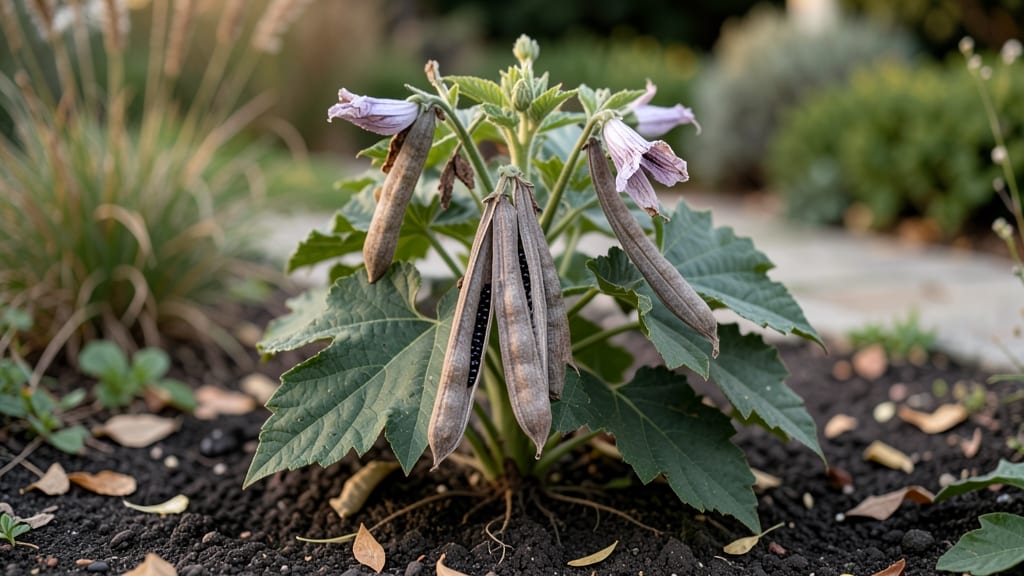
Harvesting moonflower datura seed pods at the right moment means next year’s garden will glow under moonlight again. ✨ The moment those spiky pods turn brown and split open—usually late summer to early fall—is your cue to collect seeds before they scatter.
Just be careful: every part of this plant is toxic, so wear gloves and keep kids/pets away. You’ll need paper bags for drying, a sharp pair of scissors, and a dry, dark place to store seeds.
Cut pods when they’re fully mature but before they crack open—this ensures maximum seed viability. Once collected, let them dry completely in the bags for 2-3 weeks before storing.
Storing seeds in an airtight container keeps them viable for 2-3 years, ready to plant when the next moonlit season arrives. The process is simple but requires patience—those velvety blue blooms are worth the wait.
Common mistakes include harvesting too early (seeds won’t germinate) or storing them in damp conditions (mold ruins viability). If you’re growing for ornamental purposes, this method guarantees a fresh supply of moonflowers year after year.
📚 In This Guide
- What you need
- Instructions
- Tips and common mistakes
- Wrapping up and next steps
What you need
- ● Mature moonflower datura seed pods – Harvest when they turn brown and papery (usually late summer/fall). Aim for 5–10 pods per plant for best results.
- ● Brown paper bags or breathable fabric sacks – 2–3 bags, large enough to hold pods without crushing (avoid plastic—it traps moisture!).
- ● Sharp scissors or pruning shears – For cleanly snipping pods from the stem. Sterilize with rubbing alcohol to prevent disease spread.
- ● Drying tray or wire mesh screen – A flat surface (like a baking sheet) to lay pods out for drying. 12"x12" or larger works well.
- ● Pencil or label tags – To mark bags with the harvest date and plant variety (if applicable).
- ○ Air-tight glass jars or seed envelopes – For long-term storage. 2–4 jars/envelopes (quart-sized or smaller) with desiccant packets (optional but recommended).
- ● Desiccant packets – Place 1–2 in storage jars to absorb excess moisture and extend shelf life.
- ● Fine-mesh strainer – For gently separating seeds from dried pod debris after harvesting.
- ● Humidity monitor – Ensures your storage area stays below 40% humidity (ideal for seed viability).
- ● Notebook – To log drying conditions (temp, humidity) or germination notes for future reference.
Step-by-Step instructions for harvesting and storing moonflower datura seed pods
Here’s how to preserve these striking seed pods for next year’s magical blooms—no special tools required.
🌿 Step 1: Identify and Harvest Mature Seed Pods
Moonflower datura pods turn from green to a papery brown when ready—wait until they’re fully dry and slightly wrinkled before harvesting. I always check in late summer or early fall, when the plants have finished blooming for the season. Gently twist the pods from the stem; they should detach easily once mature. Avoid cutting stems, as this can damage the plant.
Harvest on a dry day to prevent moisture from sticking to the pods. Place them in a single layer on a clean, dry surface to air-dry. If rain is forecast, bring them indoors immediately. The pods contain thousands of tiny seeds, so handle them carefully—they’re potent and should never be ingested.
🌱 Step 2: Dry the Pods Thoroughly
Spread the pods in a well-ventilated area, like a sunny windowsill or a mesh drying rack. Avoid direct sunlight, which can cause them to overheat or crack. I like to prop them upright in a jar or small container to keep them from touching each other. This prevents mold and ensures even drying.
Drying takes about 2-4 weeks, depending on humidity. You’ll know they’re ready when the pods feel light, brittle, and rattle when shaken. If any pods develop mold or soft spots, discard them immediately—this can ruin an entire batch. Once fully dry, the pods will open slightly on their own, revealing the seeds inside.
⏰ Step 3: Extract and Store the Seeds
Once the pods are completely dry, gently crush them over a clean sheet of paper or a shallow tray. The seeds will spill out easily, but be cautious—they’re extremely lightweight and can scatter with even a light breeze. I use a small wooden spoon to tap the pods gently, avoiding any sudden movements.
Store the seeds in a small, airtight container like a glass jar or envelope. Label it with the date and variety—moonflower seeds remain viable for 2-3 years if kept in a cool, dry place. Keep them away from direct sunlight or heat sources, which can degrade their potency over time.
🪴 Step 4: Prepare for Next Year’s Planting
In early spring, sow the seeds directly in well-draining soil, about ¼ inch deep. Moonflower datura thrives in full sun and tolerates poor soil, but it’s sensitive to overwatering. I plant mine in 6-inch pots first to monitor germination, which can take 10-14 days in warm conditions.
Once seedlings emerge, thin them to the strongest 2-3 plants per pot to prevent overcrowding. Transplant outdoors after the last frost, spacing them 3-4 feet apart for optimal growth. The more carefully you store the seeds, the more vibrant next year’s moonlit blooms will be.
Tips & tricks for perfect moonflower datura seed pod preservation
Preserving moonflower datura seed pods successfully comes down to timing, patience, and careful handling—here’s how to avoid the most common pitfalls.
Harvesting Precision: In Step 1, the papery brown color is your key indicator, but don’t wait until the pods split open naturally. If they feel slightly wrinkled when gently squeezed, that’s your cue—they’re ready. I’ve learned the hard way that harvesting too early means immature seeds, while waiting too long risks them bursting open before you’re ready. A small pair of gardening gloves helps protect your hands from the pods' fine hairs, which can irritate skin.
Drying Strategy: The 2-4 week drying window in Step 2 can be tricky, especially in humid climates. To speed things up slightly, place a small fan nearby to improve airflow without creating drafts that could scatter seeds. I’ve found that propping pods upright in small jars not only prevents mold but also makes it easier to check their readiness by giving them a gentle shake—fully dry pods will rattle like tiny maracas.
Seed Extraction: When it’s time to extract seeds in Step 3, work over a dark-colored tray or sheet of paper. The contrast makes it much easier to spot the tiny black seeds against the pod fragments. A wooden spoon is ideal, but if you don’t have one, a clean chopstick works just as well. I’ve had better luck with this method than trying to shake seeds out, which often leads to loss.
Long-Term Storage: For the storage step, consider adding a small packet of silica gel to your airtight container if you’re storing seeds for more than a year. This extra precaution helps maintain viability, especially in humid environments. Always double-check your container’s seal—even a tiny gap can let moisture in and shorten seed life.
Pro Tips for Moonflower Datura Seed Pods
- Preserving moonflower datura seed pods successfully comes down to timing, patience, and careful handling—here’s how to avoid the most common pitfalls.
- Harvesting Precision: In Step 1, the papery brown color is your key indicator, but don’t wait until the pods split open naturally.
- Drying Strategy: The 2-4 week drying window in Step 2 can be tricky, especially in humid climates.
Frequently asked questions
When is the best time to harvest moonflower datura seed pods?
Harvest moonflower datura seed pods when they turn tan or brown and feel dry to the touch—usually late summer to early fall (after the flowers fade). Avoid harvesting too early (green pods) or too late (they may split open and scatter seeds prematurely). Pro tip: Pick them on a dry day to prevent mold.
How long do moonflower datura seed pods stay viable for storage?
Properly dried and stored seeds can stay viable for 2–3 years in cool, dark conditions. Store them in a paper envelope or airtight container with silica gel to prevent moisture. Warning: Datura seeds are toxic—keep them away from kids and pets!
Can I save seeds from store-bought moonflower datura plants?
Yes, but check the label first—some hybrid or commercially grown plants may have sterile seeds or lower germination rates. For best results, save seeds from homegrown, open-pollinated plants to ensure true-to-type blooms next season.
Why aren’t my moonflower datura seeds germinating?
Common issues include underripe seeds (harvest too early), moisture damage (store in a damp environment), or temperature stress (needs warmth to sprout). Try stratifying seeds (mix with damp sand, refrigerate 4–6 weeks) or use a seedling heat mat (70–75°F). Patience is key—datura can take 2–4 weeks to sprout!
What’s a good alternative if moonflower datura seed pods won’t dry properly?
If humidity ruins your pods, try drying them indoors with a fan on low or a dehydrator (100°F for 2–3 hours). For extra protection, place pods in a mesh bag before storing. Bonus: If pods split open, scoop seeds onto paper towels to dry—don’t toss them!
Wrapping up and next steps
Drying and storing moonflower datura seed pods is a rewarding way to preserve nature’s beauty for next season—while ensuring your garden stays vibrant under the moonlight! 🌙 With the right tools and patience, you can easily collect, dry, and store these pods to grow stunning blooms year after year.
Whether you're a seasoned gardener or just starting out, this process is simpler than it seems.
Now that you’re armed with the know-how, why not take the next step? Try experimenting with different drying methods or even sharing your harvest with fellow plant enthusiasts. Happy gardening—your future moonlit garden will thank you! 🌱✨