
Lawn
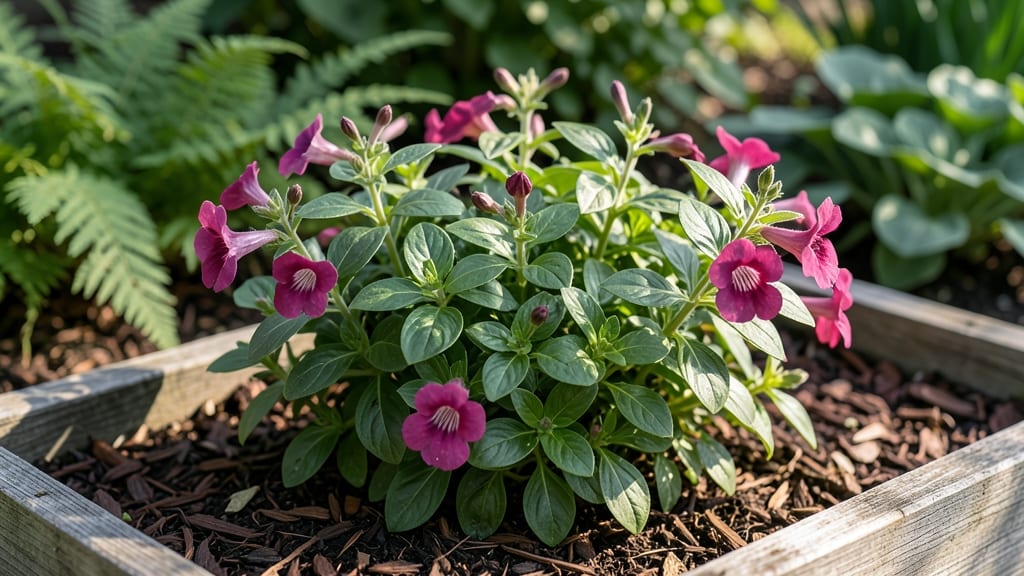
Growing American Seed Impatiens transforms shady spots into vibrant, nonstop blooms. 🌿 These shade-loving beauties are my go-to for hanging baskets and containers that burst with color from spring until frost—no fuss, just flowers. The secret lies in their love of moisture and partial shade.
You’ll need well-draining potting mix, consistent watering, and a spot with dappled sunlight or morning shade. Unlike sun-loving plants, these thrive where others struggle, making them perfect for patios, porches, or under trees. By midseason, you’ll have lush foliage and clusters of blooms in pink, purple, or white.
The plants stay compact, so you can pack them closely—just 6-8 inches apart—and watch them fill every inch of your containers. They’re tough once established but need gentle care. Watch for aphids or powdery mildew, and deadhead spent blooms to encourage more flowers.
With the right setup, these will be the easiest, most rewarding plants in your garden.
📚 In This Guide
- What you need
- Instructions
- Tips and common mistakes
- Wrapping up and next steps
What you need
- ● American Seed Impatiens seeds – Purchase a packet (typically 100–500 seeds) from a trusted supplier like American Seed or local nurseries.
- ● Seed-starting trays or biodegradable pots – 50–100 cell trays (2–3 inches deep) or 4-inch pots for transplanting.
- ● Seed-starting mix – Lightweight, sterile potting soil (avoid garden soil—it’s too dense!).
- ● Containers for mature plants – 6–12 inch pots or window boxes with drainage holes (hanging baskets work great too!).
- ● Slow-release fertilizer – A balanced 10-10-10 or 20-20-20 blend (follow package rates for shade-loving plants).
- ● Watering can or spray bottle – A gentle misting tool to keep seeds moist.
- ● Plant labels & markers – To track varieties (especially if mixing colors!).
- ○ Heat mat (optional) – Speeds up germination (70–75°F is ideal).
- ● Grow lights or sunny windowsill – For seedlings before transplanting outdoors.
- ○ Mulch (optional) – Shredded bark or coconut coir to retain moisture in containers.
- ● Pruning shears – For pinching back leggy stems to encourage bushiness.
How to grow American Seed impatiens in containers
Here's the foolproof method I use to get vibrant, shade-loving blooms all summer—no black thumb required.
🌱 Step 1: Start Seeds Indoors 8-10 Weeks Before Last Frost
Fill 2-inch deep seedling trays with moistened seed-starting mix—never garden soil, which impedes germination. Press the mix down lightly so it's firm but not compacted. Plant seeds ¼ inch deep since impatiens are tiny and need minimal covering. I like to use a toothpick to make small holes, then drop one seed per hole and cover with a sprinkle of mix.
Place the tray in a warm spot (70-75°F) under grow lights (12-14 hours daily). A humidity dome or plastic wrap keeps moisture consistent until germination, which takes 10-14 days. Don't water from above—mist lightly instead to avoid dislodging seeds. You'll know it's working when you see tiny green sprouts poking through the soil.
💧 Step 2: Transplant Seedlings When They Have 2-3 True Leaves
Once seedlings show their second set of leaves (the first pair are cotyledons), it's time to move them to individual 3-inch pots. Gently squeeze the seedling tray to release each plant, then place them in their own pots filled with fresh potting mix. Press the soil around the base to eliminate air pockets—this prevents wilting later.
Keep them in bright, indirect light for 1-2 weeks before introducing them to shade. Water when the top inch of soil feels dry, but don't let them sit in soggy mix. Impatiens are sensitive to overwatering, so I always check the soil before watering—if it's still damp, wait another day. You'll see stronger stems and deeper green leaves as they adjust.
☀️ Step 3: Acclimate to Shade and Fertilize for Blooms
Two weeks before your last frost, move the impatiens outside to a shady spot (they tolerate 2-4 hours of morning sun). Gradually increase shade exposure over 5-7 days to harden them off. I start with 2 hours of dappled shade, then move them to full shade by day 5. This prevents leaf scorch and ensures a smooth transition.
Once planted in their final 6-inch containers, fertilize with a balanced liquid fertilizer (10-10-10) every 2 weeks during the growing season. Deadhead spent blooms regularly—this encourages nonstop flowering. You'll notice new buds forming within 3-5 days of pruning, and the plants will fill out beautifully.
🪴 Step 4: Maintain Moisture and Prevent Common Issues
Impatiens love moisture but hate soggy roots. Water deeply 2-3 times per week, ensuring the soil stays evenly damp (not wet). I use a moisture meter to check—if it reads 40% or less, it's time to water. Mulch the surface with 1 inch of shredded bark to retain moisture and suppress weeds. This keeps the roots cool and the soil consistently hydrated.
Watch for aphids or powdery mildew—common pests in humid conditions. If you spot sticky residue on leaves, spray with neem oil or rinse off pests with water. For mildew, improve airflow by spacing plants 6 inches apart and avoid overhead watering. A healthy impatiens plant will have glossy leaves and continuous blooms—if you see yellowing or wilting, it's usually a sign of overwatering or poor drainage.
Tips & tricks for perfect American Seed impatiens in containers
Here's what nobody tells you about growing impatiens that'll make your containers burst with color.
Lighting Secret: Those 12-14 hours of grow light in Step 1 are non-negotiable for strong seedlings. I use a simple LED grow light on a timer—it's more consistent than natural light, especially if you're starting seeds in winter. Place the tray 2-3 inches below the bulb for optimal growth without overheating.
Transplanting Pro Tip: When moving seedlings to their 3-inch pots in Step 2, water them thoroughly the day before transplanting. This helps reduce shock and makes the roots more flexible for the move. After repotting, give them a light misting to settle the soil around the roots without compacting it.
Acclimation Strategy: The 5-7 day hardening off period in Step 3 is where most beginners rush and get burned—literally. Start with just 1 hour of shade per day and gradually increase. I've seen impatiens wilt dramatically after being moved to full shade too quickly, so go slow. Watch the leaves for any signs of stress like curling or yellowing.
Fertilizer Timing: That 10-10-10 fertilizer every 2 weeks in Step 3 is perfect, but here's the catch: always dilute it to half-strength for the first two applications after transplanting. This gives your impatiens time to adjust to their new containers before hitting them with full nutrients. The 3-5 days for new buds after deadheading is amazing—it's like watching magic happen!
Pro Tips for American Seed Impatiens
- Here's what nobody tells you about growing impatiens that'll make your containers burst with color.
- Lighting Secret: Those 12-14 hours of grow light in Step 1 are non-negotiable for strong seedlings.
- Transplanting Pro Tip: When moving seedlings to their 3-inch pots in Step 2, water them thoroughly the day before transplanting.
Frequently asked questions
Got questions about growing American Seed Impatiens? You’re not alone! Here are answers to the most common queries—from planting tips to troubleshooting—so you can enjoy vibrant blooms all season long.
When is the best time to plant American Seed Impatiens?
Plant them after the last frost when soil temps stay above 50°F (10°C). For containers, start seeds indoors 6–8 weeks before your last frost date or buy transplants from nurseries in spring. These shade-loving beauties thrive in warm, humid conditions—just avoid chilly nights!
How long does it take for American Seed Impatiens to flower?
With proper care, you’ll see blooms 6–8 weeks after planting! For faster results, choose transplants (they flower in 4–6 weeks). Keep soil consistently moist and fertilize lightly every 2–3 weeks to encourage continuous blooming. Patience pays off with nonstop color!
Can American Seed Impatiens survive winter?
Nope—these tender annuals won’t survive frost. Treat them as seasonal stars! In mild climates (Zones 9–11), they may linger until cold snaps arrive. For repeat blooms next year, save seeds or replant fresh in spring. Pro tip: Deadhead spent blooms to extend their summer show!
Why are my Impatiens leaves turning yellow or dropping?
Yellowing leaves often signal overwatering or poor drainage. Ensure pots have drainage holes and water only when the top inch of soil feels dry. Check for pests like aphids or spider mites (wipe leaves with soapy water if needed). Too much shade or cold drafts can also stress plants—rotate containers for even light exposure.
What’s a good alternative if Impatiens don’t thrive in my garden?
Try these shade-tolerant, low-maintenance picks:
- Begonias – Lush foliage + vibrant blooms (great for containers!).
- Fuchsias – Trailing or bushy varieties love partial shade.
- Heucheras – Stunning foliage with minimal care.
- Caladiums – Dramatic leaves for deep shade spots.
Wrapping up and next steps
American Seed Impatiens are the perfect choice for adding vibrant color to shady spots in your garden—easy to grow, fast to bloom, and packed with charm! 🌸 With the right soil, light, and care, you’ll enjoy months of cheerful flowers with minimal effort.
Whether you’re a beginner or a seasoned gardener, these shade-loving stars are a must-have for containers, borders, or hanging baskets.
Ready to transform your space? Grab your seeds, pick a sunny (or shady) spot, and let the blooms begin! Start small, experiment, and watch your garden come alive. 🌱 Happy planting!