
Propagation
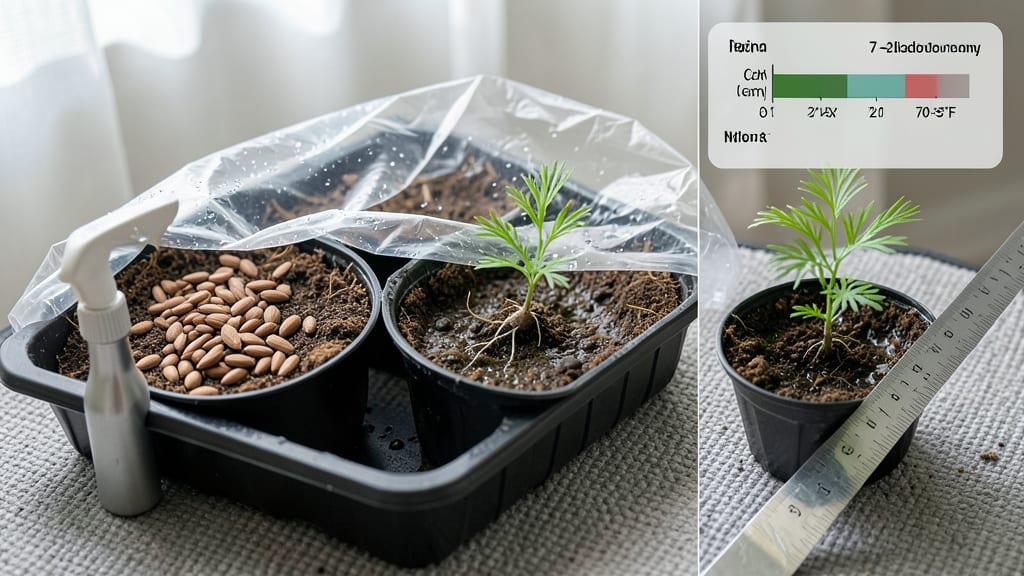
Bald cypress seed germination requires a quick viability check before planting—or you’ll waste months waiting for seeds that might never sprout. 🌱 I learned the hard way when half my batch rotted in damp soil because they were already compromised. The twist? A simple float test reveals which seeds are worth planting in just minutes. This method works for any bald cypress seed you’ve collected or bought. You’ll need a bowl of water, patience, and a sunny spot for your future seedlings. Healthy seeds sink immediately while hollow ones float—toss those. What’s left? Seeds ready to germinate in 4-12 weeks, depending on temperature and moisture. Once you’ve separated the winners, sow them in a well-draining mix of peat moss and perlite (or sand if you’re in a warm climate). Keep the soil consistently moist but never soggy—cypress seeds rot faster than they sprout. A clear plastic bag over the pot creates a humid microclimate without overheating the soil. By spring, you’ll have sturdy seedlings ready for transplanting. The key is consistency: check moisture daily, avoid direct sunlight until sprouts appear, and don’t rush the process. Patience here means stronger trees later—trust me, it’s worth the wait.
📚 In This Guide
- What you need
- Instructions
- Tips and common mistakes
- Wrapping up and next steps
What you need
- ● Bald cypress seeds: Fresh or properly stored (viability drops after 1–2 years). Aim for 10–20 seeds for testing germination rates.
- ● Germination medium: Option 1: Peat moss or coconut coir (sterilized, 2–3 cups).
- ● Option 2: Vermiculite or perlite (fine-grade, 2–3 cups).
- ● Option 3: Paper towels or dampened seedling trays (for quick viability checks).
- ● Containers: Seedling trays (with drainage holes, 10–12" x 20") OR
- ● Small plastic pots (3–4" diameter, 10–15 units).
- ● Water: Room-temperature, dechlorinated water (use rainwater or let tap water sit for 24 hours).
- ● Spray bottle: (8–16 oz) for gentle moisture control.
- ● Plastic wrap or humidity dome: (clear, to retain moisture).
- ○ Heat mat (optional but helpful): Germination mat (set to 75–85°F) for faster sprouting.
- ● pH meter or test kit: (to check medium pH, ideal range: 5.0–6.5).
- ● Pruning shears or scissors: (for seed coat nicking, if needed).
- ● Ruler or measuring tape: (to monitor seed depth, ¼–½ inch).
- ● Grow lights or sunny windowsill: (bright, indirect light post-germination).
- ● Label markers: (to track seed batches and dates).
- ○ Fungicide (optional): Mild solution (e.g., hydrogen peroxide 3%) to prevent mold.
How to test bald cypress seed viability before germination
This simple twist test reveals which seeds are worth planting—and which to discard.
🌱 Step 1: Collect and Prepare the Seeds
Harvest fresh bald cypress cones when they’ve opened naturally in late fall or early winter. Remove the seeds from the cones by gently shaking them into a bowl. You’ll want about 20-30 seeds for a reliable test—enough to get a clear picture of viability without overcrowding.
Spread the seeds on a clean, dry surface and let them air-dry for 24 hours if they feel damp. This prevents mold during the test. Bald cypress seeds are small and flat, so handle them carefully—squeeze too hard and you’ll crush the embryo inside.
🪴 Step 2: Perform the Twist Test for Viability
Take one seed between your thumb and index finger, gripping it firmly but gently. Slowly twist it in opposite directions. A viable seed will resist the twist and feel slightly springy—this indicates a firm, intact embryo inside. Non-viable seeds will crumble or twist apart easily, revealing a hollow center.
Set aside the viable seeds in a small container. I like to use a paper envelope labeled with the date and location where the cones were collected. This helps track performance later. Discard the non-viable seeds—they won’t germinate, and planting them wastes time and resources.
💧 Step 3: Stratify Viable Seeds for Germination
Bald cypress seeds require a cold stratification period to break dormancy. Place the viable seeds in a sealed plastic bag with a slightly damp paper towel. The towel should feel like a wrung-out sponge—not dripping, just moist. Seal the bag and refrigerate it for 60-90 days at 34-40°F.
Check the bag every 2 weeks to ensure the towel remains damp. If it dries out, mist it lightly with water and reseal. After stratification, remove the seeds and let them air-dry for another 24 hours before sowing. This step mimics winter’s natural cold period, signaling the seed it’s time to grow.
☀️ Step 4: Sow Stratified Seeds in Germination Medium
Fill small pots or seed trays with a mix of 50% peat moss and 50% perlite to ensure good drainage. Bald cypress seeds dislike soggy conditions, so avoid heavy garden soil. Plant the seeds ¼ inch deep, spacing them 1 inch apart to prevent overcrowding.
Keep the soil consistently moist but never waterlogged. A spray bottle works best to avoid disturbing the seeds. Place the trays in a warm, bright location with indirect light—70-75°F is ideal. Germination typically takes 2-4 weeks, though some seeds may take longer.
⏰ Step 5: Monitor and Transplant Germinated Seedlings
Once seedlings emerge, provide bright, indirect light for the first 2 weeks to prevent leggy growth. You’ll know they’re ready for transplant when they develop their first true leaves—these look like tiny, scaled-down versions of mature cypress needles.
Hardening off begins after 4 weeks of growth. Gradually introduce them to outdoor conditions over 7-10 days by placing them in a shaded, sheltered spot for increasing lengths of time each day. Transplant outdoors after the last frost, choosing a location with full sun to partial shade and moist, well-drained soil.
Tips & tricks for perfect bald cypress seed germination
Here's what nobody tells you about getting the most out of your bald cypress seeds.
Handling Matters: When collecting seeds in Step 1, work on a smooth, non-porous surface like glass or ceramic to prevent seeds from slipping through cracks. I've ruined several batches when they fell between table gaps—trust me, it's frustrating! Use a soft paintbrush to gently sweep seeds into your bowl rather than shaking them directly, which can damage fragile embryos. The 24-hour drying period is non-negotiable for preventing mold, but if your climate is particularly humid, extend this to 48 hours to be safe.
Twist Test Precision: In Step 2, the key to accurate testing lies in your grip pressure. Apply just enough force to feel resistance—think of it like testing a ripe avocado. Too little pressure and you won't detect viability; too much and you'll crush viable seeds. I've found using a pair of tweezers to hold seeds while twisting provides more control, especially for delicate specimens. The springiness you feel indicates the seed's internal moisture balance, which is crucial for successful germination.
Stratification Strategy: For Step 3's cold treatment, I recommend using a refrigerator with consistent temperature rather than a freezer. The 34-40°F range is critical—any colder risks damaging the seeds, while warmer temperatures won't break dormancy effectively. Place your bag on a middle shelf where temperature fluctuations are minimal. If you're short on time, you can extend the stratification to 120 days for maximum germination rates, though 60-90 days works well for most gardeners.
Pro Tips for Bald Cypress Seed Germination
- Here's what nobody tells you about getting the most out of your bald cypress seeds.
- Handling Matters: When collecting seeds in Step 1, work on a smooth, non-porous surface like glass or ceramic to prevent seeds from slipping through cracks.
- Twist Test Precision: In Step 2, the key to accurate testing lies in your grip pressure.
Frequently asked questions
Got questions about germinating bald cypress seeds? You’re not alone! Here are answers to the most common queries—so you can skip the guesswork and get straight to growing.
How long does it take for bald cypress seeds to germinate?
Patience is key! Bald cypress seeds typically sprout in 4–12 weeks, depending on temperature, moisture, and seed viability. Keep them consistently moist (not soggy) and in a warm (70–85°F) environment. If nothing emerges after 3 months, the seeds may need stratification or could be non-viable.
Do bald cypress seeds need stratification to germinate?
Not always—but it can help! While many bald cypress seeds germinate without cold treatment, a 30–60 day cold stratification (34–40°F) can break dormancy for stubborn seeds. Try soaking them in water for 24–48 hours first to soften the hard outer shell before stratification.
Can I germinate bald cypress seeds indoors before transplanting?
Start seeds indoors in seed trays or small pots with well-draining soil. Use a heat mat to maintain warmth, and keep the soil moist. Once seedlings reach 4–6 inches tall (usually 2–3 months later), they’re ready for outdoor transplanting—just harden them off first!
Why aren’t my bald cypress seeds sprouting? Troubleshooting tips.
If your seeds refuse to germinate, check these fixes:
- Hard seed coat: Nick the seed with a knife or sandpaper to scratch the shell.
- Dry soil: Bald cypress seeds need consistent moisture—don’t let the soil dry out.
- Poor temperature: They thrive in warmth (70–85°F); avoid cold drafts.
- Old seeds: Viability drops after 1–2 years—source fresh seeds if possible.
What’s the best time of year to plant bald cypress seedlings outdoors?
Plant seedlings in early spring or late fall when soil temps are mild (60–70°F). Avoid extreme heat or frost, which can stress young plants. Choose a site with full sun to partial shade and moist, acidic soil—just like their swampy native habitats!
Wrapping up and next steps
Growing bald cypress from seed is a rewarding journey—one that starts with a simple but critical viability check. By following the twist-and-soak test, you’ve ensured your seeds are ready to sprout, setting the stage for a thriving tree.
Now that you’re equipped with the right knowledge, it’s time to plant with confidence and watch nature work its magic! 🌱
Ready to take the next step? Gather your supplies, prepare your growing medium, and give those seeds the care they deserve. Happy planting—your future bald cypress awaits! 🌳✨