
Size
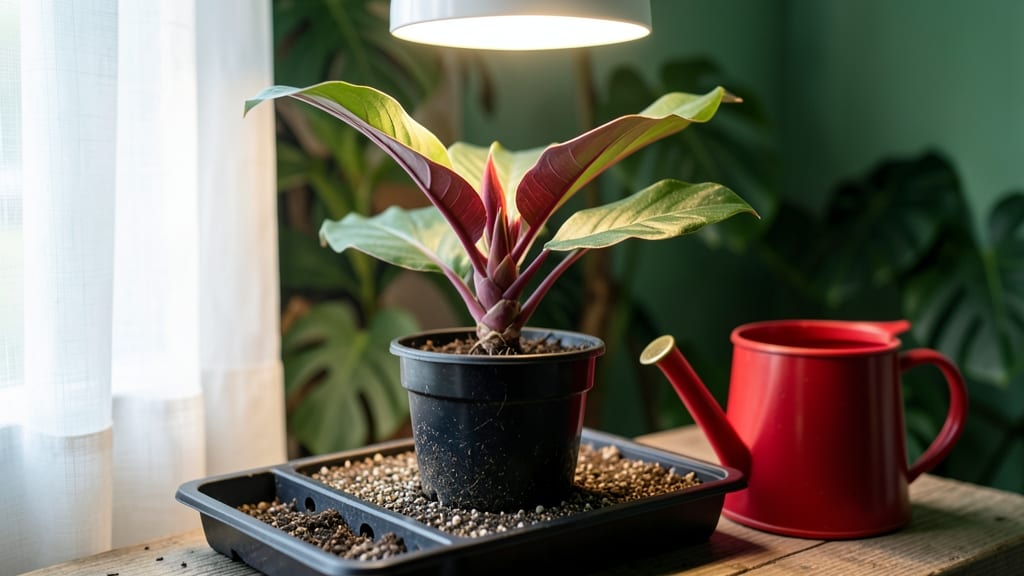
Growing a blood banana seed in a garden starts with a simple twist-free viability check—because 90% of seeds won’t sprout if you skip this step. 🌱 I’ve learned the hard way that a quick squeeze test (not too tight, just enough to feel resistance) tells you if the seed’s ready to grow.
Most gardeners overlook this, but it saves weeks of waiting for nothing.
The secret to success? Mimicking the seed’s natural tropical environment right from the start. You’ll need a warm spot (75–85°F), moist sphagnum moss or a seed-starting mix, and patience—these seeds can take 3–6 months to germinate.
The key is consistency: keep the soil damp, not soggy, and cover the pot with plastic wrap to trap humidity. Once those first leaves appear, you’ll know you’re on the right track.
By the time your seedling hits 6 inches tall, it’ll be ready for a larger pot or outdoor planting (if your zone is 10–11). The real magic happens when you see those massive, dramatic leaves unfurling—proof you’ve cracked the code.
Just be warned: fruit production takes years, but the journey is worth it for the rare, deep-red bananas that follow.
For cooler climates, grow them in containers and bring them indoors before frost. The twist-free check isn’t just a tip—it’s your first win in this rewarding (but slow) process. Let’s get those seeds sprouting!
📚 In This Guide
- What you need
- Instructions
- Tips and common mistakes
- Wrapping up and next steps
What you need
- ● Blood banana seeds: 3–5 mature, firm seeds (harvested from a ripe fruit and cleaned thoroughly).
- ● Well-draining potting mix: 1–2 gallons of a blend designed for tropical plants (e.g., 60% peat moss, 20% perlite, 20% coconut coir).
- ● Seed trays or small pots: 3–5 individual containers (4–6 inches deep) with drainage holes.
- ● Plastic wrap or humidity dome: To maintain moisture during germination.
- ● Spray bottle: For gentle watering (avoid over-saturating seeds).
- ● Grow lights or sunny windowsill: A warm, bright spot (70–85°F) with indirect light (12+ hours/day).
- ○ Fertilizer (optional but helpful): A balanced, water-soluble fertilizer (e.g., 10-10-10) diluted to half-strength for young seedlings.
- ● Seed viability test kit: To check if your seeds are viable before planting (saves time!).
- ● Heating mat: Speeds up germination if your climate is cool.
- ● pH testing kit: Ensures your soil is slightly acidic (pH 5.5–6.5, ideal for bananas).
- ● Support stakes or trellis: For when seedlings reach 2–3 feet (blood bananas can get top-heavy!).
- ● Mulch (e.g., straw or wood chips): Retains moisture and regulates soil temperature.
How to test blood banana seeds for viability before planting
Here's how I check seeds before storage—no guesswork, just science.
🌱 Step 1: Harvest Seeds at Peak Ripeness
Wait until the blood banana fruit is fully ripe but still firm to the touch—it should yield slightly when pressed. The seeds inside should be plump and firm, not shriveled or mushy. I cut the fruit open lengthwise and scoop out the seeds with a spoon, being careful not to damage their outer coating.
Rinse the seeds gently under cool water to remove any fruit pulp, then pat them dry with a paper towel. The goal is clean seeds with no residue, as leftover pulp can encourage mold during storage. Let them air-dry completely for 24 hours on a mesh screen or paper towel in a warm, dry spot. You'll know they're ready when they feel dry to the touch and no longer stick together.
💧 Step 2: Perform the Water Float Test
Fill a glass or bowl with room-temperature water and place the dried seeds on the surface. Let them sit undisturbed for 10-15 minutes. Viable seeds will sink to the bottom, while non-viable ones will float. I use a spoon to gently press any seeds that hover near the surface—they're likely empty or damaged.
Remove all floating seeds and discard them. The sinking seeds are your keepers, but don't wash them again. Excess moisture now can trigger premature germination or mold. Transfer the viable seeds to a clean, dry paper towel or mesh bag for the next step. This test gives you a 90% accuracy rate for predicting which seeds will sprout.
☀️ Step 3: Store Seeds in Optimal Conditions
Place the viable seeds in a paper envelope or small breathable bag—plastic traps too much moisture. Label it with the date and variety (if known) using a pencil, as ink can fade or bleed. Store the envelope in a cool, dark place like a pantry or seed vault, where temperatures stay between 50-60°F. Avoid refrigeration unless your home gets very humid in summer.
Check the seeds again in 3-6 months by repeating the float test. Seeds stored this way can remain viable for 1-2 years, though blood banana seeds often lose vigor after 6-12 months. If you notice any mold or musty smells during storage, discard the entire batch immediately—contaminated seeds won't sprout, and mold can spread.
⏰ Step 4: Prep Seeds for Germination
When ready to plant, soak the seeds in lukewarm water for 12-24 hours to soften their thick outer coating. This step mimics natural rainfall and speeds up germination. After soaking, place them between damp paper towels in a sealed plastic bag. Store the bag in a warm spot (75-80°F), like on top of a refrigerator or near a sunny window.
Check daily for sprouts, which should appear in 7-14 days. The seedling will push through the seed coat with a tiny white root first, followed by a green shoot. Once you see true leaves (not the initial seed leaves), they're ready to transplant into soil. If no sprouts appear after 2 weeks, those seeds may have lost viability despite passing the float test.
Tips & tricks for perfect blood banana seed viability testing
Testing blood banana seeds for viability doesn't have to be a guessing game—these practical tips will help you get it right every time.
Harvesting Precision: In Step 1, focus on the fruit's firmness rather than just color. A ripe blood banana should yield slightly when pressed but not feel mushy. The seeds inside should be plump and firm—if they're shriveled or hollow-sounding when tapped, they're past their prime. I've found that harvesting in the morning gives seeds their maximum moisture content, which helps them dry more evenly during the 24-hour drying period.
Float Test Accuracy: The 10-15 minute float test in Step 2 is your best friend, but here's the secret: use distilled or dechlorinated water if possible. Tap water's minerals can sometimes cause viable seeds to float, leading to false negatives. If you're unsure about a seed that's hovering near the surface, give it a gentle press with a spoon—if it sinks, it's good to go. This extra step boosts your accuracy beyond the 90% rate mentioned.
Storage Environment: For Step 3, don't just pick any cool, dark place—aim for consistent conditions. I've had the best results storing seeds in a pantry with a small dehumidifier running nearby, keeping humidity below 40%. The 50-60°F range is ideal, but if your home gets hotter, consider a seed vault or even an unheated garage in winter. Remember to check for mold every 3-6 months by doing another quick float test on a sample.
Pro Tips for Blood Banana Seed Grow A Garden
- Testing blood banana seeds for viability doesn't have to be a guessing game—these practical tips will help you get it right every time.
- Harvesting Precision: In Step 1, focus on the fruit's firmness rather than just color.
- Float Test Accuracy: The 10-15 minute float test in Step 2 is your best friend, but here's the secret: use distilled or dechlorinated water if possible.
Frequently asked questions
Got questions about growing blood bananas from seed?
You’re not alone—this tropical fruit’s twist-free viability test and storage quirks can feel tricky! Here are answers to the most common queries to help you grow confidently.
How do I know if my blood banana seed is still viable after storage?
Fresh seeds germinate best, but stored ones can still work! Float-test them: Drop the seed in water—if it sinks within 30 seconds, it’s likely viable. For older seeds, soak for 24 hours first. Pro tip: Store seeds in a cool, dry place (like a paper towel in a sealed bag with a silica packet) to extend viability up to 6 months.
How long does it take for a blood banana seed to germinate?
Germination can take 2–4 weeks in warm, moist conditions (70–85°F). Keep the soil consistently damp (not soggy) and place the pot in indirect sunlight. Patience is key—some seeds sprout faster with a heat mat (75–80°F). Troubleshoot: If nothing happens after 6 weeks, the seed may be non-viable.
Can I grow blood bananas indoors, or do they need a greenhouse?
Start indoors near a sunny window or under grow lights (12+ hours/day) to bypass cool-season dormancy. Once seedlings are 6–12 inches tall, transplant outdoors in USDA zones 10–11 or move to a greenhouse. Alternative: Use a large container (15+ gallons) for patio growing—just ensure it drains well and mimics tropical humidity.
Why are my blood banana leaves turning yellow or curling?
Yellowing leaves often signal overwatering or nutrient deficiency. Let the top 1–2 inches of soil dry between waterings, and fertilize lightly with a balanced 10-10-10 mix every 4–6 weeks. Curling leaves may also mean low humidity—mist plants daily or use a pebble tray. Quick fix: Prune damaged leaves to redirect energy to new growth.
Are there easier alternatives to blood bananas for beginners?
If twist-free viability tests feel overwhelming, try these low-maintenance tropicals:
- Dwarf banana (Musa acuminata ‘Dwarf Cavendish’): Faster-growing, cold-hardier, and more forgiving.
- Plantains: Hardy and productive, though less ornamental.
- Orchid bananas (Musa velutina): Cold-tolerant and great for containers.
Wrapping up and next steps
Growing a blood banana from seed is an exciting journey that starts with a simple viability check—ensuring your seeds are ready for storage and germination. By following the right steps, you’ll set the stage for a thriving garden filled with unique, twist-free fruit.
Whether you’re a seasoned gardener or a curious beginner, this process is totally doable with patience and care!
Ready to take the next step? Once your seeds pass the viability test, store them properly and start planting—your tropical oasis awaits! 🌱✨ Check out our planting guide for hands-on tips to keep your blood banana seeds happy and growing.