
Lawn
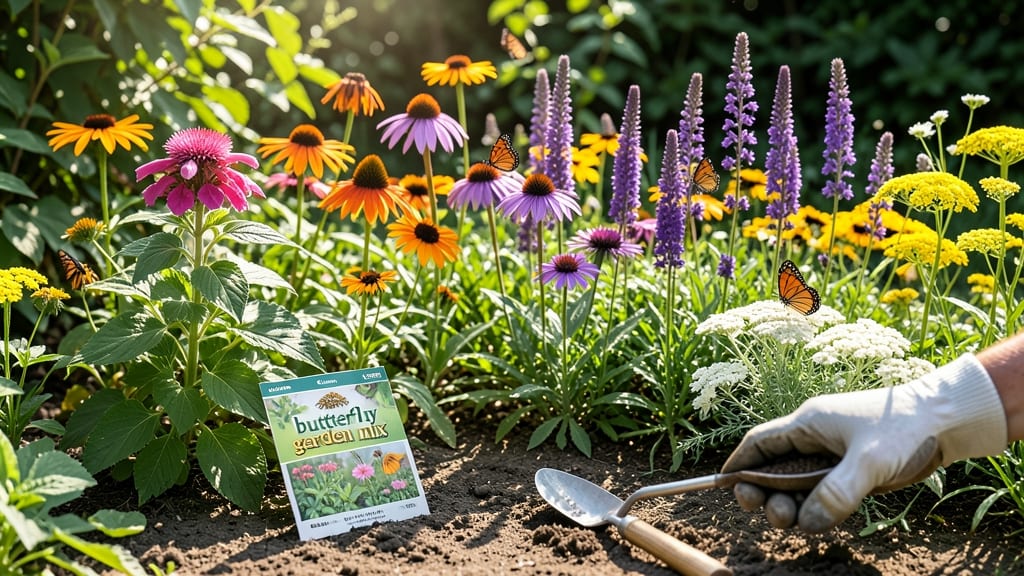
Creating a butterfly garden seed mix transforms your yard into a year-round haven for fluttering visitors. 🌸 I’ve planted these mixes in every season, and the difference is staggering—more butterflies, more blooms, and a garden that stays vibrant even when others fade.
The secret lies in choosing native wildflowers that provide nectar and host plants for caterpillars, ensuring butterflies return again and again.
This isn’t just about pretty flowers—it’s a pollinator-powered ecosystem. A well-balanced mix includes milkweed for monarchs, coneflowers for swallowtails, and goldenrod for late-season feeding.
Layering plants by height and bloom time keeps the garden active from spring to frost, while adding a shallow water source turns it into an irresistible stopover. Even small spaces can thrive with the right selection.
By mid-summer, you’ll watch caterpillars munch on host plants and butterflies sip nectar from hundreds of blooms—all while your garden stays lush and colorful. The best part?
These plants are tough, drought-resistant, and come back stronger each year. No fancy tools or expensive setups required—just sunlight, soil, and a little patience.
Works in every region when you adapt to local natives, from desert-friendly blooms to shade-tolerant varieties. Ready to turn your corner of the world into a butterfly hotspot? Let’s get those seeds in the ground!
📚 In This Guide
- What you need
- Instructions
- Tips and common mistakes
- Wrapping up and next steps
What you need
- ● Butterfly Garden Seed Mix: 1 lb (or enough to cover your desired planting area; check the seed packet for coverage rates). Opt for a native wildflower mix tailored to your climate zone.
- ● Preparation Tools: Garden gloves (1 pair) – for comfort and protection.
- ● Hand trowel or small shovel – for loosening soil.
- ○ Rake (optional but helpful) – to smooth the soil before planting.
- ● Sunlight & Soil: Full sun to partial shade area (6+ hours of sunlight daily for most butterfly-friendly flowers).
- ● Well-draining soil (amend with compost if your soil is heavy or clay-like).
- ● Watering Supplies: Garden hose with a gentle spray nozzle or watering can.
- ● Watering schedule (seeds need consistent moisture until germination).
- ● Soil Amendments: Compost or organic fertilizer (1 bag) – boosts nutrient-rich soil.
- ● Mulch (straw or shredded leaves) – retains moisture and suppresses weeds.
- ● Pollinator Perks: Shallow water source (birdbath or flat dish with pebbles) – butterflies need hydration!
- ● Pesticide-free zone – skip chemical sprays to keep pollinators safe.
- ● Design Touches: Decorative rocks or edging – defines garden borders.
- ○ Plant markers (optional) – label flowers for easy identification.
How to create a thriving butterfly garden with season-long blooms
Here's my battle-tested approach to planting a pollinator paradise that keeps butterflies visiting from spring through frost.
🌱 Step 1: Choose and Prepare Your Planting Site
Select a location with at least 6 hours of sunlight daily—butterflies need warmth to flutter efficiently. I always test spots by observing where native plants already thrive, as they naturally receive ideal conditions. Clear any existing vegetation within a 4-foot radius to eliminate competition, but leave some ground cover like clover to provide nectar for foraging butterflies.
Loosen the top 6 inches of soil with a garden fork, breaking up compacted layers without disturbing deeper roots. Amend with 2-3 inches of compost mixed into the top layer—this improves drainage while retaining moisture. The goal is soil that crumbles easily when squeezed (like a damp sponge) rather than clumping or falling apart completely.
🌿 Step 2: Plant Your Butterfly Garden Seed Mix Strategically
Scatter seeds according to the mix's recommended spacing—typically 6-12 inches apart for annuals and 12-24 inches apart for perennials. I use a seed spreader for even distribution, then lightly cover with ¼ inch of soil (no deeper—most butterfly garden seeds need light to germinate). Press gently to ensure good seed-to-soil contact, but avoid compacting the surface.
Water immediately after planting with a fine mist setting on your hose or watering can until the soil feels uniformly moist 1 inch deep. This prevents seeds from drying out before germination. I mark planting rows with small wooden stakes to track which varieties I've planted—some mixes contain both annuals and perennials that emerge at different times.
☀️ Step 3: Maintain Moisture and Encourage Blooms
Keep the soil consistently moist (but never soggy) for the first 4-6 weeks after planting—this is critical for seedling establishment. Water in the early morning so foliage dries quickly, preventing fungal diseases. You'll know you're doing it right when the soil surface feels cool to touch but doesn't leave puddles when pressed.
Once plants reach 3-4 inches tall, begin applying a balanced organic fertilizer (10-10-10 ratio) every 4-6 weeks during the growing season. This encourages robust flowering—the more blooms, the more butterflies. I always look for plants with flat-topped clusters or tubular flowers, as these attract the widest variety of pollinators.
✂️ Step 4: Deadhead and Extend the Season
Regularly remove spent blooms by pinching off flowers just above the next set of leaves—this redirects the plant's energy into producing more flowers rather than seed heads. I do this every 2-3 weeks throughout the season, always using clean pruners to avoid spreading disease. The key is to keep at least 3-4 flower clusters on each stem to maintain visual appeal for returning butterflies.
To extend your garden's season, I plant a mix of early, mid, and late-season bloomers—this ensures continuous nectar sources. In fall, leave some seed heads standing for overwintering butterflies and birds. The dried stems also provide winter interest while protecting beneficial insects from harsh weather.
🪴 Step 5: Add Support Structures for Host Plants
Many butterfly garden plants benefit from support structures. Install small stakes or cages for taller varieties like milkweed as soon as they reach 6 inches to prevent flopping. I use bamboo stakes tied with soft twine—never wire, as it can damage delicate stems. For climbing plants like passionflower, provide trellises or arbors at planting time so vines have something to grasp immediately.
The most important support structure, though, is water. Add a shallow birdbath or flat stone filled with pebbles and water—this gives butterflies a place to drink without drowning. Keep it filled year-round, even in winter, as butterflies need moisture in all seasons. Place it in partial shade to prevent rapid evaporation and algae growth.
Tips & tricks for perfect butterfly garden planting
Here's what nobody tells you about creating a pollinator paradise that thrives from spring to frost.
Sunlight Strategy: That 6-hour minimum of sunlight is non-negotiable for butterfly activity, but I've found the sweet spot is actually 8+ hours in most climates. Morning sun (6am-12pm) is especially valuable—it warms up the garden quickly, which butterflies prefer for their first flights of the day. If your site gets afternoon shade, prioritize planting sun-loving varieties like butterfly weed or black-eyed Susans in the sunniest spots first.
Soil Prep Secret: When loosening that top 6 inches of soil, focus on breaking up only the compacted layers—you don't want to disturb the deeper root systems of established plants. I use a garden fork to gently pry apart the soil horizontally rather than stabbing vertically. This creates horizontal channels that improve water penetration while preserving existing root structures. Think of it like fluffing a pillow rather than poking holes.
Watering Wisdom: The 1-inch deep moisture guideline is perfect, but timing matters just as much. I've learned that watering in the early morning (before 8am) gives plants all day to dry out, which prevents fungal diseases like powdery mildew. If you must water later, aim for late afternoon (after 4pm) to allow foliage to dry before evening dew sets in. Never water in the evening—this creates the perfect conditions for plant diseases.
Fertilizer Timing: That 4-6 week fertilizer schedule works beautifully, but I've found the first application should happen when plants reach 3-4 inches tall AND you can see new growth starting. This typically coincides with the first true leaves appearing (not just the initial seed leaves). The key is to fertilize just as plants are about to enter their most active growth phase, which gives them the nutrients they need to produce abundant blooms. Think of it like giving your garden a pre-race energy boost.
Pro Tips for Butterfly Garden Seed Mix
- Here's what nobody tells you about creating a pollinator paradise that thrives from spring to frost.
- Sunlight Strategy: That 6-hour minimum of sunlight is non-negotiable for butterfly activity, but I've found the sweet spot is actually 8+ hours in most climates.
- Soil Prep Secret: When loosening that top 6 inches of soil, focus on breaking up only the compacted layers—you don't want to disturb the deeper root systems of established plants.
Frequently asked questions
Got questions about creating your own butterfly garden? Here are some of the most common ones—plus quick, practical answers to get your pollinator paradise thriving!
When is the best time to plant a butterfly garden seed mix?
For most regions, sow seeds in early spring (after the last frost) or late summer (6-8 weeks before the first frost). If you’re in a warm climate, fall planting can also work—just keep soil moist until germination. Check your seed packet for specific timing tips!
How long does it take for butterfly plants to grow and attract butterflies?
Seedlings typically emerge in 7–21 days, depending on the variety. Once established, expect blooms in 6–12 weeks. Butterflies may visit sooner if nearby flowers are already in bloom, but a full garden takes 1–2 seasons to become a buzzing hotspot!
Do I need to fertilize butterfly garden seeds?
Nope! Most butterfly seed mixes thrive in average soil with no extra fertilizer. Over-fertilizing can harm pollinators by encouraging lush foliage over flowers. Instead, focus on well-draining soil and occasional mulch to retain moisture.
Can I mix butterfly seeds with other flowers or herbs?
Pair them with native wildflowers, milkweed (for monarchs), or herbs like dill and fennel. Just avoid invasive species. Pro tip: Cluster plants in groups—butterflies are drawn to bold patches of color!
Why aren’t butterflies visiting my garden yet?
Patience is key! First, ensure your plants are blooming (some mixes take time). Next, check for:
- Water sources (shallow dishes with pebbles).
- Sunlight (6+ hours/day for most varieties).
- Pesticide-free zone (chemicals repel pollinators).
Wrapping up and next steps
Creating a butterfly garden seed mix is one of the most rewarding ways to support pollinators while adding vibrant color to your outdoor space. 🌸 With the right seeds, soil, and a little patience, you’ll transform your yard into a thriving haven for butterflies and bees—season after season!
The key is consistency in care and joy in the process.
Ready to take the next step? Start small with a sunny patch, plant your mix, and watch as your garden becomes a buzzing, fluttering paradise. Your green thumb—and the butterflies—will thank you!