
Lawn
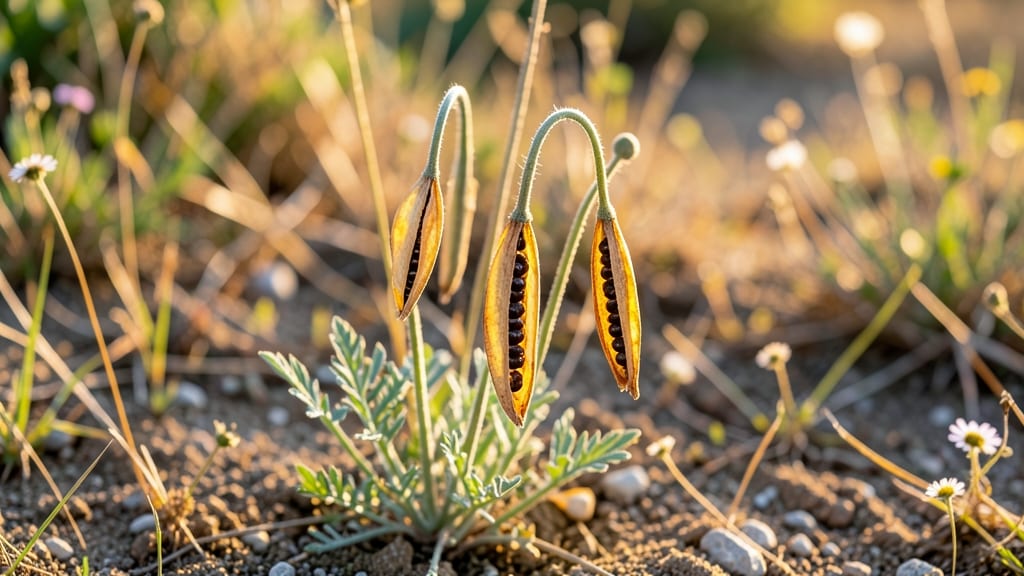
Twisting open California poppy seed pods reveals nature’s secret to next year’s wildflower magic. 🌻 These delicate, papery pods hold the promise of golden blooms that return year after year with almost no effort—if you know when and how to harvest them.
The best time to collect them is when they’ve turned dry and brown but haven’t split open yet, usually in late summer to early fall. A gentle twist releases the seeds, which you can then dry further for storage.
I’ve saved seeds this way for years, and the trick is patience—rushing the drying process weakens germination. Once stored in a cool, dry place, these seeds stay viable for 2-3 years, ready to scatter across your garden or wildflower meadow.
The pods themselves make charming dried decorations too—just leave them in a sunny spot until they’re crispy and golden. This method works for any California poppy variety, whether you’re growing them in containers, rock gardens, or large meadows. Here’s how to do it right the first time.
📚 In This Guide
- What you need
- Instructions
- Tips and common mistakes
- Wrapping up and next steps
What you need
- ● Mature California poppy plants: Ensure they’re fully grown with seed pods that are dry and brown (typically late summer to early fall). Aim for at least 5-10 healthy plants for a good harvest.
- ● Pruning shears or sharp scissors: A pair with clean, sharp blades to avoid crushing the delicate pods.
- ● Brown paper bags or breathable fabric sacks: 2-3 medium-sized bags (12x15 inches) to collect pods without trapping moisture.
- ● Newspaper or cardboard: A flat surface to lay pods out for drying.
- ● Rubber bands or twine: To secure seed pods in bundles for hanging.
- ● Paper towels or parchment paper: For separating pods if they stick together.
- ● Glass jars or airtight containers: For long-term storage (quart-sized jars work well).
- ● Labeling tags and markers: To track the year and variety of seeds.
- ● Desiccant packets: Small silica packets to absorb excess moisture in storage containers.
- ● Magnifying glass: For inspecting pods for pests or damage before drying.
- ● String or twine for hanging: If you prefer to dry pods in bundles instead of flat.
- ● Patience: Seed pods take 2-4 weeks to fully dry—rushing can ruin germination!
- ● Dry, well-ventilated space: A garage, shed, or indoor area with low humidity (avoid basements).
- ● Sunny day for harvesting: Collect pods on a dry morning after dew has evaporated.
- ○ Gloves (optional): If you’re sensitive to plant sap or dust.
Step-by-Step instructions for harvesting and preserving California poppy seed pods
Here’s how to save seeds from your California poppies—simple, satisfying, and ready for next year’s garden.
🌿 Step 1: Identify and Select Mature Seed Pods
Wait until the pods turn from bright green to a dry, papery brown—this means they’re fully mature and ready for harvest. I like to check them in late summer or early fall, just as the blooms fade. Gently twist the pods open with your fingers; they should release seeds easily when dry.
If the pods feel crisp and hollow when tapped, they’re perfect. Avoid green or moist pods—they won’t yield viable seeds. Pick a dry, sunny day for harvesting to prevent humidity from sticking pods together.
🌱 Step 2: Collect and Dry the Pods
Place the harvested pods in a single layer on a tray lined with paper towels. Let them dry indoors for 3-5 days in a warm, well-ventilated spot—no direct sunlight, which can overheat them. You’ll know they’re fully dry when they rattle with seeds inside.
I like to set them near a fan to speed up drying without risking moisture buildup. Avoid plastic bags—they trap dampness and encourage mold. If you’re short on time, spread them on a mesh screen outside on a cloudy day.
✂️ Step 3: Extract Seeds from the Pods
Once dry, gently crush the pods between your palms or a rolling pin to release the seeds. California poppy seeds are tiny and black—think of them like specks of pepper. Sift the mixture through a fine-mesh strainer to separate seeds from chaff.
Don’t worry if a few empty pods slip through; they’ll break apart easily. I store the seeds in a small envelope labeled with the harvest year. For extra freshness, add a silica gel packet to absorb any lingering moisture.
🪴 Step 4: Store Seeds for Next Year’s Planting
Keep the seeds in a cool, dark place—like a sealed jar in your pantry—for up to 2 years. They’ll stay viable longer if stored at 50-60°F and kept dry. Test a few seeds annually to check germination; if they sprout, the rest are still good.
When ready to plant, scatter seeds directly in well-drained soil in early spring. California poppies thrive in full sun and don’t need covering—they self-sow beautifully. Watch for bright orange blooms in just 6-8 weeks!
Tips & tricks for perfect California poppy seed pod preservation
Here's what nobody tells you about harvesting poppy seeds that'll make all the difference.
Pod Selection: The key to great seeds starts with perfect pods. Look for pods that have completely turned brown and feel completely dry when you tap them—they should sound hollow inside. I've learned the hard way that even slightly green pods won't yield viable seeds, so don't be impatient! The pods should also twist open easily with just your fingers, releasing seeds without resistance.
Drying Strategy: While the 3-5 day drying time in Step 2 is perfect, I've found that adding a small fan nearby can cut that time to just 2-3 days without risking moisture buildup. Just make sure the airflow is gentle—you don't want to blow the pods around. For extra insurance against mold, I place a small silica gel packet in the drying tray, especially if your kitchen is humid.
Seed Extraction: When crushing the pods in Step 3, work over a large sheet of white paper or a baking sheet—it makes those tiny black seeds so much easier to spot against the light background. I also recommend wearing gloves for this step; the seeds can be quite fine and might irritate sensitive skin. A fine-mesh strainer works best, but if you don't have one, a clean kitchen towel works in a pinch—just shake it vigorously!
Storage Wisdom: The 50-60°F storage temperature in Step 4 is ideal, but if you don't have a cool pantry, your refrigerator's crisper drawer works perfectly. Just make sure to use an airtight container—even a simple mason jar with a tight lid will do. I've kept seeds viable for up to 3 years using this method, though the first 2 years give you the best germination rates.
Pro Tips for California Poppy Seed Pods
- Here's what nobody tells you about harvesting poppy seeds that'll make all the difference.
- Pod Selection: The key to great seeds starts with perfect pods.
- Drying Strategy: While the 3-5 day drying time in Step 2 is perfect, I've found that adding a small fan nearby can cut that time to just 2-3 days without risking moisture buildup.
Frequently asked questions
Got questions about California poppy seed pods? You’re not alone! Here’s a quick guide to the most common queries—from harvesting to storage and troubleshooting.
When is the best time to harvest California poppy seed pods?
Harvest seed pods when they’re fully dry and brown but before they split open (usually late summer to early fall). Wait too long, and the seeds will scatter! Ideal timing is when pods feel crispy to the touch—like a light knock sends seeds rattling inside. Pro tip: Morning harvests work best since dew can make pods damp.
How do I properly twist and dry the seed pods?
Gently twist the pod from the stem (don’t pull—it can damage the plant). Lay them in a single layer on a breathable surface (like a mesh screen or paper towels) in a cool, dry, dark place for 2–3 weeks. Avoid direct sunlight or heat, which can bake the seeds and reduce viability. A dehydrator on low (95°F) works too!
Can I store California poppy seed pods for next year’s garden?
Yes! Once pods are completely dry and brittle, store them in a paper envelope or breathable cloth bag in a cool, dark spot (like a pantry). Label with the year and variety—seeds stay viable for 2–3 years if kept dry. Avoid airtight containers to prevent mold.
What if my seed pods won’t twist open or stay closed?
If pods resist twisting, they may not be fully dry. Try placing them in a paper bag for a few days to speed up drying. If they’re already dry but still closed, gently tap them on a hard surface—the seeds should rattle out. Pro tip: Some pods need a light freeze (overnight in the fridge) to loosen seeds.
Are there alternatives if I can’t find California poppy seed pods?
No worries! Buy seeds from reputable nurseries or online retailers (look for Eschscholzia californica). Local garden centers often carry them, or try seed swaps with fellow gardeners. Bonus: Some wildflowers (like lupines) self-seed easily too!
Wrapping up and next steps
Growing and preserving California poppy seed pods is a rewarding way to ensure vibrant blooms year after year!
With the right tools and techniques—like drying, twisting, and storing them properly—you’ll unlock a sustainable cycle of beauty in your garden. Now that you’re equipped with the know-how, why not gather those pods this season and start your own collection? Share your progress with fellow gardeners or experiment with creative uses like dried arrangements or natural dyes.
Happy harvesting! 🌸✨