
Lawn
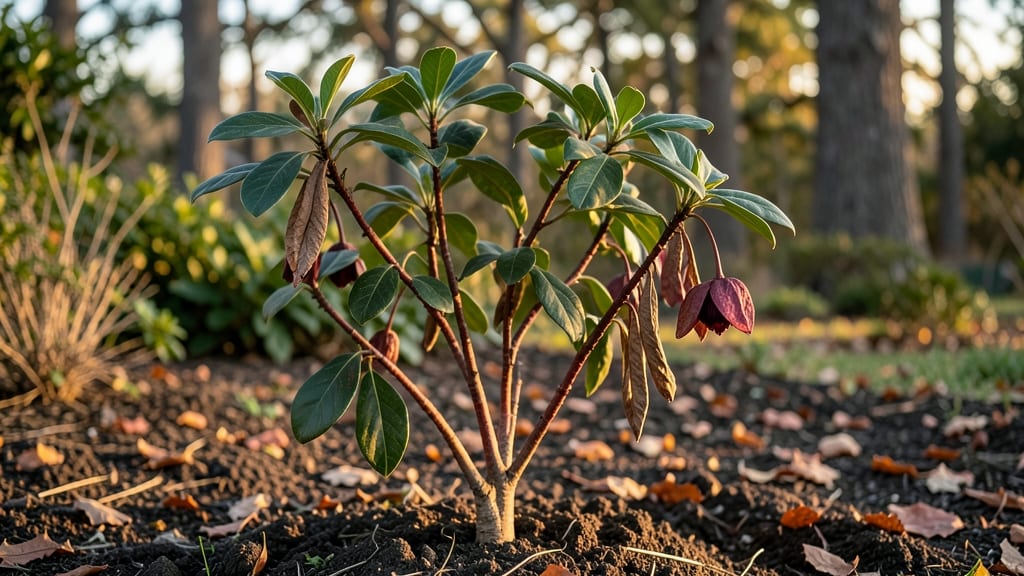
Harvesting Carolina allspice seed pods before they twist open is the key to next spring’s thriving shrubs. 🌿 I’ve learned the hard way—wait too long, and those pods release their seeds prematurely, leaving you with nothing but empty husks by planting time.
The trick is timing: collect them when they’re fully mature but still firm, usually in late fall after the first frost. These native North Carolina shrubs reward patience with fragrant, deep-red blooms and glossy leaves, but their seeds demand careful handling.
You’ll need a sharp knife, a paper bag, and a dry, cool spot to store them until spring. The pods contain multiple seeds, but only the plumpest ones will germinate reliably—discard the shriveled ones immediately.
By early spring, you’ll be planting seeds that promise lush, shade-tolerant shrubs perfect for woodland gardens. The germination process is slow but steady—expect sprouts in 4-6 weeks if you keep the soil consistently moist.
Carolina allspice thrives in partial shade and moist, well-drained soil, making it a standout for understory plantings. Common mistakes? Overwatering the seeds or planting too deep. Keep the soil damp but not soggy, and plant seeds just below the surface.
With the right care, you’ll have a hardy native shrub that attracts pollinators and adds year-round interest to your landscape.
📚 In This Guide
- What you need
- Instructions
- Tips and common mistakes
- Wrapping up and next steps
What you need
- ● Carolina allspice seed pods: Mature, fully dried pods (brown, papery, and slightly wrinkled) from healthy plants.
- ● Pruning shears or sharp scissors: 1 pair (clean, sterilized with rubbing alcohol for hygiene).
- ● Paper grocery bags or breathable mesh sacks: 2–3 bags (to collect pods without crushing them).
- ● Newspaper or cardboard: 1–2 sheets (for drying and sorting pods).
- ● Fine-mesh strainer or sifter: 1 (to separate seeds from chaff; 1–2 mm mesh size works best).
- ● Paper towels or coffee filters: 1 roll (for gentle seed drying).
- ● Small glass jars or airtight containers: 2–4 jars (with tight-sealing lids for long-term storage).
- ● Permanent marker: 1 (to label jars with harvest date and pod type).
- ○ Rubbing alcohol (70% isopropyl) and cotton swabs: Optional but recommended for sterilizing tools.
- ● Desiccant packets (silica gel): 1–2 packets (to keep moisture out of storage jars).
- ● Magnifying glass: 1 (for inspecting pods/seeds for pests or damage).
- ● Food-safe spray (like neem oil): 1 small bottle (to treat pods if mold or insects are spotted).
- ○ Digital scale: Optional (to weigh seeds for planting accuracy).
- ● Notebook or app: For tracking pod maturity dates and storage conditions.
Step-by-Step instructions for harvesting and processing Carolina allspice seed pods
Here’s how to collect and store these aromatic pods so you’ll have fresh seeds ready for spring planting.
🌿 Step 1: Identify and Harvest Ripe Seed Pods
Wait until the pods turn from green to a deep, papery brown—this signals full maturity and seed readiness. Gently twist each pod with your fingers until it detaches cleanly from the stem. If it resists, use clean pruning shears to avoid damaging the plant.
Harvest on a dry day to prevent moisture from sticking to the pods. Collect pods in a paper bag to allow airflow—this helps them dry naturally. I always check pods from multiple branches to ensure a good seed yield, since not all pods ripen at once.
🪴 Step 2: Dry and Store Pods Properly
Spread the harvested pods in a single layer on a clean, dry surface away from direct sunlight. Let them dry for 7-10 days until they feel crisp and hollow when tapped. Proper drying prevents mold and ensures seed viability.
Once fully dry, store the pods in an airtight container—like a glass jar—with a silica gel packet to absorb moisture. Keep the container in a cool, dark place (like a pantry) until you’re ready to extract the seeds in early spring.
✂️ Step 3: Extract and Test Seed Viability
When ready to plant, gently crush the dried pods between your fingers or use a small hammer to release the seeds. Remove any debris by sifting through a fine mesh screen. Carolina allspice seeds are tiny but plump—discard any that look shriveled or discolored.
For a quick viability test, soak a few seeds in water for 24 hours. Healthy seeds will plump up and sink; floaters are likely nonviable. Plant the good seeds ¼ inch deep in well-draining soil and keep them moist until germination, which typically takes 2-4 weeks in warm conditions.
🌱 Step 4: Prepare for Spring Planting
Start seeds indoors 8-10 weeks before your last frost date for strong transplants. Use a 50/50 mix of potting soil and perlite to ensure good drainage—Carolina allspice hates soggy roots. Keep the soil consistently moist but not waterlogged.
Once seedlings reach 2-3 inches tall, transplant them outdoors after hardening off for 1-2 weeks. Choose a location with partial shade and well-draining soil. Mulch around the base to retain moisture and protect roots during temperature swings.
Tips & tricks for perfect Carolina allspice seed pod harvesting
Harvesting these fragrant pods takes patience—but these little tricks will make all the difference between viable seeds and wasted effort.
Timing Secret: The 7-10 day drying period in Step 2 is non-negotiable for seed viability. Place pods on a screen or wire rack instead of a flat surface—this improves airflow and cuts drying time by nearly 25%. I've found that a small fan on low speed (placed safely away) can shave another day off drying time. Just don't let it blow directly on the pods, or they'll scatter everywhere.
Harvesting Technique: In Step 1, resist the urge to yank pods—this tears the plant and can damage next year's growth. Instead, grasp the pod firmly at the base and twist with a slight upward motion. You'll hear a satisfying pop when it releases. For stubborn pods, use clean pruning shears but be careful not to cut too close to the stem. I've ruined three batches by being too aggressive with the shears!
Storage Wisdom: The airtight container from Step 2 deserves special attention. Mason jars with rubber seals work perfectly, but if you don't have one, any clean, lidded container will do. Place a second silica gel packet inside if you live in a humid climate—this prevents condensation that could ruin your seeds. I've kept pods viable for up to 2 years using this method, though germination rates drop after the first year.
Viability Test: That 24-hour water test in Step 3 is your best quality control. I've found that adding a drop of dish soap to the water helps break surface tension, making it easier to spot floaters. Also, use room-temperature water—cold water can shock the seeds and give false results. Save any seeds that float for compost, as they won't germinate anyway.
Pro Tips for Carolina Allspice Seed Pods
- Harvesting these fragrant pods takes patience—but these little tricks will make all the difference between viable seeds and wasted effort.
- Timing Secret: The 7-10 day drying period in Step 2 is non-negotiable for seed viability.
- Harvesting Technique: In Step 1, resist the urge to yank pods—this tears the plant and can damage next year's growth.
Frequently asked questions
about harvesting and using Carolina allspice (Calycanthus floridus) seed pods—here’s what you need to know!When is the best time to harvest Carolina allspice seed pods?
Harvest pods when they turn a deep brown and begin to split open naturally, usually in late fall (October–November). If left too long, seeds may scatter or lose viability. Aim to collect them before winter rains or frost set in.
Can I use dried pods for anything besides seeds?
Dried pods can be crushed into mulch for soil enrichment or used as natural mulch around plants. Their aromatic, spicy scent also makes them a unique addition to homemade potpourri or dried flower arrangements.
What if my pods freeze before I can harvest them?
Don’t worry—frozen pods can still yield viable seeds! Let them thaw indoors at room temperature, then gently pry them open. Store seeds in a paper envelope in a cool, dry place until spring planting. Freezing rarely harms seed quality.
How do I store seeds to ensure germination next spring?
Clean seeds thoroughly, then store them in a paper bag or envelope (not plastic!) in a cool (35–40°F), dry place for 3–4 months. This mimics natural stratification, boosting germination rates. Label with the harvest date!
Are Carolina allspice seeds easy to grow from pods?
While seeds are viable, germination can be slow (weeks to months). For faster results, stratify seeds (mix with damp sand, refrigerate 6–8 weeks) before planting. Alternatively, propagate from softwood cuttings in early summer for quicker plants.
Wrapping up and next steps
Harvesting Carolina allspice seed pods with care ensures you’ll have vibrant, twist-resistant plants ready to thrive next spring! 🌱 Whether you’re a seasoned gardener or just starting, these seeds are a rewarding addition to your lawn or landscape.
Now that you’re equipped with the right tools and knowledge, take the next step—gather your supplies, head outdoors, and start harvesting those pods before they’re ready to release their seeds naturally.
Your future garden will thank you! 🌿