
Lawn
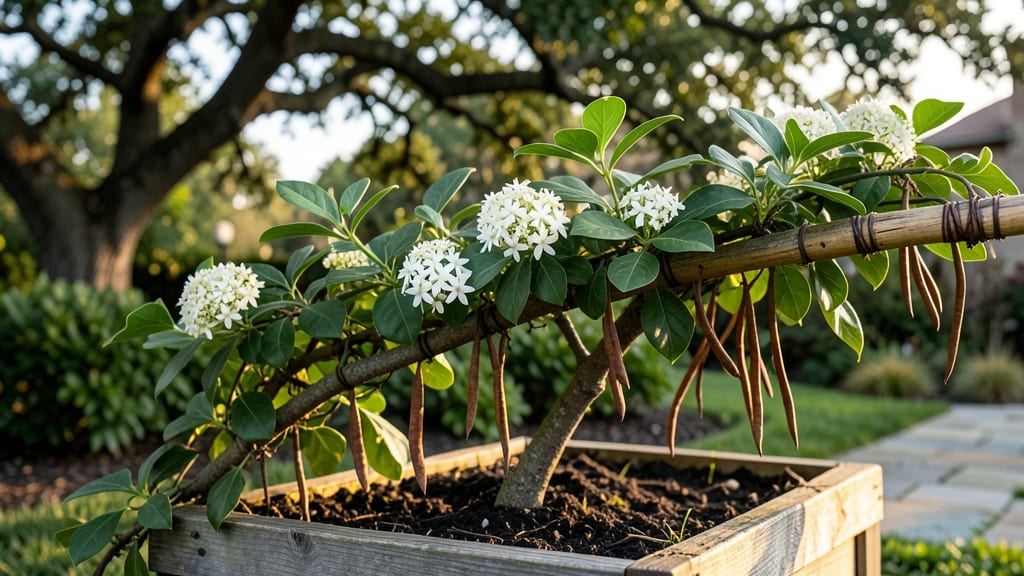
Cold-stratifying Confederate jasmine seed pods unlocks a fragrant future for your garden. 🌱 The key to breaking dormancy lies in mimicking winter's chill—just 60 days of patience transforms these tough little pods into vigorous seedlings ready for spring planting.
I've struggled with slow germination before, but this method consistently delivers results, even with my finicky green thumb.
Start by harvesting mature seed pods in late fall when they turn brown and papery. Extract the flat, brown seeds inside and mix them with slightly damp potting soil in a sealed container.
Place it in your refrigerator's crisper drawer (not the freezer) where temperatures stay between 35-45°F—this cold treatment tricks the seeds into thinking winter has passed. Most seeds will sprout within 4-8 weeks of this stratification period.
Once sprouted, transplant the delicate seedlings into individual pots with well-draining soil. They'll need bright, indirect light and consistent moisture—never let them dry out completely. By late spring, your seedlings will be hardy enough to handle outdoor conditions, though they'll need protection from harsh afternoon sun until established.
The payoff? Fragrant white blooms that climb and spread like wildfire across trellises and fences.
This method works reliably across USDA zones 7-10, though you may need to extend stratification in colder climates. The biggest challenge is patience—some seeds take longer to break dormancy, but don't give up after 60 days.
With proper care, your Confederate jasmine will reward you with decades of fragrant blooms and easy propagation from those same seed pods year after year.
📚 In This Guide
- What you need
- Instructions
- Tips and common mistakes
- Wrapping up and next steps
What you need
- ● Confederate Jasmine seed pods: 5–10 fresh, mature pods (harvested in late fall or early winter for best results).
- ● Cold-stratification medium: Option 1: 1–2 cups of damp peat moss or coco coir (sterilized).
- ● Option 2: A paper towel or damp paper (for quick stratification).
- ● Sealed container: A ziplock bag (quart-sized) or a small airtight plastic container with holes for airflow.
- ● Small knife or scissors: For gently opening seed pods (sterilized with rubbing alcohol).
- ● Planting pots: 3–4 3–4 inch diameter pots with drainage holes (or a single larger tray for multiple seeds).
- ● Well-draining potting mix: 1–2 bags of a light, sandy mix (e.g., 50% peat/50% perlite or cactus/succulent blend).
- ● Spray bottle: For misting seeds/mix without over-saturating.
- ● Refrigerator or cold frame: A space to maintain 35–45°F (2–7°C) for 60 days.
- ● Rooting hormone: A gel or powder to boost germination (e.g., Mycorrhizal inoculant for extra resilience).
- ● Grow lights or sunny windowsill: For post-stratification seedling care (south-facing window or LED grow light).
- ● Humidity dome: A clear plastic cover to retain moisture while seeds sprout.
- ● Labeling tags: To track seed pod sources or planting dates.
- ○ Heat mat (optional): If your home runs warm, a seedling heat mat can help maintain ideal temps.
How to cold-stratify Confederate jasmine seed pods for reliable germination
Cold-stratification unlocks the natural dormancy cycle of these seeds—here's how to do it right.
🌱 Step 1: Collect and Prepare the Seed Pods
Harvest mature Confederate jasmine seed pods when they turn brown and papery in late fall or early winter. Split them open carefully with a knife—each pod contains 1-2 flat, dark seeds. Remove any fibrous material clinging to the seeds and let them air-dry on a paper towel for 24 hours to prevent mold.
I always label the pods with the harvest date because stratification timing matters. If you're working with fresh pods, skip drying and proceed directly to moisture testing. The key here is freshness—older seeds germinate more slowly, even with stratification.
💧 Step 2: Moisten and Stratify the Seeds
Place the seeds in a small plastic bag with a damp paper towel—not soaking wet, just enough moisture so the towel feels like a wrung-out sponge. Seal the bag loosely (leave a tiny gap for airflow) and place it in a refrigerator set to 35-40°F. This mimics winter's natural chilling period.
Check the seeds every 7-10 days—if the towel dries out, mist it lightly with water. You'll see the seeds plump slightly after 2-3 weeks, signaling they're absorbing moisture and breaking dormancy. This step is critical: too dry delays germination, too wet causes rot.
⏰ Step 3: Monitor for Germination Over 60 Days
After 4-6 weeks in cold storage, transfer the bag to a warm, bright spot (around 70°F) to simulate spring. Germination typically occurs within 1-2 weeks of this move. You'll notice tiny white roots first, followed by the first true leaves emerging.
I recommend planting the seeds directly in small pots with well-draining soil as soon as they sprout—transplanting later can shock the delicate roots. If germination stalls after 60 days, repeat the cold-stratification cycle for another 30 days before trying again.
☀️ Step 4: Transplant Seedlings for Outdoor Success
Once seedlings develop 2-3 sets of true leaves (not the initial seed leaves), harden them off by placing them outside in partial shade for 2-3 hours daily, gradually increasing exposure over 10 days. Confederate jasmine thrives in full sun but needs time to adjust.
Choose a sheltered location with well-draining soil—these plants hate soggy roots. Space seedlings 6-8 feet apart to allow their vigorous vines room to climb. Mulch lightly around the base to retain moisture and suppress weeds, but avoid piling mulch against the stems.
Tips & tricks for perfect Confederate jasmine germination
These little-known techniques will help you break through dormancy and achieve reliable germination every time.
Harvest Timing: Pay close attention to the color of your Confederate jasmine pods—they should be completely brown and papery, not green or partially dried. I've learned the hard way that harvesting too early (when pods are still green) results in seeds that won't break dormancy properly, no matter how long you stratify. The 24-hour drying period is non-negotiable for older pods, but skip it for fresh harvests to maintain maximum moisture retention.
Moisture Balance: The damp paper towel should feel like a wrung-out sponge—not dripping wet, not bone dry. I use a kitchen scale to verify: the towel should weigh about 5% more than when completely dry. Too much moisture causes rot, while too little delays germination. Place the sealed bag in a 35-40°F refrigerator (the coldest section works best) and check every 7-10 days—this mimics nature's winter conditions perfectly.
Visual Cues: After 2-3 weeks in cold storage, look for seeds that have plumped slightly and appear slightly translucent at the edges. This is your signal that dormancy is breaking. If seeds remain flat after 4-6 weeks, they may need an additional 30 days of stratification. I've found that using clear plastic bags lets me monitor progress without opening the container.
Transplant Strategy: When those first white roots appear, resist the urge to move them immediately. Let them develop 2-3 sets of true leaves (not the initial seed leaves) before transplanting. I use small pots with well-draining soil mix (60% potting soil, 30% perlite, 10% compost) to prevent root rot. The key is gradual hardening—start with 2-3 hours of partial shade daily before moving to full sun.
Pro Tips for Confederate Jasmine Seed Pods
- These little-known techniques will help you break through dormancy and achieve reliable germination every time.
- Harvest Timing: Pay close attention to the color of your Confederate jasmine pods—they should be completely brown and papery, not green or partially dried.
- Moisture Balance: The damp paper towel should feel like a wrung-out sponge—not dripping wet, not bone dry.
Frequently asked questions
Got questions about Confederate Jasmine seed pods?
You’re not alone! Here are answers to the most common queries—from timing to troubleshooting—to help you grow these fragrant beauties with confidence.
How long does it take for Confederate Jasmine seed pods to germinate?
With cold stratification (the key trick!), germination typically takes 4–8 weeks. Start your pods in the fridge for 60 days, then plant them in well-draining soil. Patience pays off—these seeds need the chill to break dormancy!
Do I need to cold-stratify Confederate Jasmine seeds?
Absolutely!
These seeds have a hard outer coat that resists sprouting without a cold period. Skip stratification, and you’ll likely wait years for germination. The 60-day fridge method mimics winter, tricking seeds into thinking spring has arrived.
Can I grow Confederate Jasmine from cuttings instead of seeds?
Yes! Cuttings are easier for beginners. Take 4–6 inch semi-hardwood cuttings in early summer, dip in rooting hormone, and plant in moist perlite. They root in 3–6 weeks. Seeds are fun but slower—cuttings let you clone your favorite plant!
Why aren’t my Confederate Jasmine seed pods sprouting?
Check these fixes:
- Incomplete stratification: Ensure pods spent full 60 days in the fridge (not freezer!).
- Poor soil: Use a sandy, well-draining mix—these seeds hate soggy soil.
- Temperature issues: Keep soil 70–75°F after planting. Too hot/cold stalls growth.
- Patience: Some seeds take up to 3 months—don’t give up!
How tall will Confederate Jasmine grow from seed?
Mature plants reach 10–15 feet tall in ideal conditions (full sun, warm climates). Seed-grown plants may take 3–5 years to reach full size. For faster results, transplant seedlings into the ground early—just give them space!
Wrapping up and next steps
Growing Confederate jasmine seed pods through cold-stratification is a rewarding way to cultivate this fragrant, fast-growing vine—especially when you see those first green shoots in just 60 days! ✨ With the right materials and patience, you’ll unlock a low-maintenance plant perfect for trellises, fences, or even ground cover.
Ready to transform your outdoor space?
Your next step? Gather your seeds, chill them, and plant with confidence. Watch as your garden blooms with sweet, star-shaped flowers—and maybe even share your success with fellow gardening enthusiasts!