
Lawn
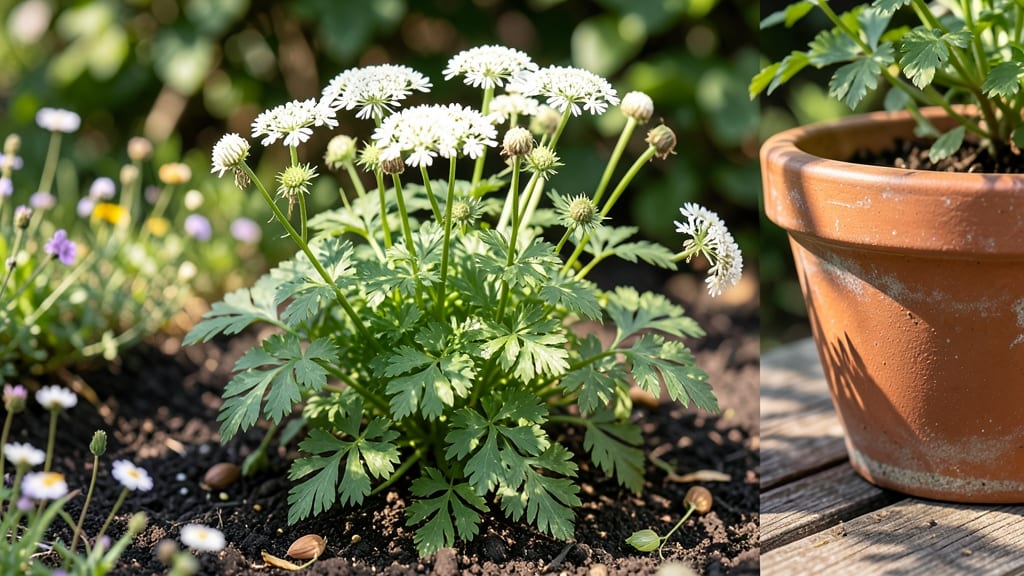
One plant, two harvests—coriander seeds and cilantro leaves—growing from the same magic seed. 🌱 The secret lies in timing: plant once, let some leaves mature for cooking, and let others bolt for seeds. I’ve grown both for years, and the key is understanding their life cycle.
You’ll need well-draining soil, full sun, and consistent moisture—no soggy roots. Start seeds indoors 4-6 weeks before your last frost, or sow directly in warm soil. The plants thrive in 60-70°F temperatures, so avoid planting too early.
By midseason, you’ll snip fresh cilantro for tacos and salads while watching other plants send up seed stalks. Harvest seeds when they turn brown and brittle, then dry them for spice blends. The best part? You’ll never buy cilantro or coriander again.
Works in containers or garden beds, and the seeds stay good for years. Here’s how to make it work flawlessly.
📚 In This Guide
- What you need
- Instructions
- Tips and common mistakes
- Wrapping up and next steps
What you need
- ● Coriander seeds (Cilantro seeds): 1–2 tbsp (or ~15–30 seeds) – Choose organic, non-GMO seeds for best results.
- ● Potting soil: 1–2 gallons – Use well-draining, organic potting mix (avoid garden soil unless sterilized).
- ● Containers: 6–8 inch pots (2–3 per seed batch) – Ensure pots have drainage holes!
- ● Watering can or spray bottle: – For gentle, even moisture.
- ● Sunlight access: 6+ hours of direct sunlight daily – South-facing windows or a sunny balcony work great.
- ○ Gloves (optional): – To protect hands from prickly stems.
- ● Pruning shears: – For harvesting cilantro leaves without damaging the plant.
- ● Fertilizer (balanced, 10-10-10): – 1 tsp per pot, applied every 4–6 weeks.
- ○ Grow lights (optional): – For indoor setups with
- ○ Seed-starting kit (optional): – Includes trays, domes, and soil for faster germination.
- ● Patience! Coriander takes 60–80 days to mature seeds.
- ● Consistent care: Water when the top inch of soil feels dry.
- ● Space management: Thin seedlings to 6 inches apart for optimal growth.
Step-by-Step instructions for growing coriander from seed to harvest
Here’s how to coax both fragrant cilantro leaves and aromatic coriander seeds from a single plant.
🌱 Step 1: Start Seeds Indoors for Early Growth
Fill 2-3 inch deep seedling trays with fresh potting mix—coriander hates soggy soil, so avoid garden dirt. Press the mix down lightly, then scatter seeds on the surface. I like to tap the tray gently to distribute them evenly without burying them too deep. Coriander seeds need light to germinate, so only cover them with a sprinkle of soil or leave them uncovered.
Mist the tray until the soil feels damp but not wet. Place it in a warm spot (around 65-75°F) with indirect light. You’ll see tiny sprouts in 7-14 days, but don’t rush germination by overwatering. Keep the soil consistently moist until the first true leaves appear—those look like tiny, lacy versions of the mature plant.
☀️ Step 2: Transplant Seedlings Outdoors After True Leaves Form
Once seedlings have 2-3 sets of true leaves (not just the initial cotyledons), they’re ready for the garden. Choose a spot with partial shade to full sun—too much heat causes cilantro to bolt quickly. Space plants 6-8 inches apart in well-draining soil.
Water gently after transplanting to settle the roots. I like to add a thin layer of mulch (like straw) to keep moisture even and prevent soil crusting. Coriander thrives in cooler weather, so aim to plant it in early spring or late summer for a second crop.
💧 Step 3: Maintain Consistent Moisture and Watch for Bolting
Coriander needs steady moisture but hates soggy roots. Water when the top inch of soil feels dry, and always water at the base to avoid wetting the leaves—this prevents fungal issues. If your climate gets hot, provide afternoon shade to delay bolting (when the plant flowers prematurely).
Here’s the thing—cilantro leaves taste best when harvested young. Start picking outer leaves when they’re 3-4 inches tall, using clean scissors to snip just above a leaf node. This encourages bushier growth and extends your harvest window.
⏰ Step 4: Let Some Plants Flower for Coriander Seeds
If you want seeds, allow a few plants to flower. Once the white blooms appear, the plant will bolt (send up a tall stalk). This is normal—don’t panic! The seeds form in clusters along the stalk. Let them dry on the plant until they turn brown and brittle (usually 4-6 weeks after flowering).
To harvest, cut the seed heads and hang them upside down in a paper bag for a few days. The seeds will fall out easily. Store them in an airtight container in a cool, dark place. These are your coriander seeds—perfect for spice blends and Indian dishes!
✂️ Step 5: Harvest Leaves and Seeds Strategically
For a continuous supply of cilantro, keep harvesting leaves every 2-3 weeks. Avoid cutting more than a third of the plant at once, or you’ll stunt new growth. If the plant starts flowering, you can either pull it for seeds or let it go to seed for next year’s crop.
Real talk: Coriander bolts faster in heat, so if your summer days are long and hot, focus on seeds instead of leaves. The trade-off is worth it—fresh cilantro is hard to beat, and dried coriander seeds are a pantry staple.
Tips & tricks for growing coriander from seed to harvest
Here's what nobody tells you about growing this dual-purpose herb successfully.
Seed Placement: Don't press the seeds too firmly into the soil during Step 1—just scatter them on top or barely cover with a sprinkle. Coriander seeds need light to germinate, and burying them too deep will delay or prevent sprouting. I've seen seeds take up to 3 weeks to sprout when buried too deeply, but they'll appear in just 7-14 days when left uncovered.
Temperature Matters: Maintain that 65-75°F range consistently during germination. If your home gets cooler than this, consider using a seedling heat mat underneath the tray. I've had seeds fail to germinate when kept below 60°F—this is especially important if you're starting seeds in cooler climates or during winter months.
Harvest Strategy: When harvesting cilantro leaves in Step 5, focus on the outer leaves first. This encourages the plant to grow bushier and produce more leaves. I like to harvest every 2-3 weeks, but never take more than a third of the plant at once. If you notice the plant starting to flower, you can either harvest it immediately for leaves or let it go to seed for the coveted coriander seeds.
Seed Storage: For the seeds you harvest in Step 4, store them in an airtight container in a cool, dark place. They'll keep for up to 2 years, but for best flavor, use them within 1 year. I like to label my containers with the harvest date so I can track freshness. The seeds should be completely dry before storing to prevent mold growth.
Pro Tips for Coriander Seed Cilantro
- Here's what nobody tells you about growing this dual-purpose herb successfully.
- Seed Placement: Don't press the seeds too firmly into the soil during Step 1—just scatter them on top or barely cover with a sprinkle.
- Temperature Matters: Maintain that 65-75°F range consistently during germination.
Frequently asked questions
Can I grow both coriander seeds and cilantro from the same plant?
The same plant produces both coriander seeds (dried) and cilantro (fresh leaves). Just let some flowers bloom for seeds while harvesting leaves from younger stems. It’s like a two-in-one culinary superstar!
How long does it take for cilantro to bolt and produce seeds?
Cilantro typically bolts (goes to seed) in 30–60 days in warm weather. To delay bolting, plant in cooler months (spring/fall) or use shade cloth. If you want seeds, let it bolt—harvest when seed pods turn brown and dry.
Why does my cilantro taste soapy?
Some people experience a soapy flavor due to a genetic trait called aldehyde oxidase. If you dislike the taste, try different varieties (like ‘Santo’ or ‘Calypso’) or use the stems/roots instead of leaves. Pro tip: Freezing or cooking can mellow the flavor too!
Can I save coriander seeds for next year?
Yes! Store dried coriander seeds in an airtight container in a cool, dark place (like your pantry) for up to 1 year. For best germination, plant fresh seeds—older seeds may take longer to sprout. Label them to avoid mix-ups!
What can I do with cilantro if it bolts too fast?
Don’t toss it! Use bolted cilantro for:
- Seeds: Dry and grind for coriander spice.
- Stems: Chop for soups, salsas, or pestos.
- Roots: Peel and grate for a ginger-like kick in stir-fries.
- Flowers: Garnish tacos, salads, or cocktails.
Waste not, want not!
Wrapping up and next steps
From one humble coriander plant, you’ve unlocked a dual harvest of fragrant coriander seeds and vibrant cilantro—perfect for spicing up your garden and kitchen! 🌱 Whether you’re a seasoned gardener or just starting, this versatile herb proves that big flavors come from small seeds.
Now that you’re armed with tips and tricks, why not plant a few seeds this week and enjoy the rewards of your green thumb?
Next steps:
- 🌱 Start small: Try growing a few plants in pots or your garden bed.
- 📝 Keep a journal: Track your harvest progress for future success!
- 🍽️ Experiment: Use both seeds and leaves in your favorite recipes!