
Lawn
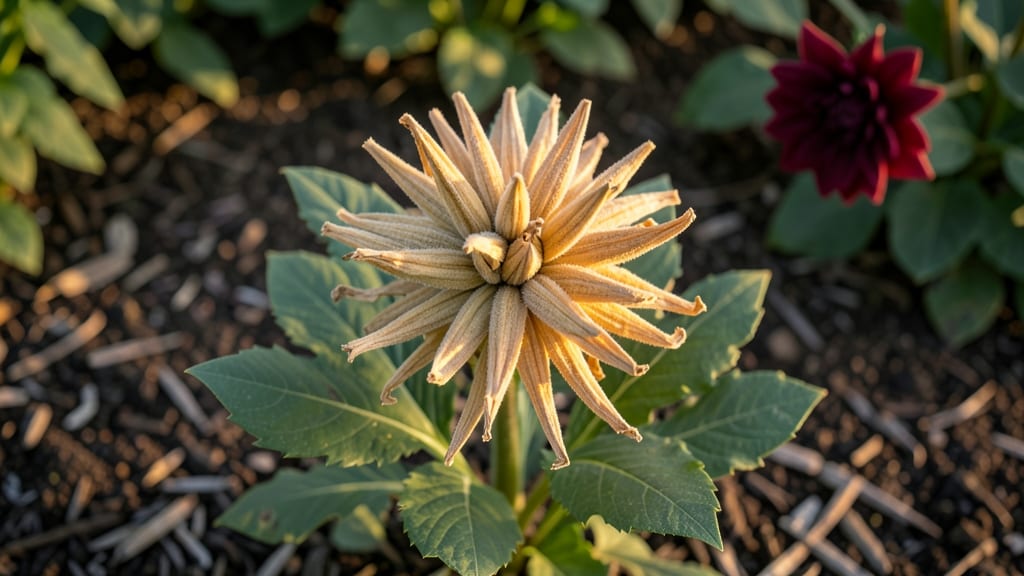
Those papery dahlia seed heads hold the secret to next year’s garden. 🌻 I’ve learned that saving them isn’t just about saving seeds—it’s about preserving the exact colors and forms you love, while keeping your dahlias thriving.
The process starts with letting a few blooms mature naturally, but timing and technique make all the difference.
You’ll need just a few tools: sharp scissors, paper bags for drying, and a patient eye. The key is harvesting seed heads when they’ve fully dried but before they scatter—usually in late fall.
Cut the heads carefully, leaving a bit of stem, then let them dry indoors for a week or two. This simple step ensures viable seeds ready for spring planting.
What you end up with is a collection of seeds that grow into plants just like their parents—no surprise hybrids or weak growth. These dahlias will bloom earlier, stronger, and with the same vibrant colors you’ve come to love.
Plus, you’ll have extra plants to share or expand your garden without spending a dime.
For those first-time savers, don’t worry about perfection—even a few seeds can start a whole new batch. Just watch for pests like slugs or powdery mildew on the drying heads, and store seeds in a cool, dry place. Next season, you’ll be the one everyone asks for cuttings from!
📚 In This Guide
- What you need
- Instructions
- Tips and common mistakes
- Wrapping up and next steps
What you need
- ● Mature dahlia plants with fully developed seed heads (wait until the blooms fade and the heads turn brown/dry).
- ● Sharp pruning shears or garden scissors (sterilized to prevent disease).
- ● Brown paper bags or breathable mesh bags (1 per seed head, ~6–8" in size).
- ● Permanent marker or labels (to note varieties if saving seeds from multiple types).
- ● Dry, well-ventilated storage space (cool, dark area like a basement or garage).
- ● Glove (to protect hands from thorns or debris).
- ● Small fan or dehumidifier (to speed up drying if humidity is high).
- ● Seed-saving journal (to track varieties, harvest dates, and germination notes).
- ● Desiccant packets (to absorb moisture during storage).
- ● Wait until first frost has killed the foliage (or at least 2–3 weeks after blooming ends).
- ● Choose healthy, disease-free plants (avoid seeds from plants with powdery mildew or pests).
- ● Ensure seed heads are fully dry before storing (squeeze gently—if moist, they’re not ready!).
How to harvest dahlia seed heads for next year’s blooms
Here’s the simple method I use to save dahlia seeds and grow new plants that match—or even beat—their parents.
🌱 Step 1: Wait for the Right Time to Harvest
Harvest seed heads only after the first frost blackens the foliage and the plant dies back completely. This ensures the seed pods have fully matured inside. Look for dried, papery seed heads that rattle when shaken—this means the seeds are ready.
If you harvest too early, the seeds won’t germinate properly. I always wait until the stems are crispy and brown, usually 4-6 weeks after blooming ends. This timing varies by climate, so check pods weekly once frost arrives.
✂️ Step 2: Cut and Dry the Seed Heads
Use clean, sharp scissors to snip the dried seed heads from the stems, leaving ½ inch of stem attached. Place them in a paper bag (not plastic—it traps moisture) and hang upside down in a dry, shaded spot. This mimics natural seed dispersal and prevents mold.
Leave them to dry for 2-3 weeks. You’ll know they’re ready when the seed pods split open easily and the seeds inside look plump and dark. If mold appears, move them to a drier location immediately—dampness ruins seeds overnight.
💧 Step 3: Extract and Store the Seeds
Once fully dry, gently rub the seed heads between your fingers over a clean white sheet of paper to separate the seeds. Discard any empty or shriveled pods—they won’t grow. Collect only the plump, firm seeds for planting.
Store the seeds in a small envelope labeled with the dahlia variety and date. Keep them in a cool, dark place (like a fridge) until spring. Seeds stay viable for 1-2 years, but I’ve had luck planting them fresh the following season for the best results.
🌿 Step 4: Plant Saved Seeds in Spring
Start seeds indoors 8-10 weeks before your last frost date in small pots filled with seed-starting mix. Plant ½ inch deep and keep the soil moist but not soggy. Place under a grow light for 14-16 hours daily—natural light alone won’t be strong enough.
Seedlings will sprout in 10-21 days, depending on the variety. Once they develop true leaves, transplant them into larger pots. Harden them off outdoors 2 weeks before the last frost, then move to the garden after all danger of frost has passed.
⏰ Step 5: Care for Seedlings Until Maturity
Young dahlia seedlings need full sun (6+ hours daily) and consistent moisture—never let the soil dry out completely. Fertilize lightly with a balanced 10-10-10 formula every 4 weeks once they’re established.
Pinch back the tops when seedlings reach 6 inches tall to encourage bushier growth. By midsummer, you’ll have sturdy plants ready to bloom—just like their parent plants! The first flowers might not match the original, but second-year plants often improve in size and color.
Tips & tricks for perfect dahlia seed head harvesting
A few quick tricks will help you save seeds that grow into vibrant dahlia blooms next season.
Timing is Everything: The 4-6 weeks after blooming ends is critical—this is when seeds fully mature. If you live in a warmer climate where frost doesn't occur, wait until the foliage naturally yellows and dies back completely. I've learned the hard way that harvesting too early means seeds won't germinate, no matter how carefully you store them.
Drying Strategy: That 2-3 week drying period in Step 2 is non-negotiable for seed viability. If you're short on time, place your paper bags in a warm, dry spot (like above a radiator) to speed up drying by about 40%. Just monitor daily for mold—if you see any fuzzy spots, move them immediately to prevent seed loss.
Seed Selection: When extracting seeds in Step 3, focus on the plump, firm ones that sink to the bottom of your paper when you shake it. Discard any seeds that float or look shriveled—these won't grow. I like to spread them out on a clean white plate to easily spot the good ones against the background.
Storage Wisdom: For long-term storage beyond the 1-2 year window, place your seed envelopes in a small airtight container with a packet of silica gel. This keeps moisture out and extends viability for up to 4 years. Just label everything clearly—next spring you'll thank yourself for the organization!
Pro Tips for Dahlia Seed Head
- A few quick tricks will help you save seeds that grow into vibrant dahlia blooms next season.
- Timing is Everything: The 4-6 weeks after blooming ends is critical—this is when seeds fully mature.
- Drying Strategy: That 2-3 week drying period in Step 2 is non-negotiable for seed viability.
Frequently asked questions
Why should I save dahlia seed heads instead of buying new plants?
Saving seed heads is cost-effective, preserves rare or heirloom varieties, and lets you experiment with new colors or types. Plus, it’s rewarding to grow plants from seeds you’ve collected! Just note that hybrids may not always reproduce true to type—so treat it as a fun adventure rather than a guarantee.
When is the best time to harvest dahlia seed heads?
Wait until the blooms are fully spent and the petals have fallen off naturally (usually late summer to early fall). The seed heads should be dry, papery, and brown inside. Harvest them on a dry day to prevent mold—cut the stems just above the seed head and let them cure indoors for 1–2 weeks before opening.
Can I save seeds from store-bought dahlias?
Yes, but with a caveat: Many commercial dahlias are hybrids bred for showy blooms, not seed viability. If the seed heads are plump and dry (not shriveled), give it a try! For better results, opt for open-pollinated or heirloom varieties labeled as “seed-saving friendly” from specialty nurseries.
What should I do if my seed heads get moldy or infested?
Mold or pests (like weevils) can ruin your seeds. If you spot issues, discard the affected heads immediately. To prevent problems, store harvested heads in a paper bag (not plastic) in a cool, dry place. Freezing seed heads for 48 hours can also kill pests before processing.
How do I know if my saved seeds are still good?
Dahlia seeds typically stay viable for 2–3 years if stored properly in a sealed container with silica gel or a desiccant. Test germination by planting a few seeds in moist soil—if they sprout within 2–3 weeks, the rest are likely good to go! Discard any seeds that smell musty or look discolored.
Wrapping up and next steps
Harvesting dahlia seed heads is a simple yet rewarding way to ensure next season’s blooms are just as stunning!
By following the right steps—like choosing healthy seed heads, drying them properly, and storing them in a cool, dry place—you’ll be well on your way to growing vibrant dahlias year after year. Don’t let those seeds go to waste! Grab a pair of scissors, gather your supplies, and get ready to plant the seeds of next summer’s garden today.
🌱 Next step: Mark your calendar for late fall or early winter to plant those seeds—your future garden will thank you!