
Propagation
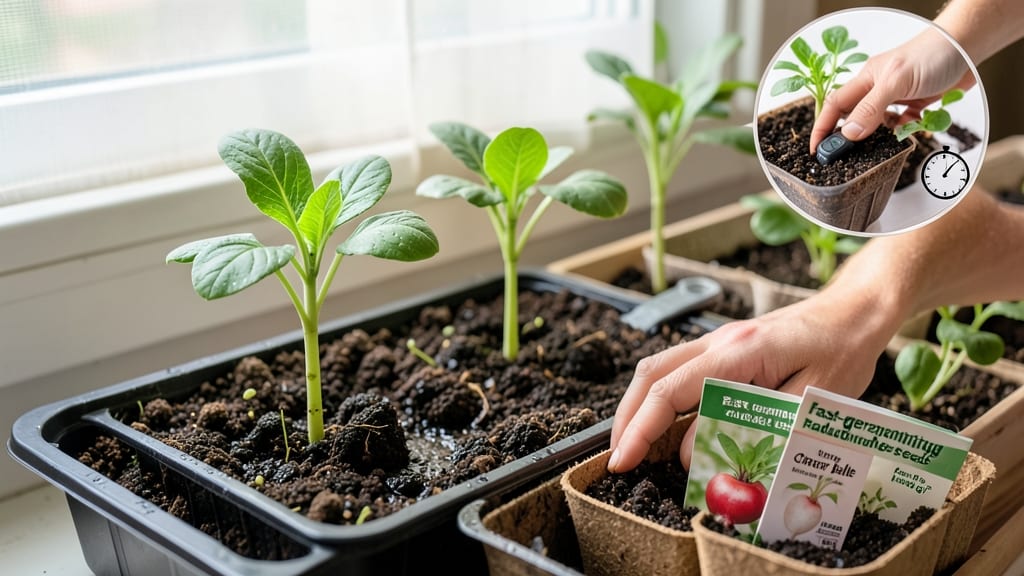
Your seeds can achieve fast seed germination in 7 days—not weeks—with the right humidity-controlled setup. 🌱 I’ve watched tiny seedlings break through soil in less than a week using this method, and it works for both indoor starts and outdoor plantings.
The secret isn’t magic; it’s science-backed adjustments to moisture, warmth, and airflow that mimic ideal growing conditions. Most gardeners overlook humidity as the game-changer—too little air circulation stalls growth, while too much causes rot.
A simple humidity dome (a plastic bag or clear lid) keeps moisture levels perfect, while a heat mat under your tray adds the extra warmth fast-sprouting seeds crave. Radishes, lettuce, and beans are the easiest to start this way, but even finicky herbs like basil respond faster.
By day 3, you’ll see tiny green hooks pushing through the soil, and by day 7, you’ll have sturdy seedlings ready for transplanting. The best part? This method cuts your wait time by half compared to traditional germination, so you’ll be harvesting sooner too.
Works for seed-starting trays, paper towels, or even repurposed containers. Let’s get those seeds moving!
📚 In This Guide
- What you need
- Instructions
- Tips and common mistakes
- Wrapping up and next steps
What you need
- ● Seeds: Choose fast-sprouting varieties like radishes, beans, or lettuce (50–100 seeds, depending on your setup).
- ● Germination trays or containers: 1–2 shallow trays (10"x20" or similar) with drainage holes, or reusable seed-starting kits.
- ○ Germination mat or heating pad: 1 (optional but highly recommended for faster results; 100–150W, adjustable heat).
- ● Humidity dome or plastic wrap: 1–2 (to retain moisture; clear plastic lids or cling film work too!).
- ● Growing medium: 2–3 cups of sterilized seed-starting mix or coconut coir (avoid garden soil—it’s too dense!).
- ● Spray bottle: 1 (with a fine mist nozzle for gentle hydration).
- ○ pH testing kit (optional but helpful): 1 (to ensure your growing medium is between 6.0–7.0).
- ● Thermometer/hygrometer: 1 (to monitor temperature and humidity; ideal range: 70–85°F and 80–90% humidity).
- ● Tweezers or seedling pickers: 1 pair (for delicate seed placement).
- ● Labeling tags: 5–10 (to track seed types and planting dates).
- ○ LED grow lights (optional): 1–2 (12–15W, full-spectrum, for 12–14 hours/day once sprouts emerge).
- ● Fertilizer (low-dose): 1 small bottle (e.g., fish emulsion or seaweed extract, diluted to half-strength for post-germination care).
Step-by-step instructions for humidity-controlled speed sprouting
Here's how to cut germination time in half while keeping your seedlings strong and healthy.
🌱 Step 1: Prep Seeds and Soil for Maximum Moisture Retention
Start by soaking your seeds in lukewarm water for 12 hours to soften the outer coating and kickstart metabolic activity. This step is non-negotiable for fast germination—seeds like lettuce and spinach need this hydration boost to break dormancy quickly. While they soak, fill your seed trays with moistened seed-starting mix until it's damp but not dripping.
Press the soil down gently to remove air pockets—this ensures even moisture distribution. The goal is a consistency like a wrung-out sponge: holds water but doesn't pool. I like to tap the tray lightly on the table to settle the mix without compacting it. This prep work prevents the number-one germination killer: inconsistent moisture.
💧 Step 2: Plant and Create a Humidity Dome
Sow seeds at the correct depth—typically twice the seed diameter—using your fingertip to make small holes. Space them ¼ inch apart to avoid overcrowding later. Cover them lightly with additional mix, then mist the surface until it looks uniformly damp. The key here is gentle pressure: you want seeds to stay in place without being buried too deep.
Immediately after planting, cover the tray with a clear plastic dome or plastic wrap. This creates a 90% humidity environment, which is critical for speed. Without this, seeds dry out before they can germinate. Place the tray in a warm spot—75-85°F is ideal—where it won't be disturbed. You'll see condensation form on the dome within hours—that's your sign the humidity is perfect.
☀️ Step 3: Monitor Light and Temperature for Rapid Growth
Keep the tray in this warm, humid environment for the first 3-5 days, checking daily for signs of sprouting. You'll notice tiny white roots breaking through the soil first—that's your cue to move the tray under grow lights for 14-16 hours daily. Avoid natural sunlight at this stage; it's too intense and can scorch delicate seedlings.
If you don't have grow lights, position the tray 6-8 inches from a south-facing window. Watch for leggy growth—a sign the light is too weak. The moment you see first true leaves (not the initial seed leaves), remove the humidity dome immediately. This prevents fungal issues while still maintaining enough moisture for root development.
⏰ Step 4: Thin and Transition to Normal Care
Once seedlings reach 1-2 inches tall—typically 7-10 days in—thin them to 1 seedling per cell using scissors to avoid disturbing roots. Water gently from the bottom by placing the tray in ½ inch of water for 10 minutes, then drain. This method prevents soil displacement and ensures even moisture without overwatering.
Now's the time to transition to regular care: reduce humidity by removing any remaining cover and increase airflow. You'll see stronger stems and darker green leaves within days—proof the speed-sprouting method worked. Keep soil consistently moist (not soggy) and maintain 65-75°F temperatures. This is where your fast-start seedlings really shine.
Tips & tricks for perfect humidity-controlled speed sprouting
Cutting germination time in half requires precision—here's how to nail every critical step without sacrificing seedling strength.
Soaking Secret: The 12-hour soak isn't just about hydration—it's about breaking seed dormancy. For hard-to-germinate seeds like chard or cilantro, extend the soak to 16 hours (optional) while keeping water lukewarm. Cold water slows metabolic activity, while hot water can damage delicate seed coats. I use a seed tray with a lid to contain any potential spills during this overnight process.
Planting Precision: When sowing at twice the seed diameter, use a toothpick to create holes—it gives you better control than fingers. For tiny seeds like lettuce, I lightly press the seed into the hole with the toothpick rather than covering it completely. This ensures proper contact with moisture while preventing burial too deep. After planting, I give the tray a final light mist using a spray bottle with a fine mist setting to avoid displacing seeds.
Humidity Dome Hack: The 90% humidity environment created by the plastic dome is non-negotiable, but here's the pro move: place a small weight (like a paperclip) on the dome to create a slight tent. This prevents the dome from touching the soil and causing mold while still maintaining that critical humidity. I also poke a few tiny holes in the dome if condensation becomes excessive after 24 hours—just enough to release moisture without dropping humidity below 80%.
Light Transition Timing: The moment you see first true leaves (not the initial seed leaves), remove the humidity dome immediately. This prevents fungal issues while still maintaining enough moisture for root development. I use a magnifying glass to check for true leaves—these will look different from the initial seed leaves and indicate the plant is ready for its next growth phase. The 14-16 hours of grow light daily should be consistent, but if you notice seedlings stretching toward the light, they're telling you they need more intensity.
Pro Tips for Fast Seed Germination
- Cutting germination time in half requires precision—here's how to nail every critical step without sacrificing seedling strength.
- Soaking Secret: The 12-hour soak isn't just about hydration—it's about breaking seed dormancy.
- Planting Precision: When sowing at twice the seed diameter, use a toothpick to create holes—it gives you better control than fingers.
Frequently asked questions
Got questions about speeding up seed germination?
You’re not alone! Here are some of the most common queries—and their answers—to help you master fast, humidity-controlled sprouting in just 7 days.
How do I know if my seeds are ready for fast germination?
Seeds should be fresh (check the packet date—most last 1–2 years), plump, and free of cracks or mold. Soak them in warm water for 4–12 hours before sprouting to kickstart the process. If they float, they’re likely non-viable—swap them out!
Can I speed up germination without a humidity dome?
Try these no-dome tricks:
- Use a spray bottle to mist seeds 2–3x daily.
- Place seeds in a closed plastic bag with a damp paper towel.
- Opt for a seedling heat mat (70–85°F) to mimic natural warmth.
Why are my seeds sprouting mold instead of plants?
Mold is a red flag—it thrives in too much moisture or poor airflow. Fix it fast:
- Remove moldy seeds/towels immediately.
- Increase airflow with a small fan on low.
- Reduce misting to once daily and let excess water drain.
What’s the ideal temperature for fast germination?
Most seeds sprout fastest between 70–85°F (21–29°C). For cooler climates, use:
- A seedling heat mat under your tray.
- A warm spot like near a sunny window (not direct light yet!).
How do I transition sprouts to soil without shock?
Once sprouts have 2–3 true leaves (not just the first seed leaves), harden them off:
- Move the tray to indirect light for 1–2 hours/day, increasing daily.
- Plant in moist, well-draining soil—avoid burying the stem too deep!
- Water gently to avoid displacing roots.
Wrapping up and next steps
Mastering fast seed germination with humidity-controlled speed sprouting isn’t just about patience—it’s about strategy! 🌱 By leveraging the right materials, temperature, and moisture balance, you can coax seeds to life in just 7 days or less.
Whether you're a seasoned gardener or a curious beginner, these techniques open doors to quicker harvests and healthier plants.
Ready to grow with confidence? Start small—pick one seed type, experiment with your setup, and refine your approach. Soon, you’ll be sprouting like a pro, turning tiny seeds into thriving greens in record time! 🚀