
Lawn
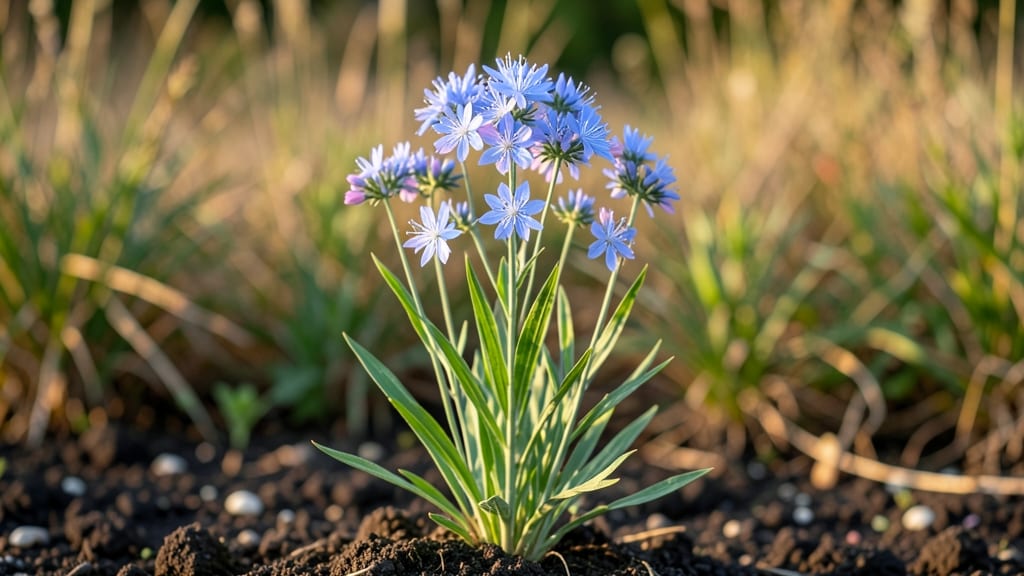
Growing flax seed flowers from seed is easier than you think—and you’ll have delicate blue blooms in just six weeks. 🌱 I’ve grown flax for years, and the secret is in the timing, soil, and a little patience.
These cheerful flowers aren’t just pretty; they’re pollinator magnets and a great cut flower for bouquets.
The key to success starts with well-draining soil and a sunny spot—flax thrives in full sun but tolerates light shade. Plant seeds directly in the garden after the last frost, about ¼ inch deep, and keep the soil consistently moist until germination.
Once established, flax is drought-tolerant, making it a low-maintenance addition to any garden.
By week six, you’ll be rewarded with clusters of sky-blue flowers that bloom for weeks. The plants stay compact (around 18-24 inches tall), making them perfect for borders, containers, or even as a living mulch.
Plus, if you let some flowers go to seed, you’ll have free plants next year—though self-seeding can be aggressive in some areas.
Common challenges include leggy seedlings (thin them early) and powdery mildew in humid climates (space plants well for airflow). For best results, harvest seeds when pods turn brown and brittle—just don’t let them shatter on the ground!
Whether you’re growing for beauty, pollinators, or fiber, flax is a versatile and rewarding plant.
📚 In This Guide
- What you need
- Instructions
- Tips and common mistakes
- Wrapping up and next steps
What you need
- ● Flax seeds (Linum usitatissimum): 1 packet (approx. 100–200 seeds) – Choose organic, non-GMO seeds for best results.
- ● Seed-starting soil: 1 small bag (1–2 quarts) – Use a lightweight, well-draining potting mix (avoid garden soil).
- ● Containers: 2–4 small pots (3–4 inches deep) or a seed tray with cells – Ensure they have drainage holes!
- ● Watering can or spray bottle: For gentle hydration without disturbing seeds.
- ● Grow lights or sunny windowsill: Flax seeds need 6–8 hours of light daily (south-facing window or LED grow lights work great).
- ● Plant labels & marker: To track planting dates and varieties.
- ● Misting spray bottle: Keeps soil moist without overwatering.
- ○ Fertilizer (optional): A balanced, water-soluble fertilizer (5-5-5 ratio) for transplanting.
- ● Pruning shears: For trimming spent blooms to encourage more flowers.
- ● Compost or worm castings: Boosts soil health for stronger plants.
Step-by-Step instructions for cultivating flax seed flowers
Here's how to grow these delicate blue blooms from seed to vibrant display in just six weeks.
🌱 Step 1: Prepare the Planting Site
Flax thrives in well-draining soil with full sun exposure. Choose a location that receives at least 6-8 hours of direct sunlight daily. The soil should be loose and slightly acidic, with a pH between 6.0 and 7.5. If your soil is heavy clay, mix in 2-3 inches of compost to improve drainage.
Work the soil to a depth of 6 inches using a garden fork or tiller. Remove any weeds or debris, as flax seedlings are delicate and can be easily outcompeted. Lightly rake the surface to create a fine, crumbly texture—this ensures good seed-to-soil contact for even germination.
🌱 Step 2: Sow Seeds at the Right Depth and Spacing
Scatter flax seeds thinly over the prepared soil, aiming for 1/8 inch deep. Press them gently into the soil with your fingers or the back of a rake—you don’t want to bury them too deeply, as they need light to germinate. I like to space rows 12-18 inches apart to allow for easy maintenance and airflow.
Once sown, cover the seeds lightly with a thin layer of soil or compost. Water gently with a fine spray nozzle to avoid disturbing the seeds, keeping the soil moist but not soggy. You’ll see the first sprouts emerge in 7-14 days, depending on soil temperature—warmer conditions speed up germination.
☀️ Step 3: Maintain Consistent Moisture and Light
Flax plants prefer consistent moisture but hate soggy roots. Water deeply once a week, or more frequently if the top inch of soil feels dry to the touch. Avoid overhead watering once seedlings appear—water at the base to prevent fungal diseases like damping-off, which can kill young plants overnight.
Ensure the plants receive full sun daily. If you’re growing in a container, place it in a sunny spot and rotate the pot a quarter turn every few days to prevent leaning. You’ll notice the seedlings grow quickly once they establish—watch for the first true leaves, which appear 10-14 days after germination.
✂️ Step 4: Thin Seedlings and Support Growth
When seedlings reach 2-3 inches tall, thin them to stand 6-8 inches apart. Use scissors to snip excess seedlings at soil level rather than pulling them by hand—this prevents disturbing the roots of remaining plants. Thinning ensures each plant has enough nutrients and space to grow strong stems.
Flax plants are self-supporting but may need staking if grown in windy areas. Insert 12-inch stakes near the base of taller plants and gently tie them with soft twine as they grow. This keeps stems upright and prevents them from flopping over before they bloom.
🌿 Step 5: Encourage Blooming and Harvest
Flax flowers thrive with minimal intervention once established. Fertilize lightly with a balanced, water-soluble fertilizer (like 10-10-10) every 4-6 weeks to promote healthy growth. Stop fertilizing 4-6 weeks before harvest to allow the plants to focus on producing seeds rather than foliage.
You’ll see the first buds form 6-8 weeks after sowing. The flowers will open in clusters of delicate blue or white blooms, depending on the variety. Harvest seeds when the flower heads turn brown and dry—simply twist the seed heads off the stems and store them in a cool, dry place for future planting.
Tips & tricks for perfect flax seed flower cultivation
Took me years of trial and error to perfect these delicate blooms—here's what I learned the hard way.
Soil Prep Secret: The 6-inch deep preparation in Step 1 isn't just about depth—it's about creating a loose, airy environment. I've found that adding a handful of perlite to heavy clay mixes creates perfect drainage while maintaining moisture. This prevents the dreaded "damping-off" that can wipe out seedlings overnight. The key is that crumbly texture—it should feel like damp sand, not packed dirt.
Seed Placement Technique: When sowing at 1/8 inch depth in Step 2, think of it like sprinkling birdseed—lightly and evenly. I use a small hand rake to create shallow furrows, then scatter seeds along them. This ensures consistent depth without burying them too deeply. A gentle press with your fingers after sowing helps maintain contact with the soil while keeping seeds exposed to light for faster germination.
Watering Wisdom: The once-a-week watering guideline in Step 3 works perfectly in most climates, but I've learned to adjust based on rainfall. After sowing, I use a spray bottle to mist seeds daily until sprouts appear—this keeps them moist without disturbing the delicate soil surface. Once seedlings emerge, I switch to deep watering at the base, avoiding the leaves entirely to prevent fungal issues.
Thinning Timing: In Step 4, the 2-3 inch height guideline is perfect for thinning, but I've found the best time is actually when seedlings have their first true leaves. This ensures they've developed enough root structure to survive the process. Use clean scissors to snip at soil level rather than pulling—this prevents uprooting neighboring plants and gives you cleaner stems for staking later.
Pro Tips for Flax Seed Flower
- Took me years of trial and error to perfect these delicate blooms—here's what I learned the hard way.
- Soil Prep Secret: The 6-inch deep preparation in Step 1 isn't just about depth—it's about creating a loose, airy environment.
- Seed Placement Technique: When sowing at 1/8 inch depth in Step 2, think of it like sprinkling birdseed—lightly and evenly.
Frequently asked questions
Got questions about growing flax seed flowers? You’re not alone! Here are some of the most common queries—and their answers—to help you cultivate a thriving garden of these delicate blooms.
How long does it take for flax seed flowers to grow from seed?
Flax seed flowers typically bloom in 6–8 weeks from planting, depending on your climate and growing conditions. In cooler regions, germination may take longer (10–14 days), while warmer areas can see faster growth. Patience is key—these beauties reward consistency!
Can flax seed flowers survive frost?
Young flax seedlings are frost-sensitive and should be planted after the last frost date in your area. Once established, mature plants can tolerate light frost, but heavy freezes may damage foliage. For early blooms, consider starting seeds indoors or using row covers for protection.
What’s the best soil mix for flax seed flowers?
Flax thrives in well-draining, slightly acidic soil (pH 6.0–7.0). A mix of 50% garden soil, 30% compost, and 20% perlite or sand works well. Avoid heavy clay, as it can lead to root rot. Raised beds or containers are great alternatives if your native soil is poor.
Why aren’t my flax seeds germinating?
Common culprits include overwatering, poor soil contact, or cold temperatures. Ensure seeds are planted ¼-inch deep in moist (not soggy) soil and kept in a warm (70–75°F) spot. If germination stalls, try scarifying seeds (lightly nicking the outer shell) or using a heat mat for stubborn batches.
Are there alternatives to flax seed flowers for quick blooms?
Yes! If you’re short on time, try cosmos, zinnias, or bachelor’s buttons—they bloom in 4–6 weeks and share flax’s low-maintenance charm. For a similar delicate look, larkspur or cornflowers are excellent substitutes with vibrant colors.
Wrapping up and next steps
Growing flax seed flowers is a rewarding journey that brings beauty and sustainability right to your garden—or even your windowsill! 🌱 With just a few simple steps, you’ve unlocked the potential to nurture these delicate blooms in as little as six weeks.
Whether you’re drawn to their elegant blue petals or their eco-friendly benefits, this guide has given you everything you need to succeed.
Now that you’re ready to plant, take the next step—start with a small batch and watch your garden transform! Share your progress with fellow gardening enthusiasts or experiment with different growing conditions to see what works best. Happy planting, and enjoy the stunning rewards of your hard work!