
Lawn
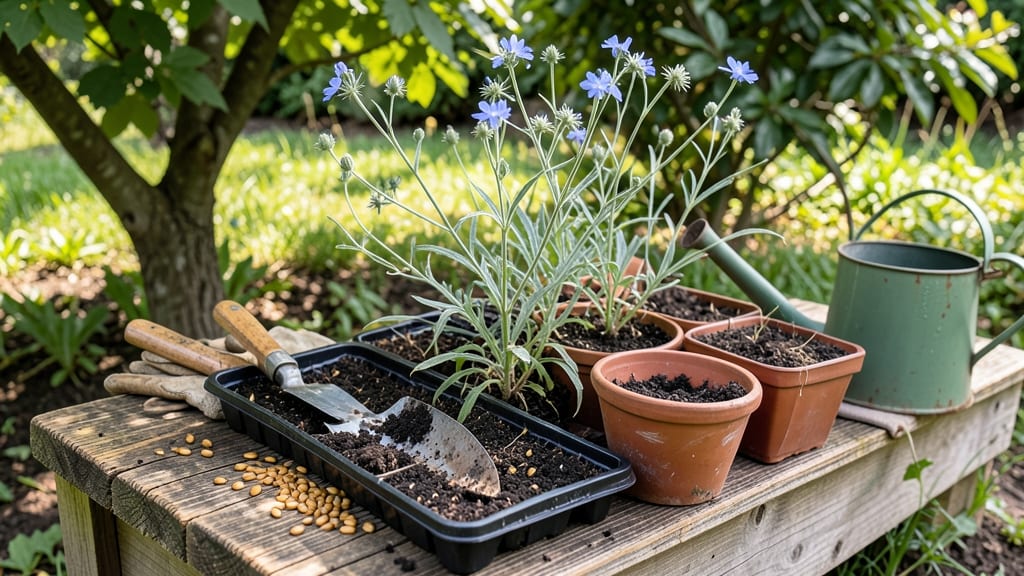
Planting flax seeds unlocks a zero-waste harvest—fiber, oil, and fresh seeds for next year. 🌱 I learned the hard way that flax thrives when planted in cool weather, and the key is getting the timing right for both growth and seed production.
The secret lies in well-drained soil and patience; you won’t see results until next year, but the payoff is worth it.
Start with loose, sandy loam soil mixed with compost—flax hates soggy roots. Plant seeds ¼ inch deep, spacing them 6-12 inches apart in rows 12-18 inches apart.
Water gently after planting, keeping the soil moist but never soggy. Flax loves full sun, so choose a spot that gets at least 6-8 hours of sunlight daily.
By late summer, you’ll see tall, slender stems topped with delicate blue flowers. Let them dry completely on the plant before harvesting seeds—this ensures viability for replanting.
The fiber from the stalks can be processed into linen, while the seeds yield oil or can be eaten whole. It’s a self-sustaining crop that keeps giving.
Perfect for small gardens, containers, or even as a companion plant to deter pests. The only mistake I made? Planting too late in warm climates—flax bolts quickly, so aim for early spring or fall planting in zones 3-9. Once you master it, you’ll never buy flax seeds again.
📚 In This Guide
- What you need
- Instructions
- Tips and common mistakes
- Wrapping up and next steps
What you need
- ● Flax seeds: High-quality, organic seeds (1 lb / 0.45 kg for ~100 sq ft of planting area). Look for certified non-GMO varieties like Linum usitatissimum.
- ● Planting site: Well-drained soil with a pH of 6.0–7.5. Flax thrives in full sun (6+ hours/day) or partial shade.
- ● Compost/fertilizer: Balanced organic fertilizer (e.g., 10-10-10 NPK ratio) or aged compost (5 lbs / 2.3 kg per 100 sq ft).
- ● Watering can or hose: With a gentle spray nozzle to avoid disturbing seedlings.
- ● Row marker or string: For spacing rows 12–18 inches apart.
- ● Garden trowel or hoe: For digging furrows (3–4 inches deep).
- ● Rake: To smooth soil and remove debris.
- ○ Planting tray or seedling pots (optional): For starting seeds indoors (4–6 weeks before last frost).
- ● Pruners or scissors: For harvesting mature stalks (when seeds turn golden-brown).
- ● Drying rack or mesh bag: To air-dry harvested seeds (avoid humidity!).
- ● Mulch (straw or grass clippings) to retain moisture and suppress weeds.
- ● Organic weed killer (vinegar spray) for eco-friendly weed control.
- ● Soil test kit to check nutrient levels before planting.
- ● Garden journal to track planting dates, weather, and harvest progress.
Step-by-Step guide to planting flax for zero-waste seed harvesting
Here’s how to grow flax with seed-saving in mind—so you’ll have fresh plants next year without buying new seeds.
🌱 Step 1: Choose the Right Variety and Planting Time
Pick a certified organic flax variety suited to your climate. Northern gardeners should opt for spring-planted flax, while southerners can try fall-winter planting for earlier harvests. I plant mine in early spring, about 4-6 weeks before your last frost date, when soil temperatures reach at least 45°F. Cold soil slows germination, so wait for that warm-up—you’ll see seedlings emerge faster when conditions are right.
Flax thrives in full sun (6+ hours daily) and well-draining soil. If your soil is heavy clay, mix in compost or sand to improve drainage. I test my soil pH first—flax prefers 6.0-7.5. If yours is off, add lime (to raise pH) or sulfur (to lower pH) a few weeks before planting. The goal is balanced soil that won’t stunt root growth.
🌿 Step 2: Sow Seeds Directly for Strong Starts
Flax doesn’t transplant well, so sow seeds directly into the garden. Space rows 12-18 inches apart and plant seeds ½ inch deep, about ½ inch apart within rows. I use a seed drill or small hand shovel to create shallow furrows—this keeps seeds at the right depth without burying them too deep. Thin seedlings to 6 inches apart once they’re 2-3 inches tall to avoid overcrowding.
Water gently after planting to settle the soil, but don’t oversaturate—flax seeds rot if waterlogged. I use a fine mist setting on my hose to avoid disturbing the seeds. Once sprouted, flax is drought-tolerant, but consistent moisture during germination (first 2-3 weeks) ensures strong starts. You’ll know it’s working when tiny green leaves appear in 7-14 days.
☀️ Step 3: Maintain for Optimal Seed Production
Flax needs minimal care but thrives with regular watering (1 inch per week) during flowering. I water at the base of plants in the morning to prevent fungal issues. When buds form, reduce water slightly—too much moisture can cause stem rot, which ruins seed viability. You’ll see blue-purple flowers appear in 6-8 weeks, signaling it’s time to focus on pollination.
To encourage better seed set, gently shake plants when flowers are fully open (mid-morning). This helps cross-pollination between plants, which is key for strong, viable seeds. Avoid using chemical fertilizers—flax prefers low-nitrogen soil. A light application of compost tea every 3-4 weeks keeps it happy without overfeeding.
⏰ Step 4: Harvest and Save Seeds Properly
Flax seeds mature when pods turn golden-brown and dry—usually 8-10 weeks after flowering. I harvest on a dry, sunny day when pods are crisp to the touch. Cut stems with clean shears and hang them in paper bags to dry indoors for 1-2 weeks. This prevents moisture buildup, which can spoil seeds.
Once dry, rub the pods between your hands to release seeds. Store them in a cool, dark place (like a glass jar in the fridge) for up to 2 years. For next year’s planting, soak seeds overnight before sowing—they germinate faster. You’ll have plump, viable seeds ready to replant, saving money and ensuring heirloom quality.
✂️ Step 5: Clean Up for Next Year’s Planting
After harvesting, remove all plant debris to prevent disease. Flax can host rust or powdery mildew, so sterilize tools with rubbing alcohol between uses. I mark my planting spots with stakes to avoid confusion next season. If you’re growing flax for linen fiber, leave some stalks standing until fully dry—then process for spinning.
Here’s the thing—saving flax seeds is easier than you think. With just a little attention to spacing, watering, and drying, you’ll have homegrown seeds for years. Next spring, you’ll skip the seed store entirely and replant with confidence.
Tips & tricks for successful flax seed planting
Here's what I've learned after growing flax for seed-saving—these little details make all the difference between viable seeds and wasted effort.
Soil Temperature is Non-Negotiable: That 45°F minimum soil temperature in Step 1 isn't just a suggestion—it's critical. I once planted too early when soil was 40°F, and germination took twice as long. Use a soil thermometer for 3 days in a row to confirm temperatures before planting. If you're in doubt, wait a week—patience here prevents future headaches. Cold soil also makes seedlings more susceptible to damping-off disease, so this step protects your investment.
Thinning Technique That Saves Time: When thinning seedlings in Step 2, don't just pull extras—use a small knife to snip at soil level. This prevents disturbing roots of neighboring plants. I also recommend thinning on a cloudy day; seedlings handle the stress better when not battling midday sun. The 6-inch spacing might feel generous, but it's what gives you those sturdy stalks capable of supporting heavy seed pods later.
Flowering Watering Strategy: The instructions mention reducing water when buds form, but here's the secret: switch to drip irrigation or soaker hoses during this phase. Overhead watering can spread fungal spores that cause stem rot. I've found that watering at the base in the morning gives plants exactly the 1 inch per week they need without wetting the foliage. This small adjustment has dramatically improved my seed yield over the years.
Harvesting Hack for Better Seed Quality: When harvesting in Step 4, don't just cut the stems—leave about 2 inches of stem attached to each bundle. This extra length makes hanging them in paper bags much easier and prevents seeds from spilling during the drying process. I also recommend harvesting in batches: process one row completely before moving to the next. This keeps you organized and prevents seeds from drying too long in the field.
Pro Tips for Flax Seed Planting
- Here's what I've learned after growing flax for seed-saving—these little details make all the difference between viable seeds and wasted effort.
- Soil Temperature is Non-Negotiable: That 45°F minimum soil temperature in Step 1 isn't just a suggestion—it's critical.
- Thinning Technique That Saves Time: When thinning seedlings in Step 2, don't just pull extras—use a small knife to snip at soil level.
Frequently asked questions
Got questions about flax seed planting? You’re not alone—here are some of the most common ones to help you grow with confidence!
When is the best time to plant flax seeds for harvesting?
Plant flax seeds in early spring, about 2–4 weeks before your last frost date, when soil temperatures reach 50–60°F (10–15°C). For fall planting, aim for 6–8 weeks before the first frost in cooler climates. Flax thrives in short growing seasons—just 75–100 days to maturity!
Can I plant flax seeds in containers or small spaces?
Flax grows well in containers as long as they’re at least 6–12 inches deep. Use well-draining soil and space plants 6–12 inches apart. Containers work great for urban gardens or patios—just ensure they get full sun (6+ hours daily).
What pests or diseases should I watch for when growing flax?
Flax is generally pest-resistant, but watch for aphids, cutworms, or flea beetles. Use row covers early on to deter insects. Fungal issues like rust or powdery mildew can occur in humid conditions—improve airflow and avoid overhead watering. Crop rotation helps prevent long-term problems.
How long does it take for flax seeds to mature for replanting?
Flax reaches maturity in 75–100 days from planting, depending on the variety. Seeds are ready to harvest when pods turn golden-brown and split open easily. Collect seeds promptly to prevent them from scattering. Store dried seeds in a cool, dry place for up to 2 years for next year’s planting!
What can I do if my flax plants aren’t thriving?
Check soil moisture—flax prefers consistent but not soggy conditions. Thin seedlings to 6–12 inches apart to reduce competition. If plants look leggy, they may need more sunlight. For nutrient issues, add compost or a balanced organic fertilizer at planting. Avoid over-fertilizing, as flax is low-maintenance!
Wrapping up and next steps
Planting flax seeds isn’t just a rewarding gardening project—it’s a zero-waste way to ensure a fresh harvest year after year! 🌱 With the right soil, spacing, and care, you’ll enjoy nutrient-rich seeds and lush plants that double as a natural ground cover.
Whether you’re a seasoned gardener or just starting, this method proves that sustainability and simplicity go hand in hand.
Ready to grow? Start small this season—plant a few rows, experiment with varieties, and watch your flax thrive. Next year, you could be harvesting your own seeds and sharing the bounty with fellow green thumbs. Happy planting! 🌿