
Lawn
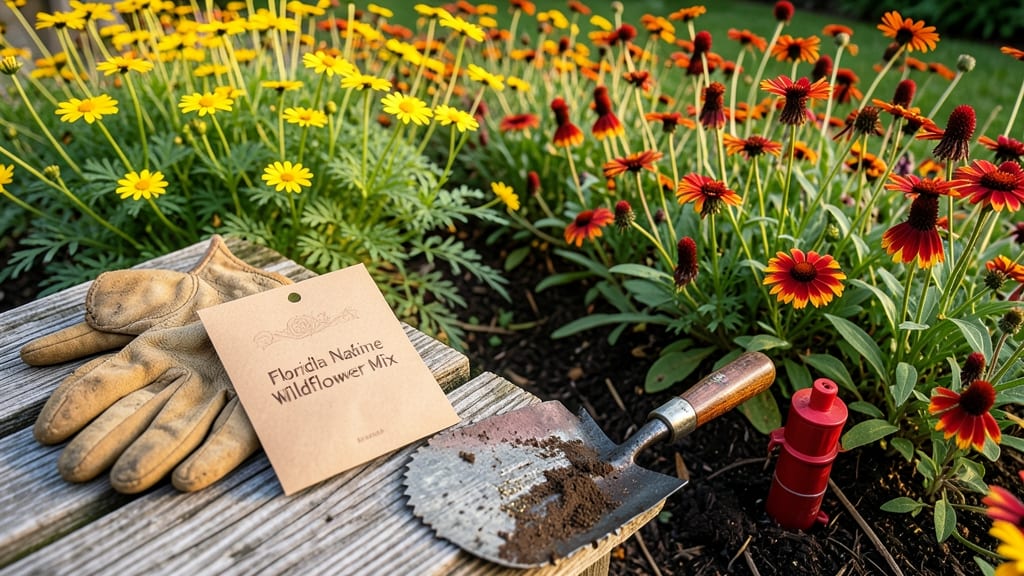
A Florida wildflower seed mix transforms your yard into a vibrant, low-maintenance ecosystem that hums with life. 🌻 I planted mine last spring and now my sunny patches burst with colors that change with every season—no watering, no fuss, just pure beauty that thrives on Florida’s heat and humidity.
The secret lies in native species like coreopsis, black-eyed Susans, and wild indigo that evolved to handle our climate. These flowers need full sun and well-draining soil, but they’ll handle our occasional droughts like champs.
Planting after the last frost in March or September gives them the best start, and a light watering keeps them happy until roots establish. By summer, you’ll see butterflies, bees, and birds flocking to your garden—more pollinators than your neighbors’ manicured lawns ever attracted.
The flowers stay lush through winter’s mildest months, and the deep roots prevent erosion while keeping weeds at bay. Works in sunny yards, medians, or even containers—just skip the shade and heavy clay. Here’s how to make it happen without the guesswork!
📚 In This Guide
- What you need
- Instructions
- Tips and common mistakes
- Wrapping up and next steps
What you need
- ● Florida Wildflower Seed Mix: 1–5 lbs (coverage depends on area size; 1 lb ≈ 1,000 sq ft for full sun, drought-resistant blends). Look for native varieties like Coreopsis, Blanket Flower, or Black-Eyed Susan.
- ● Garden Rake: Medium-sized (8–12" teeth) to loosen soil and create a fine seedbed.
- ● Lawn or Hand Mower: Set to high mowing height (3–4") to avoid scalping the grass (if overseeding).
- ● Water Source: Hose with adjustable nozzle (gentle mist setting) or sprinkler with low flow (0.5–1.0 GPM).
- ○ Optional Soil Amendment: Compost or peat moss (1–2 inches) for poor or compacted soil.
- ● Gloves: Heavy-duty gardening gloves to protect hands from prickly seeds or debris.
- ○ Broadcast Spreader (Optional): For large areas (>500 sq ft); calibrate for even distribution.
- ○ Straw or Mulch: Lightweight (¼ inch layer) to protect seeds from birds and erosion (optional but highly recommended in windy areas).
- ● Weather Check: A 5-day forecast to ensure no rain for 24–48 hours after planting.
- ● Sunlight: Full sun (6+ hours daily) is a must—wildflowers thrive where other plants struggle!
- ● Soil Prep: Loosen top ¼–½ inch of soil; remove weeds or debris.
- ● Timing: Plant in early fall (Sept–Oct) or late winter (Feb–March) to avoid summer heat.
Step-by-step guide to planting Florida wildflower seed mix
Here's how to transform your sunny Florida landscape into a vibrant wildflower haven with minimal effort.
🌱 Step 1: Prepare the Soil for Optimal Germination
Choose a sunny location receiving at least 6-8 hours of direct sunlight daily. Florida wildflowers thrive in poor, sandy soils, so no need for rich amendments. Lightly rake the area to break up compacted soil and create a fine seedbed. The goal is to expose just enough soil to allow seeds to make contact without burying them too deeply.
For best results, plant after the last frost date when soil temperatures reach 65°F or warmer. You'll know the timing is right when native wildflowers in your area begin blooming—this signals ideal conditions. Avoid planting during extreme heat or drought periods, as seeds need consistent moisture to germinate.
🌿 Step 2: Scatter Seeds Evenly Across Prepared Area
Open your Florida wildflower seed mix and pour a small amount onto your hand. The mix contains a variety of species with different seed sizes, so don't worry about perfect spacing. Simply scatter seeds by hand, working in small sections to avoid missing spots. For a 100 square foot area, you'll need about 1-2 pounds of seed mix.
Lightly rake the area again to ensure seeds make good contact with the soil. This prevents seeds from blowing away while keeping them from being buried too deeply. You'll see some seeds larger than others—this is normal as the mix contains both fine grasses and larger wildflower seeds. Water gently with a fine mist to settle seeds without disturbing their placement.
☀️ Step 3: Maintain Consistent Moisture for Germination
Keep the soil consistently moist but never soggy for the first 4-6 weeks. Water deeply 2-3 times per week, allowing the top 1 inch of soil to dry slightly between waterings. You'll know moisture is right when the soil surface looks dark but not glistening.
Use a soaker hose or drip irrigation to avoid disturbing seeds. Avoid overhead watering which can wash seeds away. Once seedlings reach 2-3 inches tall, reduce watering to once per week, letting the soil dry more between waterings. This encourages deep root growth, making plants more drought-tolerant—a key advantage of Florida wildflowers.
✂️ Step 4: Allow Natural Growth Without Interference
Resist the urge to thin seedlings—Florida wildflower mixes are designed to create dense, naturalistic plantings. Let plants grow to their natural spacing, which typically ranges from 6-18 inches apart depending on the species. You'll notice some plants grow faster than others, creating a beautiful, layered effect.
Once plants reach 6-8 inches tall, you can begin light maintenance. Remove any invasive weeds that compete with wildflowers, but leave native grasses and ground covers. These plants support the wildflower ecosystem by providing habitat for beneficial insects and birds. Mow only when flowers have finished blooming to allow seeds to disperse naturally for next year's growth.
Tips & tricks for perfect Florida wildflower plantings
Here's what I've learned after watching dozens of Florida wildflower gardens thrive—and fail—over the years.
Sunlight is Non-Negotiable: That 6-8 hours of direct sunlight requirement isn't just ideal—it's essential. I've seen wildflowers planted in partial shade struggle to bloom properly, even with perfect soil prep. If your yard has areas with less light, consider creating raised beds or containers where you can control the sunlight exposure more precisely. Morning sun is particularly beneficial in Florida's heat, as it gives plants time to recover from afternoon intensity.
Timing Secret: The 65°F soil temperature threshold is your golden window, but here's what nobody tells you—check soil temps with a thermometer at ground level, not in the shade. I planted a batch too early one spring when my thermometer read 65°F in the sun, but the shaded soil was still cooler. The seeds took twice as long to germinate. Pro tip: Plant when your local native wildflowers begin blooming—that's nature's perfect cue for Florida.
Watering Wisdom: Those 4-6 weeks of consistent moisture are critical, but the real trick is in how you water. I recommend watering in the early morning so the soil has all day to dry slightly between sessions. This prevents fungal issues while keeping roots hydrated. If you're using a sprinkler, adjust it to create a fine mist—overhead water can create mud puddles that smother seeds. A soaker hose is your best friend here, delivering water right at the soil level without disturbing what you've planted.
Maintenance Mindset: When your plants reach 6-8 inches tall, you might be tempted to mow everything short and neat. Don't! Let those wildflowers grow to their natural height—they'll attract more pollinators and create that authentic Florida meadow look. I've seen gardens where people mowed too early, and the flowers never fully opened. Wait until after blooming to trim, and even then, leave some seed heads for next year's natural reseeding.
Pro Tips for Florida Wildflower Seed Mix
- Here's what I've learned after watching dozens of Florida wildflower gardens thrive—and fail—over the years.
- Sunlight is Non-Negotiable: That 6-8 hours of direct sunlight requirement isn't just ideal—it's essential.
- Timing Secret: The 65°F soil temperature threshold is your golden window, but here's what nobody tells you—check soil temps with a thermometer at ground level, not in the shade.
Frequently asked questions
Got questions about transforming your Florida landscape with wildflowers? You’re not alone! Here are answers to the most common queries about Florida wildflower seed mixes—so you can plant with confidence.
When is the best time to plant Florida wildflower seeds?
The ideal window is late summer to early fall (August–October), when soil is warm and rainfall is plentiful. This timing helps seeds germinate before winter. For spring planting, aim for February–March, but expect slower growth until summer. Avoid planting in peak heat (June–July) to prevent seed desiccation.
How long does it take for wildflowers to bloom after planting?
Patience is key! Most Florida wildflower mixes take 6–12 weeks to germinate and 3–6 months to bloom, depending on conditions. Some varieties (like coreopsis or black-eyed Susans) may flower sooner, while others (like blanket flower) take longer. Pro tip: Thin seedlings to 6–12 inches apart for faster, fuller blooms!
Do I need to water my wildflower seeds daily?
Nope! Overwatering can drown seeds. Instead, keep soil consistently moist (not soggy) for the first 2–3 weeks, then taper to 1–2 deep waterings per week once established. Florida’s native wildflowers are drought-tolerant—once roots develop, they’ll thrive with natural rainfall. Morning watering is best to reduce evaporation.
Will wildflowers attract pests like mosquitoes or ants?
Wildflowers attract pollinators (bees, butterflies), which are great for gardens—but they don’t increase mosquito populations. Mosquitoes need stagnant water, not flowers! To deter ants, avoid planting near hardscapes (like patios) where they nest. If ants are a problem, use diatomaceous earth or natural repellents like citrus peels.
Can I mix wildflower seeds with grass seed?
Many homeowners blend wildflower seeds (10–30% of the mix) with drought-resistant grasses like bahia or bermuda for a low-maintenance, colorful lawn. Start with a small test area to monitor growth. Just avoid high-nitrogen fertilizers, which can suppress wildflowers. Bonus: This combo reduces mowing and watering!
What do I do if my seeds don’t germinate?
Don’t panic! Try these fixes:
- Check soil temp: Seeds need 60–85°F soil to germinate. Use a soil thermometer.
- Scarify the soil: Lightly rake or scratch the surface to improve seed-to-soil contact.
- Re-seed: Sprinkle fresh seeds thinly over the area and water gently.
- Patience: Some seeds (like partridge pea) germinate slowly—wait 4–6 weeks before re-evaluating.
Wrapping up and next steps
Transforming your Florida landscape into a vibrant, low-maintenance wildflower haven is easier than you think!
With a drought-resistant Florida wildflower seed mix, you’re not just beautifying your yard—you’re supporting local ecosystems while saving water and effort. 🌸💧 Whether you’re a seasoned gardener or a beginner, this mix offers resilience, color, and joy with minimal upkeep.
Ready to take the next step? Start small—try a patch in a sunny corner or along a fence—and watch your garden bloom into a pollinator paradise. Grab your seeds, follow the simple steps, and let nature do the rest! Your future wildflower meadow awaits. 🌻