
Lawn
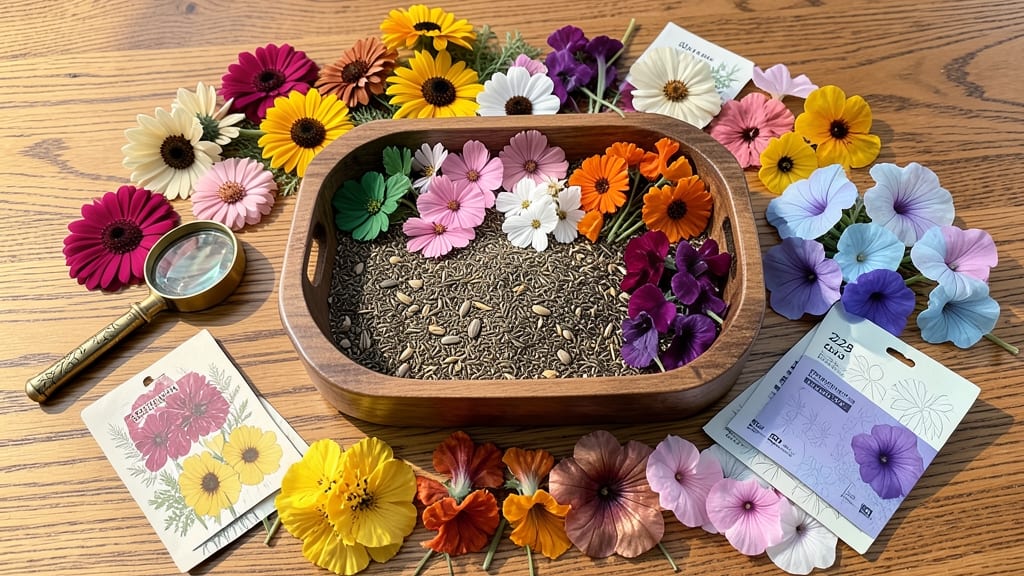
The 2025 flower seed catalogs just dropped, and this is your chance to snag varieties that'll make your garden the envy of the neighborhood. 🌸 I've been tracking the early releases, and the standout offerings this year focus on drought-tolerant perennials, extended-bloom annuals, and heirloom varieties with stunning color combinations you won't find in stores.
Here's the game-changer: ordering now means you'll get first pick of seeds before they sell out, and you can align your varieties with your local frost dates for perfect timing.
Look for catalogs that include planting charts showing when to start seeds indoors versus direct-sowing outdoors in your zone. Some even offer "early-bird" discounts if you order by January 15th.
What you'll end up with is a garden bursting with blooms from May through October, thanks to varieties carefully selected for your climate zone. Imagine walking past sunflowers that reach 6 feet tall by midsummer or petunias that bloom nonstop in heat waves.
The best catalogs also include growing tips tailored to your region, so you're not guessing about sunlight or soil needs.
Whether you're a seasoned gardener or just starting, this is the year to plan ahead. The early orders get the best selection, and you'll avoid last-minute scrambles when your favorite varieties disappear. Let's dive into how to make the most of these catalogs before they're gone!
📚 In This Guide
- What you need
- Instructions
- Tips and common mistakes
- Wrapping up and next steps
What you need
- ● 2025 Flower Seed Catalogs: At least 1-2 (for variety and comparison). Look for catalogs offering early-bird discounts!
- ● High-quality seed packets: Choose 5-10 varieties based on your climate zone (e.g., Zinnia Profusion, Sunflower 'Autumn Beauty,' or Pansy 'Cool Wave'). Opt for heirloom or organic seeds if preferred.
- ● Planting trays or seed-starting pots: 50-100 cell trays (biodegradable preferred) or 2-4" pots for seedlings.
- ● Seed-starting mix: 1-2 bags (sterilized, peat-free, and well-draining). Avoid garden soil—it’s too dense!
- ● Grow lights or sunny windowsill: A 4-6 ft. LED grow light (or a south-facing window) for 12-16 hours of light daily.
- ● Misting bottle or spray nozzle: For gentle watering without disturbing seeds.
- ● Plant labels & markers: Waterproof labels (50+) and a permanent marker to track varieties.
- ● Garden gloves: 1 pair (nitrile-coated for durability).
- ● Trowel or transplanting tool: A small hand trowel (2-3") for precision.
- ● Hardening-off tray or mesh screen: To acclimate seedlings to outdoor conditions before transplanting.
- ● Heating mat: For cold starts (especially for slow germinators like snapdragons).
- ● Humidity dome or plastic wrap: To retain moisture during germination.
- ● Fertilizer (balanced or seed-starting formula): 1 small bottle (5-10-5 or 7-7-7 NPK ratio).
- ● Soil thermometer: To monitor germination temperatures (ideal range: 65-75°F for most flowers).
- ● Notebook or garden journal: To log planting dates, varieties, and growth progress.
- ● Knee pad or small stool: For comfort during planting or transplanting.
- ● Check your last frost date: Use the Old Farmer’s Almanac to plan indoor starts 6-8 weeks before the average last frost.
- ● Review seed packet instructions: Some flowers (like marigolds) germinate faster than others (foxgloves), so adjust timing!
- ● Test your soil pH: Most flowers thrive in 6.0-7.0 pH. A simple kit (or local extension service test) helps.
- ● Order seeds early: Popular 2025 varieties may sell out fast—place orders by January for best selection!
How to choose and order early-bird flower seeds for spring
Here’s how to snag the best varieties before they sell out—and set your garden up for a showstopping season.
🌱 Step 1: Identify Your Planting Zone and Last Frost Date
Start by checking your USDA planting zone (usually 5-10) and note your average last frost date—this determines which early-bird seeds you can safely start indoors. For example, if your last frost is March 15, you’ll want seeds labeled “start indoors 8-10 weeks before transplanting” so they’re ready by late April. I always highlight this date in my catalogs with a marker so I don’t miss it.
Pro tip: Look for catalogs that include zone-specific planting charts—they’ll save you time and guesswork. If your zone is borderline, err on the side of earlier planting dates. You’ll see many catalogs list “cold-hardy” varieties like snapdragons or sweet peas as safe bets for early starts.
📖 Step 2: Compare Catalogs for Early-Bird Varieties
Focus on catalogs that specialize in heirloom or early-maturing flowers—they’ll have the best selection for spring. I prioritize three categories: cool-season annuals (like pansies or calendula), perennial flowers (such as coneflowers or black-eyed Susans), and vegetable-flower hybrids (like nasturtiums or marigolds). These tend to ship fastest and often include exclusive varieties you won’t find elsewhere.
Pay attention to shipping deadlines—most catalogs list them as “order by February 15” or similar. I set a calendar reminder a month early because popular seeds sell out in hours. Also, check for discounts on bulk orders—some catalogs offer 10-15% off if you order 5+ packets of early varieties.
✂️ Step 3: Narrow Down by Bloom Time and Height
Mix short-lived annuals (like sweet alyssum) with long-blooming perennials (like bee balm) to ensure continuous color. I like to sketch a quick garden layout, noting where taller flowers (like delphiniums) will go at the back and shorter ones (like violas) up front. This prevents last-minute rearranging once seeds sprout.
Look for “early bloom” or “fast-growing” labels in the seed descriptions—these are your best bets for spring. For example, cosmos seeds often sprout in 7-10 days and bloom in 6-8 weeks, making them perfect for early starts. Avoid varieties labeled “long-season” or “late bloom” if you’re planting early.
📦 Step 4: Place Your Order Early and Track Shipments
Order at least 4-6 weeks before your catalog’s shipping deadline—popular seeds disappear fast. I always include a handwritten note with my order (yes, really!) to ensure my seeds aren’t lost in bulk shipments. Most catalogs ship seeds via USPS Priority Mail or UPS Ground, so track your package closely—seeds can arrive in 3-7 days depending on your location.
Once your seeds arrive, store them in a cool, dry place (like a pantry) until you’re ready to plant. I label each packet with the variety name and planting date to avoid confusion. If you’re starting seeds indoors, keep them in a warm spot (70-75°F) until germination—most flower seeds sprout in 7-21 days, depending on the type.
🌿 Step 5: Plan Your Indoor Seed-Starting Setup
Gather seed-starting trays, potting mix, and grow lights (or a sunny windowsill) before your seeds arrive. I use biodegradable peat pots for easy transplanting and fill them with a sterile seed-starting mix—never garden soil, which can harbor diseases. Moisten the mix lightly before planting to encourage even germination.
Plant seeds at the depth listed on the packet (usually 2-3 times the seed’s diameter) and cover lightly with soil. Place trays under grow lights or in a south-facing window for 14-16 hours of light daily. You’ll see first sprouts in 7-14 days—that’s your signal to start thinning seedlings and preparing for transplanting outdoors after the last frost.
Tips & tricks for early-bird flower seed selection
Here's what nobody tells you about snagging the best early-season blooms before they're gone.
Zone-Specific Shortcuts: If you're in a borderline zone (like 6b-7a), lean toward cold-hardy varieties like snapdragons or sweet peas—they handle early starts better than delicate annuals. I've found that cosmos seeds (which sprout in 7-10 days) are my go-to for quick color, especially when I'm pushing the envelope with early planting. The key is to check each variety's minimum planting zone in the catalog description—this beats guessing games every time.
Catalog Hack: The February 15 shipping deadline isn't just a suggestion—it's when seed availability drops dramatically. I've learned to order by January 31 to guarantee selection, especially for heirloom varieties. Pro move: Call catalogs directly if you see a "sold out" stamp online—they sometimes have hidden stock for phone orders. Also, look for bulk discounts on 5+ packets, but only if you're committed to planting them all—those seeds won't last forever in your stash.
Germination Timing: Most flower seeds sprout in 7-21 days, but that window can shrink dramatically with proper conditions. I keep my seed trays in a warm spot (70-75°F) under grow lights for 14-16 hours daily—this consistency cuts germination time by nearly half. The trick is patience: Don't be tempted to replant if nothing appears after 10 days. Some varieties (like larkspur) take their sweet time, but they'll come when they're ready.
Storage Wisdom: Once your seeds arrive, store them in a cool, dry place (like a pantry) in their original packets to preserve freshness. I've ruined batches by storing them in humid basements—condensation is the enemy of seed viability. For extra insurance, add a silica gel packet to your seed storage box. And here's a game-changer: Label each packet with the variety name and planting date—trust me, you'll thank yourself when you're staring at 20 unlabeled packets next spring.
Pro Tips for Flower Seed Catalogs 2025
- Here's what nobody tells you about snagging the best early-season blooms before they're gone.
- Zone-Specific Shortcuts: If you're in a borderline zone (like 6b-7a), lean toward cold-hardy varieties like snapdragons or sweet peas—they handle early starts better than delicate annuals.
- Catalog Hack: The February 15 shipping deadline isn't just a suggestion—it's when seed availability drops dramatically.
Frequently asked questions
Got questions about ordering flower seeds from the 2025 catalogs? You’re not alone! Here are answers to the most common queries to help you plan like a pro.
When should I order flower seeds for spring planting?
Order your seeds 6–8 weeks before your last frost date—typically late winter or early spring (e.g., February–March for most U.S. zones). Early-bird varieties in 2025 catalogs often ship faster, so don’t wait until April! Check your zone’s frost dates for precision.
Can I still get rare or heirloom seeds if I wait until spring?
Some rare or limited-edition seeds may sell out fast—especially in 2025, with high demand for drought-resistant and pollinator-friendly varieties. Order now to secure your favorites! Catalogs often list stock levels, so prioritize seeds marked “early release” or “limited quantity.”
Are there discounts for ordering early or in bulk?
Many 2025 catalogs offer early-bird discounts (10–20% off) for orders placed by January or February. Bulk seed packs (e.g., 50+ packets) also qualify for savings. Compare deals—some retailers bundle seeds with tools or free shipping for larger orders.
How do I know if a seed variety will thrive in my climate?
Look for USDA Hardiness Zone labels on seed packets or catalog descriptions. For example, sunflowers thrive in Zones 2–11, while impatiens prefer Zones 10–11. Pro tip: Use the USDA Plant Hardiness Map to double-check your zone!
What if my seeds arrive late or don’t germinate?
Most reputable catalogs guarantee on-time shipping or replacements. If seeds fail to sprout, check germination rates (listed on packets) and try soaking seeds overnight or adjusting soil moisture. Contact customer service—they’ll often replace seeds or offer store credit.
Are there eco-friendly or organic seed options in 2025 catalogs?
Many 2025 catalogs highlight non-GMO, organic, and heirloom seeds, often labeled clearly. Look for certifications like OMRI Listed (organic) or Seed Savers Exchange varieties. These support biodiversity and often come with detailed growing guides for sustainable practices.
Still unsure? Browse catalogs’ customer reviews or ask their seed experts—most are happy to help you pick the perfect blooms for your garden!
Wrapping up and next steps
The 2025 flower seed catalogs are your gateway to a vibrant, blooming future—packed with rare varieties, climate-smart choices, and early-spring planting perks. Whether you're drawn to heirloom charm or drought-resistant wonders, these catalogs make it easier than ever to curate a garden that thrives. Now’s the time to act!
🌱 Next step: Browse your favorite catalogs, mark your must-haves, and start planning your dream garden layout. Your future blooms are just a seed away!