
Size
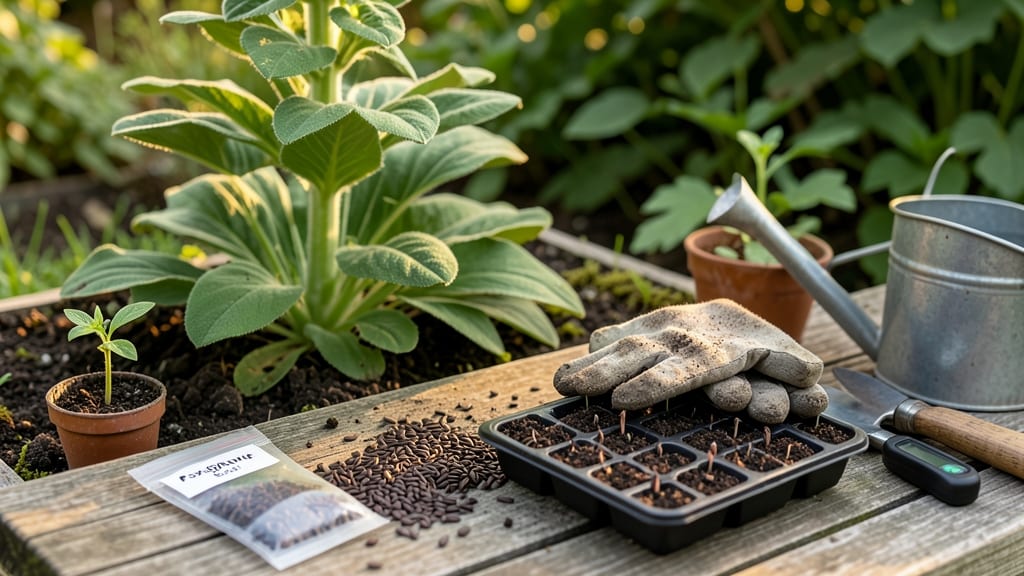
Growing foxglove seed in a garden means unlocking those iconic bell-shaped blooms without buying expensive plants. 🌿 The trick is patience—these seeds need just the right conditions to break their dormancy, but once they do, you’ll have towering spikes of purple, pink, or white flowers for years.
My first batch took three months to germinate, but now I have foxglove self-seeding everywhere. Start with fresh seeds (they lose viability fast) and a well-draining mix of peat and perlite.
Plant them ¼-inch deep in a tray, keep the soil consistently moist (not soggy), and place them in bright, indirect light—direct sun can dry them out before they sprout. A clear plastic dome or plastic wrap helps maintain humidity while they wait.
Germination is the hardest part, but once those first leaves appear, you’ll see strong, dark green seedlings within 4-8 weeks. Transplant them outdoors after the last frost, spacing them 18-24 inches apart in partial shade.
They’ll reward you with 6-foot-tall spikes by mid-summer—just don’t let them go to seed too early or you’ll lose their unique charm.
Here’s where most gardeners trip up: foxglove seeds won’t germinate if they’re too dry or too hot. If you’ve planted them and nothing happens in 6-8 weeks, try soaking the tray in warm water for an hour, then replanting.
Once established, they’re drought-tolerant but bloom best with regular watering during dry spells. The real magic happens in year two—foxglove plants grow stronger each season, and if you leave the seed pods on a few stalks, you’ll get free seedlings next spring.
Just be patient; these aren’t fast growers, but the payoff is worth it.
📚 In This Guide
- What you need
- Instructions
- Tips and common mistakes
- Wrapping up and next steps
What you need
- ● Foxglove seeds: 1–2 packets (50–100 seeds per packet; choose heirloom or native varieties for best results).
- ● Seed-starting mix: 1–2 gallons of sterile, well-draining potting soil (look for a blend labeled for seed starting).
- ● Seed trays or small pots: 2–4 (2–3 inches deep) with drainage holes. Pro tip: 💡 Use biodegradable peat pots to avoid transplant shock!
- ● Grow lights or sunny windowsill: A 12–16 hour daily light source (foxglove loves light but hates direct midday sun when young).
- ● Spray bottle: For gentle watering (avoid soaking the soil).
- ● Plastic wrap or humidity dome: To retain moisture during germination.
- ○ Fertilizer (optional but helpful): A balanced, water-soluble fertilizer (5-10-5 ratio) for seedlings.
- ● Garden bed or larger pot: 1–2 (12+ inches deep) for mature plants. Foxglove thrives in partial shade (4–6 hours of sun daily).
- ● Well-draining soil: Amend garden soil with compost (1 part compost to 3 parts soil) for optimal growth.
- ● Mulch: 1–2 inches of organic mulch (straw or shredded leaves) to retain moisture and suppress weeds.
- ● Patience! 🐢 Foxglove seeds can take 2–4 weeks to germinate and 2 years to flower.
- ● Seedling heat mat (to speed up germination in cool climates).
- ● Label markers (foxglove varieties can look similar!).
- ● Pruning shears (for deadheading spent blooms to encourage more flowers).
- ● Garden gloves (foxglove leaves contain cardiac glycosides—wear gloves when handling!).
Step-by-Step guide to growing foxglove from seed
Here's how to coax these striking biennials from seed—no twisting pods required.
🌱 Step 1: Prepare Seeds for Optimal Germination
Foxglove seeds have a natural dormancy that prevents premature sprouting. To break this cycle, I soak the seeds in lukewarm water for 24 hours before planting. Place them in a small bowl or mesh bag and let them sit undisturbed—this softens the hard seed coat and jumpstarts germination.
After soaking, gently rub the seeds between two pieces of sandpaper or a clean cloth to further scratch the outer shell. This mimics natural wear from wind and wildlife, signaling to the seed that conditions are right to grow. You'll know it's working when the outer coating appears slightly roughened—no need to damage the seed itself.
🪴 Step 2: Sow Seeds in Well-Draining Soil Mix
Fill small seed trays or individual pots with a light, well-draining mix—I blend equal parts peat moss and perlite for airy roots. Press the soil down lightly to create a firm base, then scatter the prepped seeds on the surface. Foxglove seeds are tiny, so I use a toothpick to place them ¼ inch apart.
Cover the seeds with a thin layer of fine vermiculite (about ⅛ inch deep) to retain moisture without smothering them. Mist the surface gently with water until the mix feels evenly damp but not soggy. A spray bottle prevents dislodging seeds while ensuring consistent moisture.
☀️ Step 3: Provide Consistent Moisture and Indirect Light
Place the trays in a warm, bright spot with indirect light—a north-facing window or under grow lights set to 12-14 hours daily. Foxglove seeds germinate best at 65-70°F, so a seedling heat mat helps if your home runs cooler. Keep the soil surface consistently moist by misting every 2-3 days.
Germination can take 3-6 weeks, so patience is key. You'll spot the first true leaves—small, rounded cotyledons—as a sign that roots are establishing. Avoid moving the tray once seeds are sown; even slight disturbances can delay germination. If condensation forms on the dome or cover, lift it briefly to air out.
🌿 Step 4: Transplant Seedlings to Larger Pots
Once seedlings reach 2-3 inches tall and develop 4-6 true leaves, it's time to transplant. Choose 4-inch pots with drainage holes and fill them with a mix of 50% potting soil and 50% compost. Gently remove each seedling by grasping the base of the stem, not the leaves, to avoid damage.
Plant each seedling 1 inch deep in its new pot, firming the soil around the roots to eliminate air pockets. Water thoroughly until moisture runs from the drainage holes, then place the pots in a shaded area for 3-5 days to reduce transplant shock. After this period, gradually reintroduce them to brighter light.
⏰ Step 5: Harden Off and Transition to Outdoor Conditions
Two weeks before your last frost date, begin hardening off seedlings by placing them outdoors in a sheltered spot for 1-2 hours daily. Choose a location with partial shade to protect tender foliage. Gradually increase their outdoor time over 10-14 days, eventually leaving them out overnight.
Foxglove thrives in partial shade to full sun, but young plants need time to acclimate. You'll notice stronger stems and deeper green leaves as they adjust. Plant them in the garden after all danger of frost has passed, spacing them 12-18 inches apart to allow for mature growth.
Tips & tricks for growing foxglove from seed
Real talk: Foxglove seeds are finicky little things, but these tricks will help you break through their stubborn dormancy and grow thriving plants. The key is patience and precision at every stage.
Seed Prep Secret: For Step 1, use a mesh bag instead of a bowl to soak your seeds—it creates better airflow and prevents mold. After the 24-hour soak, I like to place the seeds between two layers of damp paper towel for an extra 12 hours before scratching. This gives them a head start while mimicking natural moisture cycles they'd experience in the wild. The slight roughening you're aiming for should look like tiny sandpaper grains under magnification.
Soil Mix Strategy: In Step 2, don't be tempted to use regular potting soil—foxglove roots need that airy mix of peat moss and perlite. I add a handful of coarse sand to my mix for even better drainage. When pressing the soil down, use the back of a spoon to create a firm base without compacting it too tightly. This gives those tiny roots room to establish without fighting resistance.
Germination Environment: The 65-70°F temperature range in Step 3 is critical, but don't worry if your home runs cooler. A simple seedling heat mat under your trays will maintain perfect conditions without needing a greenhouse. For light, I've found that placing trays on a bookshelf under my grow lights works better than windowsills—it gives consistent 12-14 hours of light without hot spots. Watch for condensation buildup and lift covers briefly if you see droplets forming.
Pro Tips for Foxglove Seed Grow A Garden
- Real talk: Foxglove seeds are finicky little things, but these tricks will help you break through their stubborn dormancy and grow thriving plants.
- Seed Prep Secret: For Step 1, use a mesh bag instead of a bowl to soak your seeds—it creates better airflow and prevents mold.
- Soil Mix Strategy: In Step 2, don't be tempted to use regular potting soil—foxglove roots need that airy mix of peat moss and perlite.
Frequently asked questions
Got questions about growing foxglove from seed? We’ve got answers!
Whether you're a beginner or a seasoned gardener, these FAQs will help you navigate the twists and turns of cultivating this stunning perennial.
When is the best time to plant foxglove seeds?
Foxglove seeds thrive when sown in early spring (after the last frost) or late summer. Direct sowing in spring works best, but you can also start seeds indoors 6–8 weeks before the last frost for a head start. Cold stratification (chilling seeds for 4–6 weeks) improves germination rates—just pop them in a sealed bag in the fridge!
How long does it take for foxglove seeds to germinate?
Germination can be slow and unpredictable, often taking 3–6 weeks (or even longer!). Patience is key—keep the soil consistently moist and warm (around 65–75°F) to encourage sprouting. Thin seedlings to 12–18 inches apart once they’re 4–6 inches tall to avoid overcrowding.
Why aren’t my foxglove seeds germinating?
Foxglove seeds are notorious for being fussy. Common culprits include:
- Old seeds: Viability drops after 1–2 years—use fresh seeds for best results.
- Poor soil: They prefer well-draining, slightly acidic soil (pH 6.0–7.0). Mix in compost or peat moss if needed.
- Temperature swings: Seeds need consistent warmth—avoid planting in fluctuating spring temps.
- Lack of light: Keep seedlings in bright, indirect light until they’re hardened off.
Can I grow foxglove from store-bought flowers?
Yes, but it’s hit or miss! Foxglove seeds from fertilized flowers (the ones with twisted pods) are viable, but many seeds may not germinate. Collect pods when they’re brown and dry, then sow them fresh or store in a cool, dry place. For guaranteed results, buy fresh seeds from a reputable supplier.
Are foxglove plants toxic to pets or children?
Yes, foxglove (Digitalis purpurea) is highly toxic
if ingested—it contains cardiac glycosides that can cause severe illness or even death in pets and kids. Keep plants out of reach and wear gloves when handling. If accidental exposure occurs, contact a vet or poison control center immediately. Opt for pet-safe alternatives like hollyhocks or snapdragons if safety is a concern.
What’s the easiest way to propagate foxglove?
While seeds are the most common method, division is easier for established plants. Dig up clumps in early spring or fall, separate the roots gently, and replant sections 12–18 inches apart. Foxglove also spreads via self-seeding, but remove excess seedlings to prevent overcrowding. Avoid cutting stems—foxglove rarely roots from cuttings!
Wrapping up and next steps
Growing foxglove from seed is a rewarding journey that adds whimsical beauty and year-round interest to your garden. With the right techniques—like harvesting twist-free pods and nurturing seedlings—you’ll soon enjoy tall, striking blooms that thrive in partial shade.
Don’t let challenges discourage you; patience and care will turn your efforts into a stunning, low-maintenance garden centerpiece.
Ready to take the next step? Start small—plant a few seeds this season and refine your approach as you go. Before you know it, your garden will be a haven for pollinators and a showstopper for visitors! 🌸