
Lawn
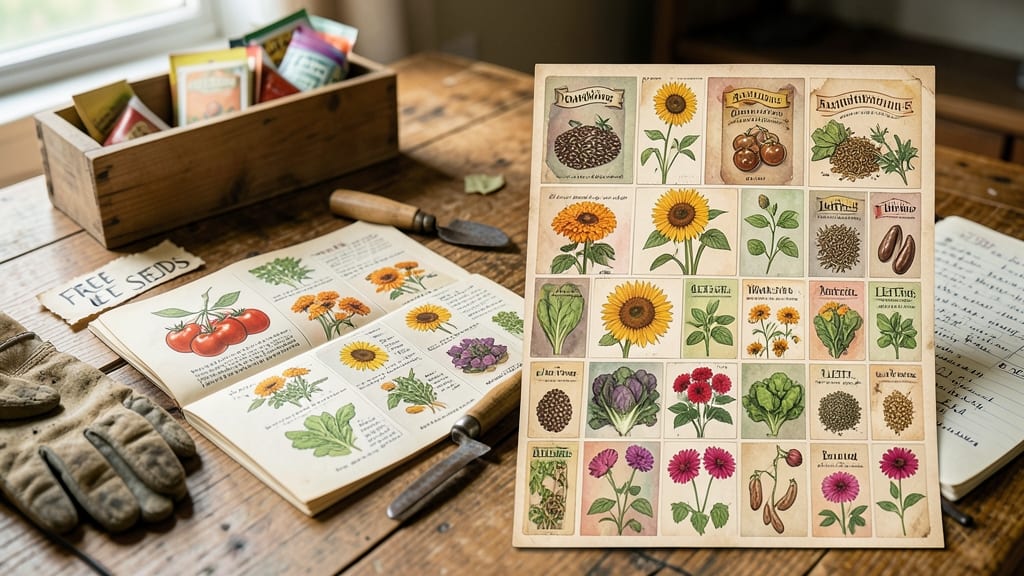
Free garden seed catalogs are your secret weapon for planning a garden that’s packed with seasonal variety—and you don’t have to wait for spring to start dreaming. 🌱 I’ve saved hundreds over the years by using these free resources, which let you compare heirlooms, disease-resistant hybrids, and regional favorites without spending a dime.
Most reputable seed companies offer free catalogs online or by mail—think Burpee, Baker Creek, and Johnny’s Selected Seeds—and they include planting charts, growing tips, and even climate zone recommendations. The best part? You can request multiple catalogs to compare varieties side by side before making decisions.
What you’ll get is a clear roadmap for your garden: when to start seeds indoors, how to space plants, and which varieties thrive in your area. No more guessing which tomatoes will ripen before the first frost or which flowers attract the most pollinators.
Pro tip: Bookmark these catalogs early—some offer exclusive varieties or early-bird discounts. And if you’re new to seed saving, they often include storage tips to keep your seeds viable for years. Ready to plan your dream garden?
📚 In This Guide
- What you need
- Instructions
- Tips and common mistakes
- Wrapping up and next steps
What you need
- ● Computer, tablet, or smartphone: With internet access for browsing seed catalogs.
- ○ Printer (optional but helpful): If you prefer physical copies of seed lists or planting schedules.
- ● Notebook or planner: To jot down seed varieties, planting dates, and garden layouts.
- ● Highlighters or sticky notes: For marking favorites in digital or printed catalogs.
- ● Mailing address (if ordering free seeds): Some catalogs offer free seed samples—just check for shipping requirements!
- ● Garden journal or app: To track seed sources, germination dates, and growth progress.
- ● Seed starting supplies: Seed trays or biodegradable pots (10–20 units, depending on your scale).
- ● Potting soil (sterilized, 1–2 bags).
- ● Grow lights or a sunny windowsill (for indoor starts).
- ● Garden layout tools: Graph paper or a garden planning app.
- ● Measuring tape (for spacing plants correctly).
- ● Local gardening resources: Extension service contacts (for climate-specific advice).
- ● Community garden groups (for seed swaps or shared catalogs).
How to access free garden seed catalogs for seasonal planning
Skip the waitlist and get your hands on free seed catalogs that bring variety to your garden.
🌱 Step 1: Identify Trusted Free Seed Sources
Start with reputable organizations that offer free seed catalogs—no purchase required. Seed libraries, nonprofit groups, and local agricultural extensions often provide these resources. I always check the National Garden Bureau and Burpee’s free seed catalog first, as they offer diverse varieties and clear seasonal guides.
Don’t overlook university extension programs; many state agricultural departments distribute free catalogs tailored to your region’s climate. These often include heirloom and rare varieties that aren’t always available commercially. Bookmark a few sources now so you can return when planning your next season.
📬 Step 2: Request Catalogs Online or by Mail
Most free seed catalogs are available through simple online requests or by mailing in a postcard. For example, Burpee and Johnny’s Selected Seeds often have digital catalogs you can download instantly. Fill out the form with your name, address, and email—some even ask for your USDA hardiness zone to recommend suitable varieties.
If you prefer physical copies, send a postcard (no stamp needed) to companies like Baker Creek Heirloom Seeds or Seed Savers Exchange. They’ll mail you a catalog with no obligation to buy. I’ve found that physical catalogs are especially helpful for visual learners—flipping through pages sparks ideas for new plant combinations.
☀️ Step 3: Organize Catalogs by Season and Region
Once you’ve gathered your catalogs, sort them by planting season—spring, summer, fall, or winter—based on your local frost dates. Highlight varieties that thrive in your USDA zone and note their maturity days. For instance, a tomato variety with a 60-day maturity won’t work if your growing season is only 90 days long.
I like to create a simple spreadsheet with columns for variety name, days to harvest, sunlight needs, and notes on disease resistance. This keeps everything organized and makes it easy to cross-reference when planning your garden layout. Don’t forget to circle varieties that are open-pollinated or heirloom—these are great for saving seeds year after year.
🌿 Step 4: Compare Varieties and Narrow Down Choices
Now’s the time to compare notes across catalogs. Look for unique traits like drought tolerance, pest resistance, or unusual colors that stand out. I often cross-reference catalogs to find rare varieties that only one or two companies offer—like a purple okra or a black Krim tomato. Jot down the seed companies’ contact info so you can order later.
Pay attention to seed-saving tips included in the catalogs. Some varieties are easier to save than others, and catalogs often note whether a plant is self-pollinating or requires hand-pollination. This is especially useful if you’re new to seed saving or want to reduce costs in future seasons.
⏰ Step 5: Plan Your Order and Save for Next Season
Once you’ve narrowed down your choices, make a list of the varieties you want to grow. Check each catalog’s ordering deadlines—some have early-bird discounts or limited quantities for popular seeds. I always set a reminder for January or February, when most catalogs start accepting orders, to avoid missing out on the best selections.
Save your catalogs in a folder or binder for future reference. You’ll likely find new varieties each year, and having past catalogs makes it easy to track what worked—and what didn’t—in your garden. This way, you’re not just planning for one season but building a long-term strategy for variety and success.
Tips & tricks for maximizing your free garden seed catalogs
Here's how to make the most of your free seed catalogs without missing a beat.
Source Verification: Always double-check the credibility of seed sources in Step 1. I've found that university extension programs often have the most region-specific advice—call ahead to confirm their catalog availability. Look for organizations with clear return policies in case you receive duplicates or outdated varieties. This extra step saves time when you're ready to order in January or February.
Digital vs. Physical Catalogs: For Step 2, I recommend downloading digital versions first to compare offerings before requesting physical copies. Digital catalogs often include searchable databases that let you filter by maturity days or sunlight needs—perfect for cross-referencing with your USDA zone. Save physical catalogs for visual inspiration when planning your garden layout later.
Organization System: In Step 3, take it a step further by color-coding your catalogs by season. Use sticky notes to mark your USDA zone and frost dates on each catalog's cover. I keep a separate tab for heirloom varieties since they often have different growing requirements. This visual system makes it easy to spot gaps in your planting schedule at a glance.
Long-Term Planning: When comparing varieties in Step 4, create a "wish list" section in your spreadsheet. Include columns for "first-year try" and "future seasons" to track which varieties you want to experiment with. I've found that noting which seeds are open-pollinated helps me plan for seed saving from the start—this saves money in subsequent years.
Pro Tips for Free Garden Seed Catalogs
- Here's how to make the most of your free seed catalogs without missing a beat.
- Source Verification: Always double-check the credibility of seed sources in Step 1.
- Digital vs.
Frequently asked questions
Got questions about snagging free garden seed catalogs? You’re in the right place! Here are answers to the most common queries—so you can start planning your green thumb adventures without a hitch.
Where can I find free garden seed catalogs?
Free seed catalogs often come from extension offices, seed-saving groups, or nonprofit organizations like Seed Savers Exchange. Check local libraries, Facebook gardening groups, or even USDA’s Plant Materials Centers—they sometimes offer free seeds too!
When is the best time to order seeds from a catalog?
Timing depends on your climate! For cool-season crops (like lettuce or peas), order in early spring (Feb–March). Warm-season (tomatoes, peppers) should arrive by late winter (Jan–Feb). Pro tip: Start indoors 6–8 weeks before the last frost!
Are free seed catalogs really worth it, or should I just buy seeds?
Free catalogs are a goldmine for variety—especially heirloom or rare seeds you won’t find at big-box stores. That said, if you’re short on time, discount seed swaps or bulk seed sales (like at local farmers' markets) are great mid-range alternatives.
What if the seeds I get don’t grow well?
Troubleshoot first! Check light, soil, and water—most seed issues stem from poor germination conditions. If seeds fail, test viability by soaking a few in water (they should sink). For persistent problems, contact the seed provider—many offer replacements or tips!
Can I request specific seeds from free catalogs?
It depends! Some public catalogs (like those from universities) list pre-selected varieties, while others let you customize requests. Email or call ahead to ask—politeness goes a long way!
Wrapping up and next steps
Discovering free garden seed catalogs is your gateway to a vibrant, cost-effective gardening journey—no waiting or premium fees required! From heirloom tomatoes to drought-resistant blooms, these seasonal treasures let you grow your dreams without breaking the bank.
Whether you're a novice or a green-thumb pro, the right seeds and a little patience can transform your backyard into a thriving oasis.
Ready to plant the seeds of success? Start by browsing your favorite catalogs, jot down your top picks, and mark your calendar for planting season. Happy gardening—your future harvest is waiting! 🌱🌿