
Planting
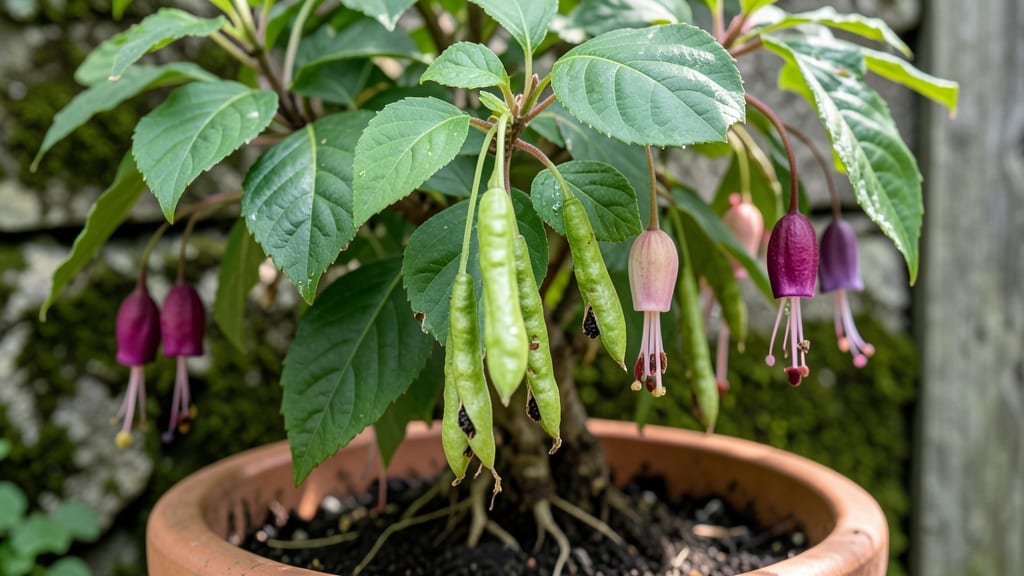
Fuchsia seed pods hold the secret to growing your own plants for free—if you know how to handle them right. 🌸 I’ve cracked the code after years of trial and error with those tricky, twisty pods that crumble when you least expect it.
The key? Gentle extraction, proper timing, and a little patience to unlock seeds that germinate like magic.
You’ll need just a few simple tools: sharp scissors (not your fingers!), a paper bag for collection, and a warm, bright spot for germination. Most people skip the drying step, which ruins viability—those seeds need to cure properly before planting.
Once you master the twist-free technique, you’ll have a steady supply of fuchsias that thrive even better than nursery plants.
The payoff comes in 6-8 weeks when tiny seedlings emerge with the same vibrant colors as their parents. These plants grow faster than cuttings, resist common fuchsia diseases better, and let you experiment with rare varieties without breaking the bank.
The secret’s in the timing—harvest pods when they’re just starting to split open, not when they’re dry and brittle.
Works for both hanging and upright fuchsias, and the method scales from one plant to a whole garden. Here’s how to do it without losing a single seed to frustration—or the birds.
📚 In This Guide
- What you need
- Instructions
- Tips and common mistakes
- Wrapping up and next steps
What you need
- ● Mature fuchsia plants: Ensure they’ve produced fully ripe seed pods (typically green turning brown or slightly papery). Aim for 3–5 healthy plants for a good seed yield.
- ● Seed pods: Collect 10–20 pods (or more if your plants are prolific!). Harvest when they’re dry and crispy but not split open.
- ● Paper bags or envelopes: 1–2 brown paper lunch bags (or seed envelopes) for pod storage. Label them!
- ● Scissors or pruning shears: 1 pair (sterilized with rubbing alcohol) to snip pods cleanly.
- ● Rubbing alcohol (70% isopropyl): Small bottle for sterilizing tools.
- ● Glass jar with lid: For short-term seed drying (if pods aren’t fully dry yet).
- ● Fine-mesh strainer: To separate seeds from chaff gently.
- ● Desiccant pack: 1–2 silica gel packs (for long-term storage in airtight containers).
- ● Pencil or label maker: To mark seed packets with plant variety and date.
- ● Magnifying glass: For inspecting seeds for mold or pests before storage.
- ● Patience: Seed pods take 4–6 weeks to mature after flowering!
- ● Dry conditions: Harvest pods on a sunny, dry day to prevent mold.
- ● Clean workspace: Lay down newspaper or a tray to avoid seed loss.
- ● Knowledge of your fuchsia variety: Some hybrids don’t breed true—research if you want identical offspring.
Step-by-Step guide to harvesting fuchsia seeds without twisting the pods
Here’s how I collect healthy fuchsia seeds every year—no broken stems or wasted pods.
🌱 Step 1: Identify and Select Ripe Seed Pods
Wait until the pods turn a deep brown color and feel slightly papery to the touch. Green or firm pods aren’t ready—they’ll either be too wet or still developing seeds. I like to check pods in the morning after dew has dried, as moisture can make them stickier and harder to handle.
Gently squeeze the pod between your thumb and forefinger. If it gives slightly but doesn’t squish like an overripe tomato, it’s perfect for harvesting. Avoid pods that feel mushy or leak any liquid—those are past their prime and won’t yield viable seeds.
💧 Step 2: Detach Pods Without Damaging the Stem
Use a pair of clean, sharp scissors to snip the stem just above where the pod meets the flower stalk. Cutting too close to the main stem risks damaging new growth, while leaving too much stem attached can introduce rot. I angle the scissors slightly downward to avoid crushing the pod itself.
Place the harvested pods in a paper bag (not plastic—condensation ruins seeds). Label the bag with the fuchsia variety and date, since some seeds stay viable for years while others lose potency within months. Store them in a cool, dry place until ready to process.
✂️ Step 3: Open Pods and Extract Seeds Gently
Once the pods are completely dry (usually 1-2 weeks after harvesting), lay one on a cutting board and gently squeeze the sides. The pod should split open naturally—if it resists, let it dry another day. Inside, you’ll find tiny, flattened seeds surrounded by fluffy fibers (the plant’s natural packing material).
Use your fingers to separate the seeds from the fibers, then transfer them to a small envelope or seed-saving container. Avoid shaking or blowing out the seeds—this can damage the delicate seed coats. I like to count them out one by one to ensure I’m not missing any hidden in the fibers.
🪴 Step 4: Store Seeds for Future Planting
Place the envelope in a zip-top bag with a silica gel packet (the kind that comes in shoe boxes) to absorb excess moisture. Seal the bag tightly and store it in the refrigerator’s crisper drawer—this mimics natural winter dormancy and keeps seeds viable for 2-3 years. Never freeze fuchsia seeds; the cold can crack their protective coating.
Before planting, test a few seeds by pressing them between two sheets of damp paper towel. If they sprout within 10-14 days at 70°F, the rest of the batch is ready to sow. Discard any seeds that fail this quick viability check—they’ll likely produce weak or no seedlings.
Tips & tricks for perfect fuchsia seed pod harvesting
Here’s how to avoid common pitfalls and maximize your seed yield—no wasted effort or broken stems.
Pod Selection Secret: The morning after dew dries is the best time to check pods. Moisture makes them stickier and harder to handle, while dry pods are easier to assess for ripeness. I look for that deep brown color and slight papery texture—it’s the only reliable indicator of readiness. If you’re unsure, squeeze gently: the perfect pod gives slightly but doesn’t squish like overripe fruit.
Cutting Technique: When detaching pods in Step 2, angle your scissors downward at a 45-degree angle to avoid crushing the pod itself. This small adjustment prevents damage that could reduce seed viability. I also recommend using small, sharp scissors—they give you better control than larger pruners, especially when working close to delicate stems.
Drying Strategy: For Step 3, let pods dry completely in a single layer on a paper towel-lined tray. If you stack them, they’ll trap moisture and take longer to dry. I place mine in a warm, dry spot (like a sunny windowsill) for the 1-2 weeks needed. Watch for the pod to split open naturally—if it resists after two weeks, let it dry another day. Never rush this step; proper drying ensures seed quality.
Seed Viability Test: Before storing your seeds, always test a few using the damp paper towel method. Place seeds between two damp paper towels in a sealed bag at 70°F. If they sprout within 10-14 days, your batch is ready for long-term storage. This quick check saves you from planting weak seeds that might not germinate properly later. I test at least 5 seeds to get a reliable reading.
Pro Tips for Fuchsia Plant Seed Pods
- Here’s how to avoid common pitfalls and maximize your seed yield—no wasted effort or broken stems.
- Pod Selection Secret: The morning after dew dries is the best time to check pods.
- Cutting Technique: When detaching pods in Step 2, angle your scissors downward at a 45-degree angle to avoid crushing the pod itself.
Frequently asked questions
Got questions about harvesting fuchsia seed pods?
You’re not alone! Here are the most common queries—plus straightforward answers—to help you master the process like a pro.
When are fuchsia seed pods ready to harvest?
Seed pods mature after the flowers fade and the petals drop. Aim to harvest them 3–6 weeks later when they turn woody, split open slightly, or develop a papery texture. Wait too long, and seeds may scatter or lose viability. Pro tip: Gently squeeze a pod—if it releases seeds easily, it’s ready!
What if my seed pods dry out but don’t split open?
Some fuchsia varieties (like Fuchsia magellanica) have stubborn pods. If they refuse to crack, pop them open manually with tweezers or a small knife. Store the seeds in a paper envelope in a cool, dry place for up to 6 months. Troubleshooting: Overripe pods may mold—harvest earlier next time!
Can I save seeds from hybrid fuchsias?
Hybrid fuchsias (e.g., Fuchsia × hybrida) often won’t produce true-to-type seeds. However, you can still try! Collect seeds for fun or experimentation, but expect unpredictable results. For consistent traits, propagate from cuttings instead. Alternative: Buy seeds from reputable nurseries labeled as "open-pollinated."
Why are my seed pods getting eaten or damaged?
Pests like aphids, slugs, or rodents love fuchsia pods. Protect them with row covers, neem oil, or diatomaceous earth. For slugs, set up beer traps nearby. If pods are already damaged, harvest undamaged seeds immediately—they’re still viable! Prevention tip: Keep soil moist but not soggy to deter pests.
How long do fuchsia seeds stay viable for planting?
Fresh fuchsia seeds germinate best within 1–2 months of harvest. After that, viability drops. Store them in a sealed envelope in the fridge (not freezer) for up to 1 year. For best results, plant them as soon as pods mature—they’re light-sensitive and need warmth to sprout!
Wrapping up and next steps
Harvesting fuchsia plant seed pods doesn’t have to be a twisty, messy ordeal—with the right tools and techniques, you can collect viable seeds year after year with ease! 🌱 Whether you’re a seasoned gardener or just starting out, these methods ensure healthy seeds and thriving plants.
Now that you’re equipped with the know-how, why not give it a try?
Ready to grow your own fuchsias? Start by selecting the most vibrant pods from your plants, and soon you’ll be enjoying a new generation of blooms—all thanks to your seed-saving skills! 🌸