
Propagation
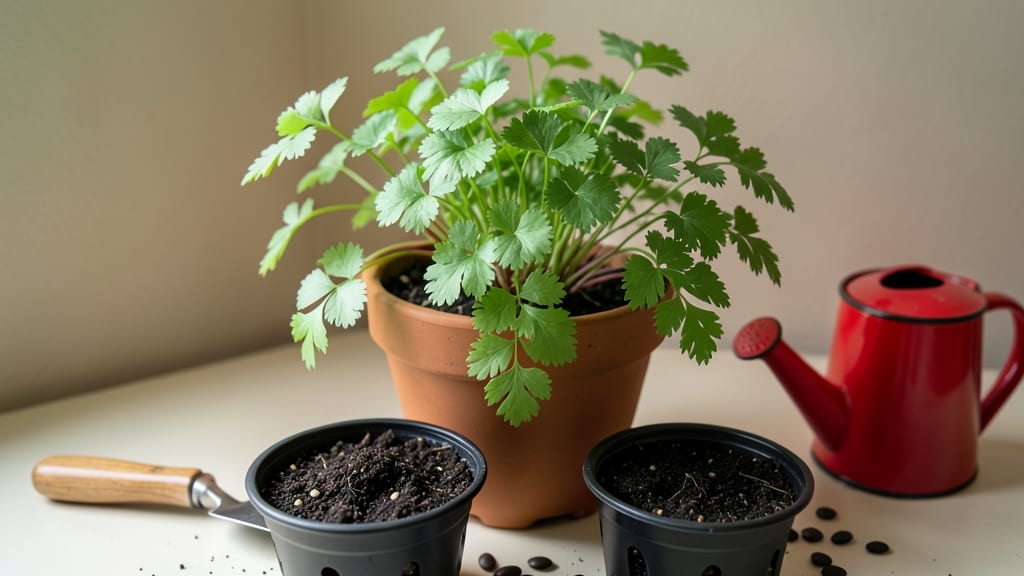
Growing cilantro from seed in pots is my secret weapon for fresh herbs year-round—no more bolting before harvest. 🌱 The trick starts with the right soil mix and planting depth, which I learned after watching three batches bolt before they even sprouted.
You’ll need a 6-inch pot, well-draining potting mix, and a sunny windowsill or grow light. Plant seeds just ¼-inch deep, keep soil consistently moist (not soggy), and place in 6-8 hours of sunlight daily.
Germination happens in 7-14 days, but patience pays off—skipping this step is how most gardeners end up frustrated.
What you’ll get is tender, fragrant cilantro ready to harvest in 3-4 weeks, with enough leaves for multiple recipes. The key to avoiding bolting? Regular harvesting and partial shade if temperatures climb above 75°F. Even my black thumb can’t kill these with this method.
Works perfectly for balconies, kitchens, or patios—just rotate pots weekly for even growth. Here’s how to keep yours thriving season after season without the usual headaches.
📚 In This Guide
- What you need
- Instructions
- Tips and common mistakes
- Wrapping up and next steps
What you need
- ● Cilantro seeds: ½ to 1 teaspoon (about 20–40 seeds) of organic, non-GMO cilantro seeds (look for Coriandrum sativum on the packet).
- ● Containers: 4–6 inch diameter pots with drainage holes (or a seed tray with individual cells). Materials: Terracotta, plastic, or fabric pots (terracotta helps prevent bolting!).
- ● Potting mix: 1–2 quarts of lightweight, well-draining seed-starting mix or a blend of 50% coco coir + 50% perlite or vermiculite.
- ● Watering can or spray bottle: A gentle spray option to avoid disturbing seeds.
- ● Grow lights or sunny windowsill: A south-facing window (6+ hours of sunlight) or a LED grow light (12–16 hours/day) for indoor setups.
- ○ Plastic wrap or humidity dome: A small piece of clear plastic wrap or a seedling heat mat (optional but speeds up germination).
- ● Seedling heat mat: Keeps soil warm (70–80°F) for faster germination.
- ● Fertilizer: A balanced liquid fertilizer (5-5-5 or 10-10-10) diluted to half-strength for transplanting.
- ● Drip tray or saucer: To catch excess water and keep your space tidy.
- ● Twine or plant ties: If your cilantro gets leggy, gentle support helps!
Step-by-Step instructions for growing cilantro in pots
Here's how to coax fast, flavorful cilantro from seed without the dreaded bolting—proven in my own kitchen garden.
🌱 Step 1: Select Containers and Prepare Soil Mix
Use 4-inch diameter pots for each plant—cilantro roots run shallow but need room to spread. I prefer terra cotta because it breathes and prevents root rot. Fill each pot with a 50/50 blend of organic potting mix and perlite (or coarse sand). This ensures drainage while holding moisture cilantro loves.
Moisten the mix until it feels like a wrung-out sponge—damp but not dripping. Press it down gently so the surface is firm enough to support tiny seedlings. Here's the thing—cilantro hates soggy soil, so if your mix feels heavy, add another 10% perlite. You'll know it's right when a handful crumbles slightly but holds its shape.
🌱 Step 2: Plant Seeds at Perfect Depth and Spacing
Sow 3-4 seeds per pot at a depth of just ¼ inch—any deeper and they'll struggle to emerge. I use my finger to make tiny holes, then tap them gently to release seeds without crushing. Cover lightly with more mix, patting down so seeds make contact with soil.
Place pots in a shallow tray and cover with a clear plastic dome or plastic wrap. Cilantro germinates best in 70-75°F soil, so if your home runs cooler, set the tray on a seedling heat mat. You'll see sprouts in 5-7 days—faster than most herbs, but patience here prevents bolting later.
💧 Step 3: Maintain Ideal Moisture and Light
Remove the dome once sprouts appear, but keep humidity high by misting daily until leaves develop. Cilantro wilts dramatically when thirsty—don't wait for that. Instead, water when the top inch of soil feels dry, using room-temperature water to avoid shocking roots.
Move pots to a south-facing windowsill or under grow lights providing 12-14 hours of light daily. Without enough light, stems stretch and leaves turn pale—signs your cilantro is begging for more. If you notice leaves leaning toward the light, rotate pots quarter-turn daily for even growth.
✂️ Step 4: Thin and Harvest Strategically
When seedlings reach 2 inches tall, thin to 1-2 strongest plants per pot by snipping weaker stems at the base. Use these thinnings in cooking—they're just as flavorful! Leave 1 inch of space between remaining plants to prevent competition.
Harvest outer leaves first, cutting just above a pair of leaves. This encourages bushier growth and prevents bolting. I harvest every 3-5 days—the more you take, the more it produces. If you see flower stalks forming, snip them immediately and replant seeds for a fresh batch.
☀️ Step 5: Extend the Season with Cool Tricks
Cilantro bolts when temperatures rise above 75°F. To delay this, move pots to partial shade during heatwaves and water deeply in the morning to keep roots cool. I've grown cilantro year-round on my patio by using 5-gallon buckets with drip irrigation—consistent moisture is key.
For a second harvest, let 1-2 plants flower, collect seeds, and store them in a cool, dark place. When you're ready for more, replant seeds in fall or early spring—they'll thrive in cooler weather without bolting.
Tips & tricks for perfect cilantro growth in pots
Fast germination and lush cilantro come down to these small but mighty details—trust me, I’ve learned them the hard way after watching seedlings wilt or bolt before their time.
Soil Temperature Secret: That 70-75°F soil temperature range in Step 2 isn’t just a suggestion—it’s the sweet spot for germination. If your home runs cooler, invest in a seedling heat mat ($15 at garden centers) or place the tray on top of your fridge. I’ve watched seeds sprout in 4 days with heat, versus 10 days without. Pro tip: Test soil temp with your finger—warm like bathwater means you’re golden.
Light Strategy: The 12-14 hours of light in Step 3 is non-negotiable, but here’s the trick: supplement your windowsill with a LED grow light if natural light falls short. I place mine 6 inches above plants for 4 hours in the morning and 4 hours in the evening—this prevents that sad, leggy look. Rotate pots daily so all sides get equal love, or you’ll end up with lopsided plants.
Harvest Hack: When you harvest those outer leaves every 3-5 days in Step 4, don’t toss the stems! Chop them finely and freeze in ice cube trays with a little water—perfect for soups later. And if you see flower stalks forming, snip them immediately at the base. I’ve saved multiple batches this way when summer heat crept in too early.
Container Upgrade: While 4-inch pots work, I’ve had better luck with 5-gallon fabric grow bags for extended harvests. They’re lightweight, allow roots to breathe, and let me grow 3-4 plants per bag instead of one per pot. Just poke drainage holes first—cilantro despises soggy feet.
Pro Tips for Growing Cilantro From Seed In Pots
- Fast germination and lush cilantro come down to these small but mighty details—trust me, I’ve learned them the hard way after watching seedlings wilt or bolt before their time.
- Soil Temperature Secret: That 70-75°F soil temperature range in Step 2 isn’t just a suggestion—it’s the sweet spot for germination.
- Light Strategy: The 12-14 hours of light in Step 3 is non-negotiable, but here’s the trick: supplement your windowsill with a LED grow light if natural light falls short.
Frequently asked questions
Got questions about growing cilantro from seed in pots? You’re not alone! Here are some of the most common concerns—and their easy solutions—to help you grow fresh, flavorful cilantro without the hassle of bolting or slow germination.
Why does cilantro seed take so long to sprout?
Cilantro seeds can take 7–14 days to germinate because they need consistent moisture and warmth. Keep the soil damp (not soggy) and place pots in a sunny spot. A heat mat can speed things up if your home is cool. Patience pays off—once they sprout, growth is fast!
How often should I water cilantro in pots?
Water cilantro when the top inch of soil feels dry—usually every 2–3 days, depending on your climate. Overwatering causes root rot, while underwatering leads to slow growth. Pots dry out faster than garden beds, so check daily in hot weather. A self-watering pot can help maintain steady moisture.
What’s the best temperature for growing cilantro?
Cilantro thrives in cool weather (60–75°F). If temperatures rise above 80°F, it bolts (goes to seed) quickly. Grow it in spring or fall, or use shade cloth in summer. For indoor pots, place near a sunny window or under grow lights to mimic ideal conditions.
Can I grow cilantro indoors year-round?
Yes! With the right setup, cilantro grows well indoors. Use a south-facing window or grow lights (12–16 hours/day). Choose compact varieties like ‘Calypso’ or ‘Santo’ to save space. Just watch for bolting—harvest leaves often to encourage bushier growth and delay flowering.
What should I do if my cilantro leaves turn yellow?
Yellow leaves usually mean overwatering, nutrient deficiency, or pests. Check for:
- Root rot: Let soil dry slightly between waterings.
- Nitrogen deficiency: Feed with a balanced fertilizer (like 10-10-10) every 4 weeks.
- Pests: Inspect for aphids or spider mites; spray with neem oil if needed.
What can I do if my cilantro bolts before I harvest?
Bolting happens when cilantro senses heat or stress. To slow it down:
- Harvest leaves frequently to encourage bushier growth.
- Use shade cloth in hot weather.
- Try slow-bolting varieties like ‘Leisure’ or ‘Slow Bolt.’
- Harvest the seeds (cilantro seeds = coriander!) if it bolts—dry them for cooking.
Wrapping up and next steps
Growing cilantro from seed in pots is a rewarding way to enjoy fresh, flavorful herbs year-round—without the frustration of bolting!
By choosing the right containers, seeds, and care techniques, you’ll harvest vibrant leaves in just a few weeks. Now that you’re armed with tips and tricks, why not try it today?
Start small: plant a few pots this week, and soon you’ll be savoring homegrown cilantro in tacos, soups, or salads. Happy growing! 🌱