
Propagation
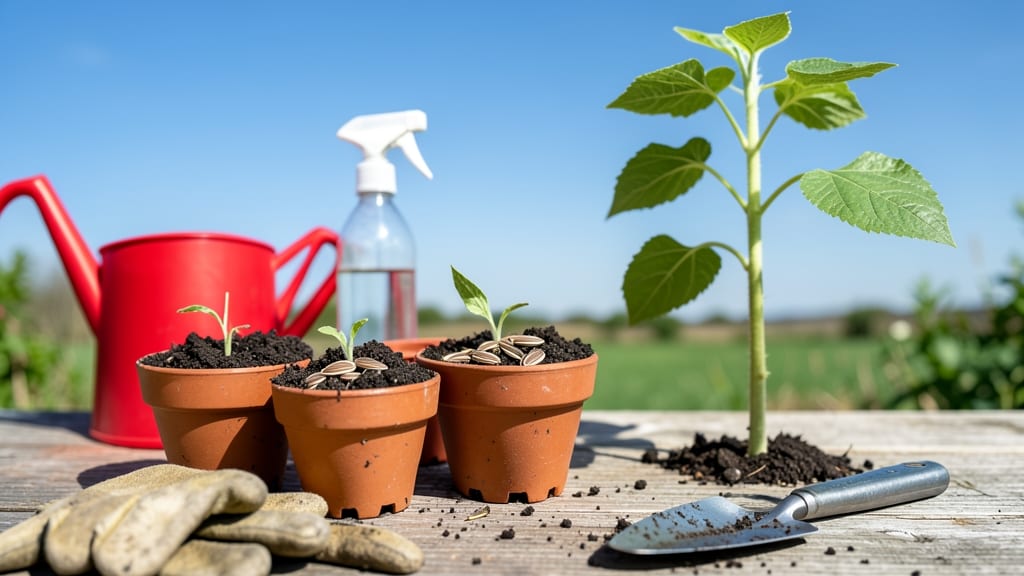
Growing sunflowers from seed in pots turns even a tiny balcony into a sun-drenched oasis. 🌻 I’ve grown towering sunflowers in 5-gallon buckets—no yard needed—using just the right variety, deep containers, and a sunny windowsill or patio spot.
The secret isn’t fancy equipment; it’s matching the plant’s needs to what you can provide in small spaces.
Start with dwarf or semi-dwarf varieties like ‘Little Becka’ or ‘Moulin Rouge,’ which thrive in containers and reach heights of 3–5 feet without toppling. You’ll need pots at least 12 inches deep, well-draining soil, and a spot that gets 6+ hours of direct sunlight daily.
Plant seeds 1 inch deep, two per pot, and keep the soil moist (not soggy) until sprouts appear in 7–14 days.
By midsummer, you’ll be watching those bright blooms nod in the breeze, attracting pollinators and turning heads. The best part? Sunflowers grown in pots are portable—move them to follow the sun or bring them indoors before frost.
Just avoid overwatering (sunflowers hate wet feet) and give them a little extra fertilizer every few weeks.
This method works for urban balconies, fire escapes, or even sunny windowsills. The only mistake you’ll make is underestimating how much joy a single sunflower can bring. Ready to grow your own? Let’s get those seeds in the soil!
📚 In This Guide
- What you need
- Instructions
- Tips and common mistakes
- Wrapping up and next steps
What you need
- ● Sunflower seeds: Choose dwarf or medium-height varieties (e.g., 'Moulin Rouge' or 'Teddy Bear') for pots. Aim for 2-3 seeds per pot (thin to the strongest sprout later).
- ● Containers: Pots with drainage holes, at least 12-18 inches deep and 12+ inches wide (bigger for taller varieties). Self-watering pots are a pro tip! 💡
- ● Potting mix: Well-draining, nutrient-rich soil blend (e.g., 50% potting soil + 50% perlite or compost). Avoid garden soil—it compacts too easily!
- ● Watering can or spray bottle: For gentle hydration without disturbing seeds.
- ● Fertilizer: Balanced 10-10-10 or 20-20-20 liquid fertilizer (diluted to half-strength) or slow-release granules.
- ● Plant labels & marker: To track varieties and planting dates.
- ○ Gloves (optional): Protects hands from prickly sunflower debris.
- ● Seedling heat mat: Speeds up germination if your space is chilly.
- ● Grow lights: Extends daylight for seedlings (12-16 hours/day).
- ● Stakes or tomato cages: Supports taller varieties as they grow.
- ● Mulch (e.g., straw or shredded leaves): Retains moisture and regulates soil temp.
- ● Compost or worm castings: Boosts soil fertility naturally.
Step-by-step instructions for growing sunflowers from seed in pots
Here's how to grow sunflowers in containers—tall, cheerful blooms without the garden space.
🌱 Step 1: Choose the Right Containers and Soil Mix
Select pots that are at least 12 inches deep and have drainage holes—sunflowers need room for deep roots. I use 5-gallon fabric pots for each plant because they allow roots to breathe and prevent waterlogging. Fill the bottom third with a mix of perlite and coarse sand to improve drainage.
Next, add a high-quality potting mix mixed with compost for nutrients. Sunflowers are heavy feeders, so I blend in a handful of slow-release fertilizer at planting time. The soil should feel light and airy—like a damp sponge—when you squeeze it. If it clumps, add more perlite.
🌱 Step 2: Plant Seeds at the Correct Depth and Spacing
Plant 2-3 seeds per pot at a depth of about 1 inch. Sunflower seeds are large, so burying them too deep slows germination. I like to plant them in a small triangle pattern—this ensures even spacing as they grow. Gently press the soil around the seeds to make good contact but don’t pack it down.
Place the pots in a warm, sunny spot (like a south-facing window or under grow lights). Keep the soil consistently moist but not soggy—sunflower seeds rot if they’re too wet. You’ll see sprouts in 7-10 days. Once they emerge, thin to the strongest seedling by snipping the others at the soil line. This prevents overcrowding and gives your sunflower room to stretch.
☀️ Step 3: Provide Full Sun and Support for Tall Growth
Sunflowers need 6-8 hours of direct sunlight daily. Move pots to a sunny balcony, patio, or garden area as soon as possible. If you’re growing indoors, supplement with a grow light kept 6-12 inches above the plants for 12-14 hours a day. Without enough light, stems grow weak and leggy.
As soon as your sunflower reaches 12 inches tall, install a sturdy stake or tomato cage next to it. Tie the stem loosely to the support with soft plant ties—tightening too much restricts growth. Sunflowers can grow 6-10 feet tall, so choose a support that’s at least 8 feet high. This keeps them from toppling over in wind or rain.
💧 Step 4: Water and Fertilize for Maximum Height
Water deeply when the top inch of soil feels dry. Sunflowers have deep roots, so they prefer infrequent, thorough waterings over daily light sprinkles. I water at the base in the morning to let foliage dry during the day—this prevents fungal diseases like powdery mildew.
Feed your sunflowers every 2-3 weeks with a balanced liquid fertilizer (like 10-10-10). Stop fertilizing once the bud forms—too much nitrogen late in the season encourages leafy growth instead of blooms. You’ll know you’re doing it right when your sunflower grows 1-2 inches per day and develops a thick, sturdy stem.
⏰ Step 5: Harvest and Enjoy Your Towering Blooms
Sunflowers are ready to harvest when the back of the flower head turns yellow and the petals start drooping slightly. Cut the stem at a 45-degree angle with clean shears, leaving a few inches of stem in the pot. This encourages more blooms if your variety is a reblooming type.
To dry the sunflower, hang it upside down in a well-ventilated, dark space for 2-3 weeks. Once fully dry, remove the seeds and store them in a cool, dry place. If you’re growing sunflowers for cut flowers, enjoy them fresh in a vase—they’ll last 5-7 days with a clean cut and fresh water every other day.
Tips & tricks for growing sunflowers in containers
Growing sunflowers in pots is easier than you think—here's how to avoid common pitfalls and get the tallest, healthiest blooms possible.
Container Size Matters: While the instructions call for pots at least 12 inches deep, I recommend going bigger if you can. Sunflowers develop deep taproots—15- to 20-gallon containers give roots room to stretch downward without circling. This prevents stunted growth and keeps your plants stable as they reach for the sun. If you're limited to smaller pots, add 2-3 inches of extra perlite/sand mix at the bottom to encourage downward root growth.
Lighting is Non-Negotiable: The 6-8 hours of direct sunlight is non-negotiable, but here's the secret: sunflowers actually need more light than they get in most apartments. If you're growing indoors, supplement with a full-spectrum grow light for those 12-14 hours. Position it just 6 inches above the plants at first—they'll grow toward it naturally. I've seen sunflowers grow 2 inches taller per day with proper lighting compared to just sunlight alone.
Thinning Secrets: When you see those first sprouts in 7-10 days, resist the urge to keep all three seedlings. The strongest one will be obvious—it'll have the darkest green leaves and be slightly ahead of the others. Snip the weaker ones at the soil line rather than pulling them, which can damage the remaining roots. This simple step gives your champion sunflower the space it needs to grow that iconic 6-10 foot stem.
Harvesting Hack: For the longest vase life with cut flowers, harvest when the back of the flower head turns completely yellow but before the petals fully droop. Then, immediately recut the stem at a 45-degree angle under water—this opens the stem pores so they can drink up fresh water. Change the water every other day and your sunflowers will last the full 5-7 days while staying crisp and vibrant.
Pro Tips for Growing Sunflowers From Seed In Pots
- Growing sunflowers in pots is easier than you think—here's how to avoid common pitfalls and get the tallest, healthiest blooms possible.
- Container Size Matters: While the instructions call for pots at least 12 inches deep, I recommend going bigger if you can.
- Lighting is Non-Negotiable: The 6-8 hours of direct sunlight is non-negotiable, but here's the secret: sunflowers actually need more light than they get in most apartments.
Frequently asked questions
Got questions about growing sunflowers in pots? You’re not alone! Here are answers to the most common concerns—from timing to troubleshooting—so you can confidently cultivate your towering blooms.
How deep should the pot be for sunflowers?
Sunflower roots can grow deep—aim for a pot at least 12–18 inches deep to accommodate their needs. Shallow pots (under 10 inches) will stunt growth, especially for tall varieties like ‘Mammoth’ or ‘Russian Giant.’ If you’re short on space, opt for dwarf varieties (like ‘Teddy Bear’) and use wider, shallower pots instead.
When is the best time to plant sunflower seeds in pots?
Sunflowers thrive in warm soil—wait until after the last frost when nighttime temps stay above 50°F (10°C). For most climates, this means late spring to early summer (May–June in the U.S.). If you start indoors, sow seeds 4–6 weeks before transplanting to avoid shocking delicate seedlings.
Why are my sunflower seeds not germinating?
Common culprits: cold soil, overwatering, or old seeds. Ensure soil is 60–70°F (15–21°C) and moist (not soggy). Press seeds 1 inch deep and keep pots in bright, indirect light until sprouts appear (5–14 days). If seeds are over a year old, try fresh ones—germination drops dramatically after 12 months.
Can I grow sunflowers in pots without drainage holes?
Technically yes, but risky! Without holes, water pools at the bottom, leading to root rot. If you’re stuck, drill holes yourself or use a pot with a saucer and monitor moisture closely. Mix in perlite or sand (20%) to improve drainage. Pro tip: Check soil daily—sunflowers wilt fast when thirsty!
What’s the best fertilizer for potted sunflowers?
Sunflowers are heavy feeders but hate excess nitrogen (it promotes leaves over blooms). Use a balanced, slow-release fertilizer (like 10-10-10) at planting, then switch to a low-nitrogen, high-phosphorus formula (5-10-10) when buds form. Organic options like composted manure or fish emulsion work too—just follow package rates.
Wrapping up and next steps
Growing sunflowers from seed in pots is a rewarding way to bring joy and height to any small space—no garden required! 🌻 With the right containers, soil, and care, you’ll soon be enjoying those cheerful blooms and even harvesting seeds for next season. Ready to take the next step? Try experimenting with different varieties or even share your sunflower journey with fellow plant lovers online.
Now that you’re armed with tips and tricks, grab those seeds and get planting—your future sunflower tower awaits! 🌱