
Propagation
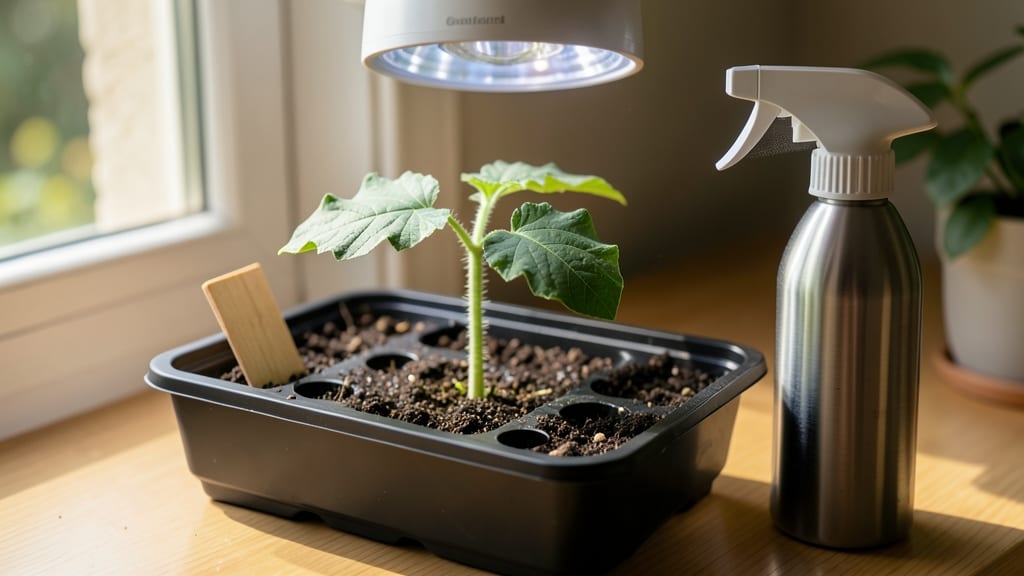
Growing watermelon from seed indoors can be surprisingly fast—just 3-5 days to see those first sprouts. 🌱 I’ve started watermelons indoors for years, and the secret isn’t fancy setups but matching their needs: warmth, moisture, and just enough space to stretch. Most people assume watermelons need a greenhouse, but with the right conditions, you can get them off to a flying start before moving them outside.
The trick is keeping things cozy—think of a mini greenhouse effect. Use small pots (just 2-3 inches deep) with a seed-starting mix that drains well but holds moisture, and keep the soil at a steady 80-85°F using a heat mat if needed.
Watermelon seeds are large and packed with energy, so they germinate quickly once the conditions are right. Just don’t overcrowd them; each seedling needs room to grow strong, not compete for light.
By week 3, you’ll have sturdy seedlings ready for bigger pots or the garden. The key is transitioning them gradually to brighter light and cooler temps to avoid shock.
I’ve seen watermelons that started indoors outperform store-bought seedlings because they’re already ahead of the game—no waiting for slow germination in cold soil.
This method works for any variety, from small sugar babies to giant seedless types. The only real challenge is space—watermelons are vining plants, so plan for vertical growth or a sunny outdoor spot with room to sprawl. Here’s how to set it up without the guesswork.
📚 In This Guide
- What you need
- Instructions
- Tips and common mistakes
- Wrapping up and next steps
What you need
- ● Watermelon seeds: Choose a fast-maturing variety like ‘Sugar Baby’ or ‘Crimson Sweet’ (5–10 seeds per pot).
- ● Seed-starting mix: Lightweight, sterile potting soil (1–2 gallons). Avoid garden soil—it’s too dense!
- ● Containers: Biodegradable pots (3–4 inches deep) or a seed tray with drainage holes (1–2 per seed).
- ● Grow lights: Full-spectrum LED or fluorescent bulbs (12–16 inches above seedlings, 14–16 hours/day).
- ○ Heat mat (optional but helpful): Maintains warmth (75–85°F) for faster germination.
- ● Spray bottle: For gentle watering to avoid disturbing seeds.
- ● Fertilizer: Balanced liquid fertilizer (5-10-5 or 10-10-10) for seedlings.
- ● Trowel or small shovel: For transplanting seedlings.
- ● Misting sprayer: Keeps humidity high (70–80%) during germination.
- ○ Humidity dome (optional): Speeds up sprouting in the first week.
- ○ pH tester (optional): Ensures soil pH is 6.0–6.8 (ideal for watermelons).
- ● Support stakes (for later): If growing vining varieties, add trellises or cages (6+ feet tall).
Step-by-Step instructions for growing watermelon from seed indoors
Here's how to jumpstart your watermelon seeds with speed and confidence—no fancy equipment needed.
🌱 Step 1: Prepare Lightweight Loam and Containers
Start with a lightweight seed-starting mix—avoid garden soil, which compacts and slows germination. Fill 4-inch deep pots (one per seed) with the mix, leaving ½ inch of space below the rim. I like to tap the pots gently to settle the soil without packing it down. Watermelon seeds need loose, airy soil to sprout quickly.
Moisten the mix until it's damp like a wrung-out sponge—no puddles, just even moisture. You'll know it's right when a handful crumbles easily. Place the pots in a warm spot (75-85°F) because watermelon seeds germinate fastest in heat. A sunny windowsill or seedling heat mat works perfectly for this first step.
🌱 Step 2: Sow Seeds at the Right Depth
Plant 1 seed per pot, pressing it ½ inch deep into the soil. The seed is large, so don't bury it too shallow—just enough to cover it lightly. I use my finger to make a small hole, drop the seed in, then cover it with a sprinkle of soil. Pat gently to ensure good seed-to-soil contact.
Watermelon seeds germinate in 5-7 days under ideal conditions, but warmth is key. If your home runs cooler, place the pots in a plastic bag (not sealed—just loosely covered) to trap heat. Check daily for moisture—keep the soil damp but never soggy. Overwatering now can drown seeds before they sprout.
☀️ Step 3: Provide Bright Light Immediately
The moment you see tiny sprouts (usually 3-5 days), move the pots to the brightest light source you have. A south-facing window works, but watermelons need 14+ hours of light daily. If natural light isn't enough, supplement with a grow light kept 4-6 inches above the seedlings.
Leggy seedlings (long, thin stems) mean your light isn't strong enough. Rotate the pots quarter-turn daily so they grow straight. You'll see strong, stocky seedlings with bold green leaves—this is your sign they're thriving. Avoid cold drafts; watermelons hate sudden temperature drops.
🪴 Step 4: Transplant When Seedlings Are Sturdy
After 2-3 weeks, when seedlings have 4-6 true leaves and thick stems, it's time to transplant. Choose 5-gallon containers (since watermelons have long roots) or a large garden bed if outdoors is an option. Fill with well-draining potting mix—watermelons hate wet feet.
Dig a hole twice as wide as the root ball and same depth. Gently remove the seedling, keeping the root system intact. Place it in the hole, firm soil around the base, and water deeply to settle everything. Watermelons grow fast—expect 1-2 inches of growth per day in warm weather.
⏰ Step 5: Maintain Heat and Support for Fruit
Watermelons need warm soil (70°F+) to thrive. If nighttime temps dip below 60°F, cover plants with frost cloth or move them indoors temporarily. Once flowers appear, hand-pollinate by gently brushing stems with a paintbrush—this ensures fruit sets.
Use cage supports or trellises for vining varieties. Prune side vines to direct energy into 1-2 main vines per plant. You'll know you're on track when yellow flowers appear, followed by tiny melons in 6-8 weeks. Keep soil moist but not waterlogged—consistent moisture prevents bitter fruit.
Tips & tricks for fast indoor watermelon germination
Watermelon seeds need the right conditions to sprout quickly—here's how to give them the perfect start without overcomplicating things.
Heat is Everything: Those 75-85°F temperatures in Step 1 aren't just suggestions—they're non-negotiable for fast germination. I've tried cooler spots and watched germination stretch to 10-14 days instead of the 5-7 days we want. If your home runs cooler, place pots on a heating pad set to low or nestle them inside a closed cardboard box with a heat lamp. Just don't let the soil get hotter than 90°F, or you'll cook the seeds.
Soil Science Matters: The lightweight seed-starting mix in Step 1 is your secret weapon. Avoid the temptation to mix in compost or garden soil—it compacts and traps moisture, slowing germination. If you're worried about nutrients, add a tiny pinch of worm castings (just 1 teaspoon per pot) after seeds sprout. Too much now can encourage mold before your seeds even break through the soil.
Light Timing Tip: Once you see those first sprouts in 3-5 days, move them to bright light immediately—but don't rush the transition. I've seen seedlings get sunburned when moved too quickly to intense light. Start with 6-8 hours of light the first day, then gradually increase to the full 14+ hours over 3-4 days. This toughens them up without shocking their delicate systems.
Transplanting Hack: When you're ready to move seedlings to 5-gallon containers in Step 4, use the "ice cube" method to minimize root disturbance. Fill the new container with moist soil, then place an ice cube in the center. Gently lower the seedling into the ice cube—it melts as you plant, creating perfect soil contact around the roots. This reduces transplant shock and gets them established faster.
Pro Tips for Growing Watermelon From Seed Indoors
- Watermelon seeds need the right conditions to sprout quickly—here's how to give them the perfect start without overcomplicating things.
- Heat is Everything: Those 75-85°F temperatures in Step 1 aren't just suggestions—they're non-negotiable for fast germination.
- Soil Science Matters: The lightweight seed-starting mix in Step 1 is your secret weapon.
Frequently asked questions
about growing watermelon from seed indoors—here’s what you need to know before diving in!How long does it take for watermelon seeds to germinate indoors?
Watermelon seeds typically sprout in 5–10 days indoors, provided they’re kept in warm (75–90°F) and moist conditions. Use a seed-starting heat mat to speed up germination—consistency is key! If no sprouts appear after 2 weeks, check seed viability or try replanting.
When should I transplant indoor watermelon seedlings outdoors?
Wait until after the last frost and when soil temps hit 70°F+ (use a soil thermometer!). Seedlings need 4–6 weeks indoors first to develop strong roots. Harden them off for 7–10 days by gradually exposing them to outdoor conditions before planting.
Can I grow watermelons indoors year-round, or do they need sunlight?
Watermelons love sunlight—they need 6–8 hours of direct light daily. Indoors, supplement with grow lights (12–16 hrs/day). Without enough light, vines grow leggy, and fruits stay small. A sunny windowsill won’t cut it—consider a south-facing window or LED grow lights for best results.
Why are my watermelon seedlings dying or turning yellow?
Yellow leaves often signal overwatering (check soil moisture—it should stay damp but not soggy) or nutrient deficiency. Use a balanced fertilizer (like 10-10-10) every 2–3 weeks. Leggy seedlings? They need more light! If stems rot at the base, reduce watering and improve drainage.
Are there faster-growing or smaller watermelon varieties for indoors?
Yes! Try ‘Sugar Baby’ (compact, 45-day harvest) or ‘Tiny Tim’ (dwarf, 70 days). These varieties thrive in containers (5+ gallons) and produce smaller fruits but faster. Avoid large heirlooms—they need more space and time. Check seed packets for “bush” or “dwarf” labels for indoor-friendly picks!
Wrapping up and next steps
Growing watermelon from seed indoors is a rewarding journey that combines patience, care, and a dash of creativity! 🌱 With the right lightweight loam, proper germination techniques, and a little love, you’ll soon be enjoying the sweet taste of homegrown watermelon—even in small spaces.
Whether you’re a seasoned gardener or a curious beginner, every seed you plant is a step toward a bountiful harvest.
Now that you’re armed with tips and tricks, take the next step: grab your supplies, set up your indoor garden, and watch those tiny seeds transform into thriving plants. Happy growing—your future watermelon feast awaits! 🍉✨