
Propagation
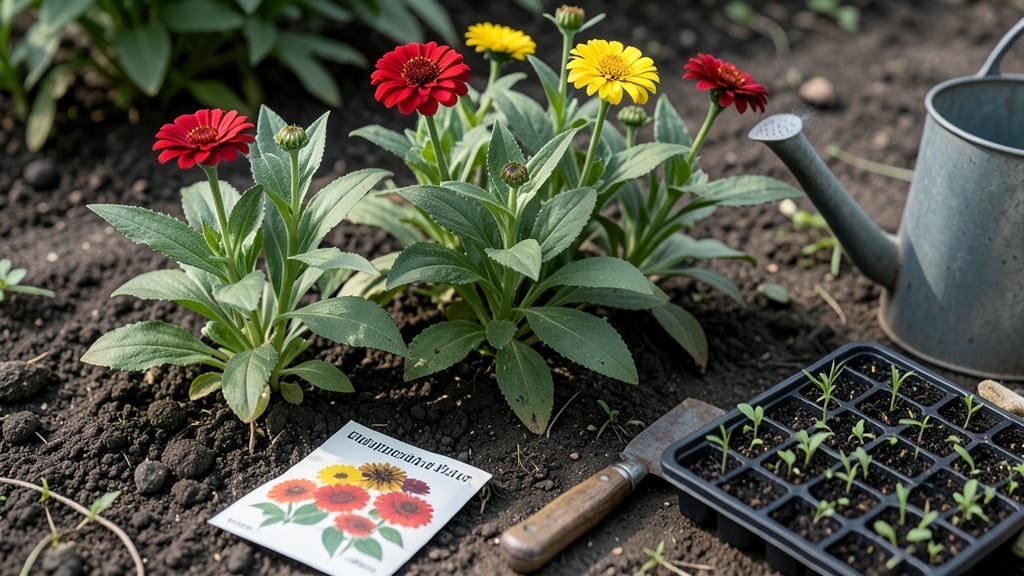
Growing zinnias from seed outdoors delivers vibrant, long-lasting blooms that brighten borders and cut gardens—all in just 60 days. 🌻 I’ve watched these cheerful flowers transform a patch of dirt into a riot of color, and the secret starts with timing and soil.
The key is planting after your last frost when soil warms to at least 60°F, ensuring seeds germinate reliably without waiting too long.
You’ll need a sunny spot (6+ hours of direct light), loose soil amended with compost, and patience for thin seedlings. Zinnias thrive when sown directly outdoors, skipping the fuss of indoor starts. Space seeds 12–18 inches apart—crowding leads to leggy stems and fewer blooms.
Water gently at the soil line to avoid disturbing seeds, and watch for germination in 7–14 days (longer in cooler weather).
By mid-summer, you’ll be snipping bold, dinner-plate blooms for bouquets or letting them attract pollinators all day. The trade-off? Zinnias bolt in heat, so deadhead spent flowers and provide afternoon shade in Zone 9+ to extend their season.
This is the year your garden becomes the neighborhood’s envy—no fancy tricks, just sun, soil, and seeds.
For beginners, the biggest mistake is planting too early or in heavy soil. Test germination with a small batch first, and adjust spacing if your variety tends toward giant blooms.
Once established, zinnias are drought-tolerant and rarely bothered by pests—just watch for powdery mildew in humid climates. Start small, and let these easy annuals prove how rewarding gardening can be.
📚 In This Guide
- What you need
- Instructions
- Tips and common mistakes
- Wrapping up and next steps
What you need
- ● Zinnia seeds: Choose heat-loving varieties like 'Benary’s Giant' or 'Profusion' (start with 50–100 seeds for a vibrant patch).
- ● Well-draining potting mix: 1–2 cubic feet (sterilized, seed-starting blend or garden soil + perlite).
- ● Containers or seed trays: 4–6" deep (biodegradable pots or cell trays work great).
- ● Garden soil (for transplanting): Loamy, fertile soil amended with compost (avoid heavy clay).
- ● Watering can or spray bottle: With a gentle nozzle to avoid disturbing seeds.
- ● Fertilizer: Balanced, water-soluble (e.g., 10-10-10) or compost tea for organic growers.
- ○ Plant labels: To track varieties (optional but helpful!).
- ● Sunlight: Full sun (6+ hours/day)—zinnias thrive in heat!
- ● Spacing: 12–18 inches apart (for mature plants; thin seedlings if needed).
- ● Last frost date: Wait until soil temps are 60°F+ (zinnias hate cold!).
- ● Row covers: For early starts to protect young seedlings from pests.
- ● Mulch: Straw or shredded leaves to retain moisture and suppress weeds.
- ● Stakes or cages: For tall varieties (e.g., 'State Fair') to prevent flopping.
- ● Seedling heat mat: If starting seeds indoors 4–6 weeks early (zinnias germinate best at 70–75°F).
- ● Pruning shears: For deadheading spent blooms (encourages non-stop flowers!).
Step-by-step instructions for growing zinnias from seed outdoors
Here's how I get vibrant zinnias blooming in just 60 days—no fancy equipment needed.
🌱 Step 1: Prepare the Soil and Plant Seeds Directly
Zinnias thrive in well-draining soil with plenty of organic matter. Work in 2-3 inches of compost into the top 6 inches of your garden bed, loosening the soil to a depth of 12 inches with a trowel. Zinnias hate soggy roots, so if your soil feels compacted when squeezed, mix in sand or perlite to improve drainage.
Scatter seeds ¼ inch deep, spacing them 6-8 inches apart in rows 12 inches apart for proper airflow. I like to plant in late spring after the last frost when soil temperatures reach at least 60°F—zinnias won’t germinate in cold soil. Water gently after planting to settle the seeds without disturbing them.
☀️ Step 2: Provide Consistent Moisture and Light
Keep the soil evenly moist but not waterlogged until germination, which takes 7-14 days. I use a soaker hose set to a light mist to avoid displacing seeds. Once sprouts appear, reduce watering slightly—zinnias are drought-tolerant once established, but seedlings need steady moisture to prevent leggy growth.
Zinnias demand full sun (6+ hours daily) for bold blooms. If your garden gets afternoon shade, choose shorter varieties like 'Thumbelina' that tolerate partial sun better. You’ll know they’re happy when leaves stay deep green and stems stay sturdy—wilting or yellowing means they need more water or sun.
✂️ Step 3: Thin Seedlings and Encourage Bushy Growth
When seedlings reach 2 inches tall, thin them to 6 inches apart by snipping unwanted stems at the base with clean scissors. Crowded plants compete for nutrients, leading to weak stems and fewer blooms. I always thin in the morning so cut stems have time to dry before evening dew sets in.
Pinch back the top set of leaves when plants are 4-6 inches tall to encourage branching. This simple step turns skinny stems into bushy plants with more flower heads. Watch for buds forming at leaf junctions—these will become your first blooms in 4-6 weeks after planting.
💧 Step 4: Maintain and Deadhead for Continuous Blooms
Water deeply once a week during dry spells, focusing on the base to avoid wetting leaves (which can cause fungal issues). Zinnias are tough once established, but consistent moisture keeps blooms vibrant. I mulch with 2 inches of straw to retain soil moisture and suppress weeds—zinnias grow fast and need all their energy for flowers, not fighting plants.
Deadhead spent blooms by snipping stems just above a set of leaves every 2-3 days. This triggers more flowers to form and extends the blooming season. I always use clean, sharp scissors to avoid damaging stems. If you see powdery mildew on leaves, remove affected foliage immediately and space plants further apart for better airflow.
Tips & tricks for perfect zinnia blooms
These practical insights will help you avoid common pitfalls and maximize your zinnias' vibrant potential.
Soil Preparation Secret: The 60°F soil temperature threshold isn't just about germination—it's also when beneficial soil microbes become most active. I like to test my soil's warmth by placing a thermometer in the ground at seed depth for a few hours. If it's below 60°F, wait a few more days. Cold soil can delay germination by up to 10 days, and those extra days mean more competition from weeds. The 2-3 inches of compost we're adding should be aged compost (not fresh manure) to prevent seedling burn.
Germination Timing: The 7-14 day germination window can feel like an eternity, but there's a trick to speed things up. After planting, cover the seed bed with a light layer of clear plastic or row cover to create a mini greenhouse effect. This can cut germination time by 3-5 days while still maintaining the crucial moisture levels. Just remove it once sprouts appear to prevent overheating. Watch for the first tiny leaves—these will be round and smooth, not the jagged leaves that come later.
Thinning Technique: When thinning those 2-inch seedlings to 6 inches apart, I've found that timing matters more than you'd think. The morning thinning I mentioned isn't just about dew—it's about giving the cut stems time to dry completely before evening. Wet stems left overnight can develop fungal issues. Use clean scissors and make clean cuts at the base to avoid damaging nearby roots. You can actually replant the thinned seedlings elsewhere if you have space—they'll transplant beautifully.
Deadheading Discipline: That 2-3 day deadheading schedule might seem frequent, but here's why it works: each spent bloom represents potential energy your plant could be putting into new flowers. When you remove it just above a set of leaves, you're signaling the plant to redirect its resources. I keep a small bucket of water nearby to rinse my scissors between cuts—this prevents spreading any potential fungal spores from diseased blooms to healthy ones. The first flush of blooms after deadheading will be your most abundant.
Pro Tips for Growing Zinnias From Seed Outdoors
- These practical insights will help you avoid common pitfalls and maximize your zinnias' vibrant potential.
- Soil Preparation Secret: The 60°F soil temperature threshold isn't just about germination—it's also when beneficial soil microbes become most active.
- Germination Timing: The 7-14 day germination window can feel like an eternity, but there's a trick to speed things up.
Frequently asked questions
about growing zinnias from seed outdoors—your quick guide to success!When is the best time to plant zinnia seeds outdoors?
Plant zinnia seeds after the last frost when soil temperatures reach at least 60°F (15°C). Most gardeners start seeds 2–3 weeks before the last frost for earlier blooms, but direct sowing works too! In warm climates, you can plant as early as February.
How long does it take for zinnia seeds to germinate?
Zinnia seeds typically sprout in 5–14 days in warm, moist soil. For faster germination, keep seeds consistently moist (not soggy) and place them in full sun. Avoid overwatering—zinnias hate "wet feet"!
Why aren’t my zinnia seeds sprouting? Troubleshooting tips.
If seeds aren’t germinating, check these common issues:
- Cold soil: Wait until soil is 60°F+.
- Too deep: Plant seeds ¼ inch deep—they need light to sprout!
- Old seeds: Zinnia seeds lose viability after 1–2 years.
- Poor drainage: Ensure well-draining soil to prevent rot.
What pests or diseases should I watch for with zinnias?
Zinnias are generally pest-resistant, but keep an eye out for:
- Aphids or spider mites: Spray with water or neem oil.
- Powdery mildew: Improve airflow and avoid overhead watering.
- Japanese beetles: Handpick or use row covers early in the season.
Can I grow zinnias from seed in containers or small spaces?
Zinnias thrive in containers 6+ inches deep with well-draining soil. Dwarf varieties (like Thumbelina) are perfect for pots. Just ensure:
- At least 1 plant per 6-inch pot (thin seedlings if overcrowded).
- Regular watering (containers dry out faster).
- Full sun exposure (even in small spaces).
Wrapping up and next steps
Growing zinnias from seed is a rewarding journey that delivers vibrant blooms in just 60 days—perfect for beginners and seasoned gardeners alike! With the right soil, sunlight, and a little patience, you’ll enjoy a burst of color that attracts pollinators and lifts your spirits.
Now that you’re armed with tips and troubleshooting advice, why not start your seeds this week? Grab your gloves, mark your calendar, and watch your garden transform into a zinnia paradise. Happy planting! 🌸🌱