
Planting
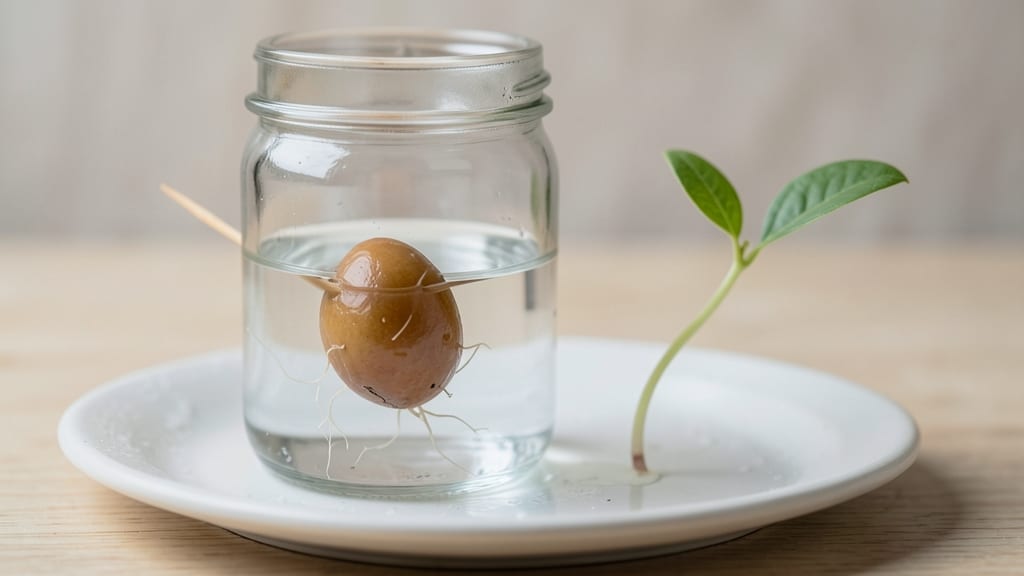
Planting a mango seed in water is where the magic of gardening meets pure patience—because that tiny pit could grow into a tree with glossy leaves and the promise of fruit someday. 🌱 I’ve watched my own mango seedling push through water in just 3 weeks, though some take months, and the thrill of seeing those first roots is unmatched.
The secret isn’t forcing it; it’s creating the perfect conditions for nature to do the work. You’ll need a clean mango pit, a glass or jar big enough to submerge half the seed, and fresh water changed every 2-3 days.
Skip the soil for now—roots need oxygen to grow, and water keeps things simple. Place your jar in bright, indirect light (no scorching sun), and soon you’ll spot tiny white roots curling around the edges. That’s when the real adventure begins.
By the time those roots reach 2-3 inches, you’ll transplant into soil, where the seedling will stretch toward the sky like it’s been waiting its whole life for sunlight. The first true leaves? A game-changer—suddenly, you’re not just growing a plant; you’re nurturing a future tree.
(Yes, it might take years for fruit, but the journey is the reward.) Troubleshooting is half the fun: mold? Drain and rinse the jar. Stagnant water? Change it. Slow growth? More light. Every hiccup teaches you more about what this little seedling truly needs.
Patience here pays off in lush, independent growth—no nursery tags required.
📚 In This Guide
- What you need
- Instructions
- Tips and common mistakes
- Wrapping up and next steps
What you need
- ● 1 fresh mango seed – Choose a seed from a ripe, organic mango for the best results.
- ● 1 small glass or jar – A clean, clear container (8–12 oz) with a wide enough opening to fit the seed.
- ● Water – Room-temperature, filtered water (change every 2–3 days).
- ○ 1 plastic wrap or lid – To create a mini greenhouse effect (optional but helpful).
- ● 1 toothpick or small stick – For propping open the seed if needed.
- ○ 1 spray bottle (optional) – To mist the seed and keep it moist.
- ● 1 pair of scissors or knife – For carefully removing the seed from the pit.
- ○ 1 paper towel (optional) – To line the container and absorb excess moisture.
- ● 1 bright, warm spot – Near a window (indirect sunlight) or under a grow light.
- ● Patience & enthusiasm! – Germination can take 2–4 weeks—stay consistent!
Step-by-step instructions for growing a mango tree from a seed
Here's how to turn a single seed into a thriving sapling in just three weeks.
🌱 Step 1: Select and Prepare the Seed
Choose a seed from a ripe, organic mango—store-bought seeds often contain preservatives that inhibit growth. Rinse the seed thoroughly under warm water to remove any pulp residue, then let it dry completely for 12 hours. This prevents mold and rot while you prepare the container.
Real talk: the seed needs to be fresh. If it's been sitting on your counter for weeks, germination rates drop sharply. Look for a seed that's firm and slightly plump—not shriveled or cracked. Place it in a small glass or jar with 2-3 inches of water at room temperature, making sure only the bottom half is submerged. The top should stay dry to avoid rotting.
💧 Step 2: Monitor Water and Wait for Sprouting
Keep the water level consistent—never let the seed dry out, but avoid submerging it fully. Change the water every 2-3 days to prevent bacterial growth. Place the container in a warm spot with indirect sunlight (a windowsill with sheer curtains works well). You'll see the first signs of life in 7-14 days—tiny white roots will emerge first, followed by a sprout.
Here's the thing—patience is key. Some seeds sprout in a week, others take three. If nothing appears after 3 weeks, the seed may not be viable. Don't overwater now. Too much moisture will suffocate the roots before they even get started.
☀️ Step 3: Transplant the Sapling to Soil
Once the sprout reaches 2-3 inches tall and the roots are 1-2 inches long, it's time to move it to soil. Use a small pot (about 4-6 inches wide) with well-draining potting mix. Fill the pot halfway, then gently place the sapling in the center, spreading the roots downward. Cover with soil, leaving the top half of the stem exposed.
Water lightly after transplanting—just enough to settle the soil around the roots. Place the pot in bright, indirect light for 1-2 weeks to help it adjust. You'll know it's thriving when new leaves start to appear, usually within 2-3 weeks after transplanting.
🌿 Step 4: Care for Your Young Mango Tree
Keep the soil consistently moist but not soggy—mango seedlings hate wet feet. Water when the top inch of soil feels dry to the touch. Gradually introduce more sunlight over the next few weeks, aiming for 4-6 hours of morning sun daily. Avoid harsh afternoon rays, which can scorch tender leaves.
This is the moment that matters: fertilizing too early can burn delicate roots. Wait until the sapling has 4-5 true leaves before using a balanced, water-soluble fertilizer diluted to half-strength. Apply every 4-6 weeks during the growing season. You'll see stronger growth and deeper green leaves within a month.
Tips & tricks for sprouting a mango tree from a seed
Here's what I learned after watching dozens of seeds fail—these tricks make all the difference.
Seed Selection: Don't just grab any mango seed! Look for seeds from organic fruit that's been ripened on the tree—store-bought mangos often have seeds treated with preservatives that prevent sprouting. I've found the best success with seeds that still have some pulp attached when removed, as this indicates freshness. After selecting, give that 12-hour drying period absolute priority—skipping this step is how mold takes over before your roots even start.
Water Level Secret: The 2-3 inches of water rule is critical, but here's the part nobody tells you—your seed needs to stay perfectly level in the water. If it tilts, one side will rot while the other dries out. Use a shallow container and adjust the water level so only the bottom half stays submerged, no matter how the seed sits. I use a small glass jar with a wide mouth so I can see the water level clearly without disturbing the seed.
Sprout Timing: Those 7-14 days for sprouting can feel like an eternity, but don't rush it! I've seen seeds that took 21 days still grow into healthy plants. The key is consistency—change that water every 2-3 days religiously, and keep it in warm conditions (around 75-80°F works best). If you notice black spots or a foul smell, that's your cue to start fresh with a new seed—don't wait for "maybe it'll be okay."
Transplant Readiness: When your sprout hits 2-3 inches tall with 1-2 inches of roots, it's ready—but don't rush the soil transition. I've seen seedlings shock and die when moved too soon. Gently rinse the roots to remove any water residue before planting, and use your finger to create a small hole in the soil. The roots should spread naturally downward when you place it in—if they're tangled, carefully untangle them so they can absorb nutrients properly.
Pro Tips for Plant A Mango Seed In Water
- Here's what I learned after watching dozens of seeds fail—these tricks make all the difference.
- Seed Selection: Don't just grab any mango seed!
- Water Level Secret: The 2-3 inches of water rule is critical, but here's the part nobody tells you—your seed needs to stay perfectly level in the water.
Frequently asked questions
Got questions about growing a mango tree from a seed? Here are some of the most common ones—and their answers—to help you along the way!
How long does it take for a mango seed to sprout in water?
A mango seed typically sprouts within 2 to 4 weeks when planted in water, depending on temperature and humidity. Keep the water warm (around 70–80°F) and change it every 2–3 days to speed up germination. Patience is key—some seeds take longer!
Can I reuse the water after planting the seed?
No, you should not reuse the water after planting the mango seed. Old water can harbor bacteria or fungi, which may harm the seed or sprout. Always use fresh, room-temperature water to keep things healthy and encourage faster growth.
What do I do if my mango seed rots in water?
If your seed turns mushy or smells foul, it’s likely rotting due to too much moisture or stale water. Remove it immediately, rinse it gently, and let it dry for a day before replanting in fresh water. If the seed is already soft, it may be too far gone—try another seed!
How soon can I transplant the sprout to soil?
Once the sprout reaches 2–3 inches tall (usually 3–4 weeks after germination), it’s ready for soil. Use well-draining potting mix and keep the soil moist but not soggy. Transplanting too early can shock the delicate roots, so wait until it’s sturdy!
Will my mango tree grown from seed produce fruit?
While it’s possible, it’s unlikely your seed-grown mango tree will produce fruit identical to the parent plant. Mango trees from seeds are often varietal (different from the original), and fruiting can take 5–10 years. For guaranteed fruit, graft a known variety onto your seedling!
Wrapping up and next steps
Growing a mango tree from a seed in water is a rewarding journey that blends patience with the joy of nurturing life! 🌱 By following these simple steps—from soaking your seed to transplanting your sprout—you’ve taken the first exciting leap toward a thriving plant.
Remember, consistency is key, and even if progress feels slow, your little seedling is learning to stand tall.
Now that you’ve mastered the basics, why not elevate the fun? Once your seedling has a few sturdy leaves, consider:
- Transplanting it into nutrient-rich soil to encourage faster growth.
- Experimenting with different care techniques (like pruning or fertilizing) to see what works best.
- Documenting its progress—snap photos or keep a growth journal to track milestones!