
Planting
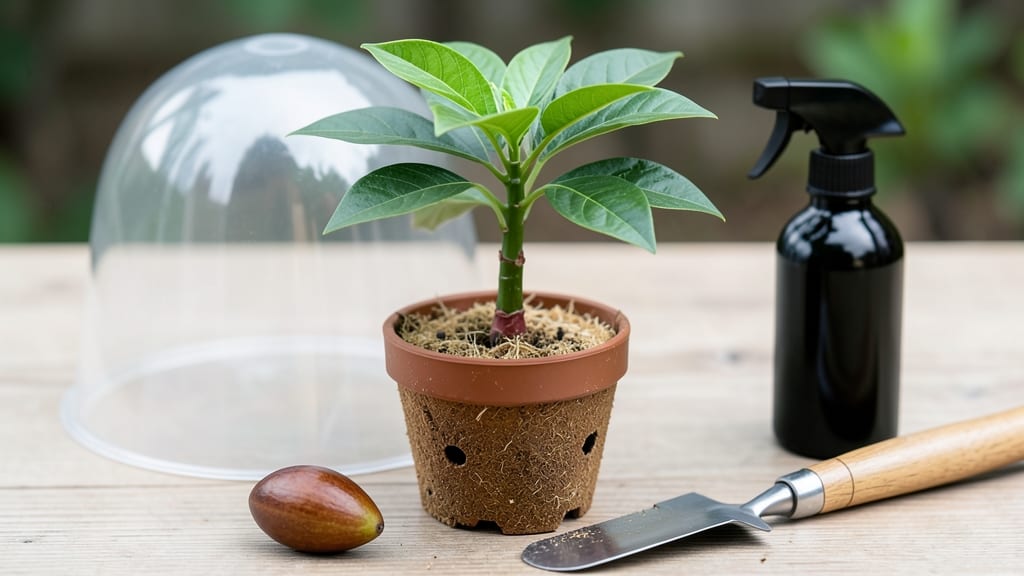
Planting mango seeds in soil unlocks a tropical adventure right in your backyard. 🌱 The key to success starts with the right seed—ripe, fresh fruit is non-negotiable—and a soil mix that mimics the warm, well-draining conditions of a mango’s native habitat.
I’ve learned the hard way that patience is the real secret: germination can take months, but the reward is a tree that could one day produce fruit in your own yard.
You’ll need a small pot, a mix of potting soil and perlite, and a warm spot (70°F or above) to kickstart growth. The seed should be planted just below the soil surface—no deeper than 1 inch—with the pointed end up.
Keep the soil consistently moist but never soggy, and cover the pot with plastic to trap humidity. Most seedlings emerge within 2-3 months, though some stubborn ones take twice as long.
Once sprouts appear, thin to the strongest seedling and move it to a slightly larger pot. Early care focuses on gentle watering and bright, indirect light—no harsh sun yet. Expect slow growth at first, but with proper care, your mango seedling could reach 6 feet in its first year.
The real magic happens years later, when you might finally taste fruit from your own tree.
Troubleshooting is part of the journey: mold means too much moisture, while yellowing leaves signal overwatering. If germination stalls, try a heat mat or a sunny windowsill. Remember, even if your first attempt fails, mango trees are resilient.
The joy isn’t just in the fruit—it’s in watching a tropical giant grow from something as simple as a seed.
📚 In This Guide
- What you need
- Instructions
- Tips and common mistakes
- Wrapping up and next steps
What you need
- ● Mango seed: 1 fresh, viable seed (preferably from a ripe, organic mango—avoid seeds from hybrid or grafted trees for best results).
- ● Potting soil: 1 bag (5–10 quarts) of well-draining, sterilized potting mix (look for labels like "seed-starting mix" or "cactus/succulent blend" for extra drainage).
- ● Small pots or containers: 2–3 (4–6 inches deep) with drainage holes. Plastic nursery pots or biodegradable peat pots work great!
- ● Watering can or spray bottle: With a fine mist nozzle for gentle hydration.
- ● Plastic wrap or clear lid: To create a mini greenhouse effect (e.g., a ziplock bag or a plastic dome).
- ● Twine or rubber bands: To secure the plastic wrap in place.
- ● Grow lights or sunny windowsill: A south-facing window (6+ hours of sunlight) or a grow light (12–16 hours/day) for seedlings.
- ○ Fertilizer: A balanced, water-soluble fertilizer (e.g., 10-10-10 or 5-5-5) for later stages (optional for now).
- ● Heat mat: To maintain soil temps at 75–85°F (ideal for germination).
- ● Humidity dome: A store-bought version for consistent moisture.
- ● Soil moisture meter: To avoid over/under-watering.
- ● Label markers: To track planting dates (mango seeds can take weeks to months to sprout!).
- ● Peat moss or perlite: To improve drainage if your soil is heavy.
Step-by-step instructions for planting mango seeds in soil
Here's how to turn that grocery-store pit into a tropical tree—with patience and the right technique.
🌱 Step 1: Extract and Prepare the Seed
Start with a fresh mango pit—older seeds germinate poorly. Rinse it under running water to remove any remaining fruit pulp, then let it dry completely for 24 hours. This prevents mold and rot. Use a sharp knife to carefully cut through the hard outer shell along its seam, then gently pry it open to reveal the seed inside.
Here's the thing—mango seeds have a hard outer coating that slows water absorption. To speed up germination, I soak the seed in lukewarm water for 24-48 hours. Change the water halfway through to keep it fresh. You'll know it's ready when the seed feels slightly softer and the water turns cloudy—this means the seed is absorbing moisture and preparing to sprout.
🌿 Step 2: Plant the Seed in Moist Soil
Fill a small pot—at least 4 inches deep—with well-draining potting mix. Mango seeds hate soggy roots, so mix in a handful of perlite or coarse sand to improve drainage. Moisten the soil until it's damp but not dripping, then press it down lightly to create a firm planting surface.
Plant the seed 1 inch deep, with the flat side down and the pointed tip facing upward. This ensures the seedling grows straight and doesn't twist. Cover it lightly with soil, leaving just the tip exposed. Water gently until the soil is evenly moist—no puddles. Place the pot in a warm, shaded spot (around 75-85°F) to encourage germination.
💧 Step 3: Maintain Warmth and Moisture
The hardest part is waiting—germination can take 2-6 weeks, depending on the seed's freshness and warmth. Keep the soil consistently moist but never soggy. I use a spray bottle to mist the soil lightly every 2-3 days instead of watering from above, which can dislodge the seed or cause it to rot.
Cover the pot loosely with plastic wrap to retain humidity, but remove it daily for 10 minutes to prevent mold. Place the pot on a seedling heat mat if possible—this keeps the soil 10°F warmer than room temperature and speeds up germination. You'll see the first signs of life when a tiny sprout pushes through the soil, followed by two small leaves (cotyledons) within a few days.
☀️ Step 4: Transplant and Provide Light
Once the seedling reaches 4-6 inches tall and has 4-6 true leaves, it's time to transplant. Choose a 6-inch pot with drainage holes and fill it with well-draining potting mix. Gently remove the seedling from its original pot, keeping the root ball intact, and plant it at the same depth it was growing before.
Move the seedling to a bright, indirect light spot—direct sun can scorch young leaves. Mango trees love warmth, so keep it in a 70-85°F environment. After 2 weeks, gradually introduce it to morning sunlight for 1-2 hours daily, then slowly increase exposure. You'll know it's thriving when the leaves stay deep green and the stem grows sturdy.
⏰ Step 5: Care for Long-Term Growth
Mango seedlings grow slowly at first, but with patience, they can reach 6 feet tall in 2-3 years. Water deeply once a week, letting the top 2 inches of soil dry out between waterings. Overwatering is the #1 killer of young mango trees—yellowing leaves or mushy stems mean you're watering too much.
Fertilize lightly every 2 months with a balanced, water-soluble fertilizer (like 10-10-10) diluted to half strength. Avoid heavy feeding until the seedling is at least 1 year old. Prune any leggy or weak growth to encourage a bushier shape. With time, your mango seedling could grow into a fruit-bearing tree—though it may take 5-10 years to produce fruit if grown from seed.
Tips & tricks for perfect mango seed germination
Here's what nobody tells you about transforming that grocery-store pit into a thriving tropical tree.
Seed Selection: Not all mango seeds are created equal. Choose pits from ripe, organic mangoes whenever possible—they've been exposed to fewer chemicals that can inhibit germination. I've found that seeds from varieties like 'Haden' or 'Kent' tend to germinate more reliably than others. If you're working with store-bought mangoes, pick the freshest-looking pit you can find, as older seeds often fail to sprout.
Soaking Strategy: The 24-48 hour soaking period is your secret weapon for breaking through that tough outer shell. I like to use a glass jar with fresh lukewarm water and place it in a warm spot (like near a sunny window) during this time. The cloudy water is a good sign—it means the seed is actively absorbing moisture and preparing to sprout. Pro tip: If your seed hasn't softened after 48 hours, don't force it. Let it soak for another day or two until it feels noticeably softer.
Germination Environment: That 75-85°F range isn't just a suggestion—it's critical. Most household thermostats maintain around 70°F, which is too cool for optimal germination. If your home runs cooler, consider placing the pot on top of a refrigerator (not inside) or using a seedling heat mat to maintain consistent warmth. The key is keeping the soil consistently warm without overheating it. You'll know you've got the right balance when you see that first tiny sprout push through the soil.
Transplant Timing: Waiting for the seedling to reach 4-6 inches tall with 4-6 true leaves before transplanting is crucial. This ensures the seedling has developed a strong root system and enough foliage to support itself. I've seen many beginners rush this step and end up with weak, leggy seedlings that struggle to recover. When you do transplant, be gentle—mango seedlings have delicate roots that can easily get damaged. Use a small trowel to loosen the soil around the edges before lifting the seedling to minimize root disturbance.
Pro Tips for Plant Mango Seed In Soil
- Here's what nobody tells you about transforming that grocery-store pit into a thriving tropical tree.
- Seed Selection: Not all mango seeds are created equal.
- Soaking Strategy: The 24-48 hour soaking period is your secret weapon for breaking through that tough outer shell.
Frequently asked questions
Got questions about growing a mango tree from seed? Here are some of the most common ones—and their answers—to help you succeed!
How long does it take for a mango seed to sprout?
A mango seed typically takes 2–4 weeks to germinate after planting, depending on soil warmth and moisture. If you’re growing indoors, use a heat mat (70–85°F) to speed things up. Patience is key—some seeds may take up to 6 weeks!
Can I plant a mango seed directly in the ground, or should I start indoors?
For best results, start indoors 6–8 weeks before the last frost in pots with well-draining soil. Young seedlings are delicate and need protection from cold. If you live in a tropical climate, you can plant directly in the ground—but expect slower growth and higher risk of failure.
Why isn’t my mango seed sprouting? Troubleshooting tips?
If your seed isn’t sprouting, check these common issues:
- Cold soil: Mango seeds need warmth (above 60°F). Use a seedling heat mat or place near a sunny window.
- Dry soil: Keep the soil consistently moist (not soggy) during germination.
- Old or damaged seed: Fresh seeds sprout best. If the seed is cracked or shriveled, it may not germinate.
- Poor drainage: Overwatering can suffocate the seed. Use a mix of potting soil and perlite.
Will a mango tree grown from seed produce fruit like the parent tree?
Probably not! Seed-grown mangoes are not true to type—meaning the fruit may look nothing like the grocery store variety. For reliable fruit, graft a cultivar (like ‘Keitt’ or ‘Haden’) onto your seedling later. Grafting is advanced, but nurseries often sell grafted trees ready to bear fruit.
What’s the best temperature for growing a mango seed?
Mango seeds thrive in warmth (70–90°F). For indoor germination:
- Place the pot in a bright, sunny spot (south-facing window or grow light).
- Use a heat mat (70–85°F) to mimic tropical conditions.
- Avoid drafts or AC vents—temperature swings stress seedlings.
Pro Tip: Speed up germination with this trick!
Soak your mango seed in warm water for 24 hours before planting to soften the hard shell. Then, place it in a plastic bag with moist paper towels for 1–2 weeks. Check daily—once a tiny sprout appears (about ¼ inch), plant it in soil!
Wrapping up and next steps
Growing a mango tree from seed is a rewarding journey filled with patience and tropical magic! 🌱 By following these steps—from selecting the right seed to nurturing your sapling—you’re not just planting a tree; you’re cultivating a future full of sweet, juicy rewards. Remember: consistency is key, and even if germination takes time, your dedication will pay off with lush green leaves (and hopefully, fruit someday!).
Now that you’re armed with the know-how, take the next step—grab that seed, prep your pot, and let nature do its thing. Happy planting, and here’s to your very own mango tree adventure! 🌴✨