
Planting
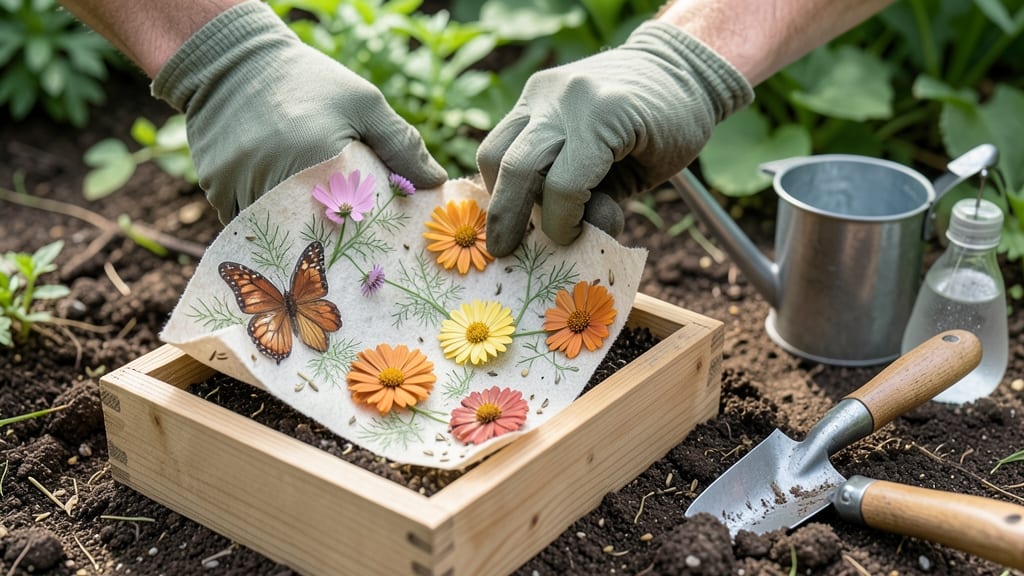
Planting wildflower seed paper transforms your yard into a pollinator paradise with minimal effort. 🌸 These biodegradable sheets dissolve into the soil, releasing native wildflowers that thrive with almost no maintenance—just water and sunlight.
I’ve used them in my own garden to create vibrant meadows that attract bees, butterflies, and hummingbirds within weeks.
The beauty of seed paper lies in its simplicity: no digging, no measuring, just lay it down and let nature take over. You’ll need a sunny spot, well-drained soil, and a gentle watering routine to keep the paper moist until germination.
Most varieties bloom in just 6-8 weeks, turning bare patches into colorful, ecologically rich landscapes.
Once planted, these wildflowers require little care beyond occasional watering during dry spells. They’ll self-seed year after year, creating a low-maintenance garden that supports local ecosystems. The best time to plant is in early spring or fall, when soil temperatures are mild and moisture is consistent.
Perfect for gardeners who want beauty without the upkeep, seed paper works in flower beds, along fences, or even in containers. Whether you’re restoring a pollinator habitat or adding seasonal color, this method delivers results faster than traditional seeding. Let’s get those blooms growing!
📚 In This Guide
- What you need
- Instructions
- Tips and common mistakes
- Wrapping up and next steps
What you need
- ● Wildflower seed paper – 1-2 sheets (check for native species and seed density; thicker papers hold more seeds).
- ● Water – A spray bottle (for gentle moisture) or a watering can (for larger areas).
- ● Soil or growing medium – Lightweight potting mix, compost, or directly into garden soil (ensure it’s well-draining).
- ● Sunlight access – A spot with at least 4-6 hours of direct sunlight daily (wildflowers thrive where they can soak up the rays!).
- ● A small hand trowel or your fingers (for pressing seeds gently into soil).
- ● A lightweight cloth or paper towel (to keep seeds moist during germination).
- ● A ruler or measuring tape (to mark spacing if planting multiple sheets).
- ● Mulch or straw (to retain moisture in dry climates).
- ● Timing: Plant in spring or early fall for optimal germination (avoid frost or extreme heat).
- ● Location prep: Clear debris and loosen soil slightly (no need to dig deep—wildflowers love a natural feel!).
- ● Patience: Germination can take 2-4 weeks (or longer for slow starters like poppies!).
Step-by-Step instructions for planting wildflower seed paper
Transform your garden into a vibrant ecosystem with these simple steps for planting wildflower seed paper.
🌱 Step 1: Prepare the Planting Site
Choose a sunny location with 6-8 hours of direct sunlight daily—wildflowers thrive where they get plenty of light. Clear the area of weeds or grass by removing them by hand or using a hoe to scratch the soil surface. You’ll want the ground to be loose and ready for seeds to make contact with the soil.
Loosen the top 2-3 inches of soil with a rake or garden fork to break up any compacted layers. This ensures roots can push through easily when they begin to grow. If your soil is heavy clay, mix in a 2-inch layer of compost to improve drainage and fertility. Avoid tilling deeply—wildflowers grow best in undisturbed soil that mimics their natural habitat.
💧 Step 2: Moisten the Soil and Position the Seed Paper
Water the prepared area thoroughly until the soil is evenly damp but not soggy. You’ll know it’s ready when water runs off the surface slightly but doesn’t pool. Let the excess water absorb for about 30 minutes before handling the seed paper—this prevents the paper from sticking or dissolving prematurely.
Carefully unfold the wildflower seed paper and place it directly onto the damp soil. Press it gently but firmly into the ground, ensuring it makes full contact with the surface. The paper will dissolve naturally as it rains or as you water, releasing the seeds into the soil. If you’re planting in a windy area, secure the edges with small rocks or a lightweight landscape fabric until the seeds germinate.
☀️ Step 3: Water and Protect Until Germination
Keep the soil consistently moist for the first 2-3 weeks—this is critical for seed germination. Water lightly every 2-3 days or whenever the top inch of soil feels dry to the touch. Avoid heavy watering, which can wash away seeds or cause the paper to dissolve too quickly. A gentle misting with a spray bottle works best for maintaining even moisture.
Protect the area from heavy foot traffic or pets until you see the first signs of growth. Wildflower seeds often take 10-24 days to sprout, depending on temperature and moisture. Once seedlings appear, you’ll notice tiny green shoots pushing through the soil—this is your signal that the seeds have successfully taken root. Reduce watering slightly after germination, allowing the soil to dry out between waterings to prevent fungal diseases.
✂️ Step 4: Maintain and Enjoy Your Wildflower Meadow
Once the wildflowers are established—typically after 4-6 weeks—reduce watering to encourage deep root growth. Wildflowers are drought-tolerant once mature, so let the soil dry out between waterings. Avoid fertilizing, as wildflowers thrive in nutrient-poor conditions that mimic their natural environment. If weeds begin to compete, hand-pull them early before they establish deep roots.
Let the flowers bloom and go to seed if you want to encourage more wildflowers next year. You can also collect seeds from mature plants to replant in other areas. Over time, your wildflower meadow will attract pollinators like bees and butterflies, creating a biodiverse and low-maintenance garden that flourishes with minimal effort.
Tips & tricks for perfect wildflower seed paper planting
A few strategic moves will help your wildflower meadow thrive from the very first planting.
Sunlight Secret: That 6-8 hours of sunlight isn't just a suggestion—it's non-negotiable for most wildflower varieties. If your garden only gets partial sun, consider planting sun-loving varieties like black-eyed Susans or coreopsis in the sunniest spot and shade-tolerant species like columbine in the dappled areas. I've seen seed paper fail completely when planted in too-shady conditions, even with perfect care afterward.
Soil Prep Strategy: When loosening those top 2-3 inches of soil in Step 1, think "gentle disturbance" rather than deep tilling. Wildflowers evolved in undisturbed soils—they don't need rich, tilled beds. If you're working with clay soil, that 2-inch compost layer is your best friend, but mix it in just enough to break up compaction without creating a garden bed. I learned this the hard way after over-tilling and creating conditions that favored weeds over wildflowers.
Timing is Everything: The 30-minute wait after watering in Step 2 prevents the seed paper from sticking or dissolving prematurely. Use this time to gather your tools or sketch a quick planting map. Pro tip: If you're planting in windy conditions, place a few small rocks at the corners now—they'll keep your seed paper from blowing away while you finish prepping the area. This small precaution saved my first planting from becoming a wind-blown disaster.
Watering Wisdom: During the critical 2-3 week germination period, think "consistent moisture" rather than "soaking." A gentle misting with a spray bottle maintains even moisture without disturbing the delicate seed paper. I've found that watering in the early morning gives the soil time to dry slightly during the day, which actually helps prevent fungal diseases that can attack tender seedlings. The key is keeping that top inch of soil damp but never soggy.
Pro Tips for Plant Wildflower Seed Paper
- A few strategic moves will help your wildflower meadow thrive from the very first planting.
- Sunlight Secret: That 6-8 hours of sunlight isn't just a suggestion—it's non-negotiable for most wildflower varieties.
- Soil Prep Strategy: When loosening those top 2-3 inches of soil in Step 1, think "gentle disturbance" rather than deep tilling.
Frequently asked questions
Got questions about planting wildflower seed paper?
Here are answers to the most common ones—so you can grow your biodiverse blooms with confidence!
When is the best time to plant wildflower seed paper?
The ideal time depends on your climate, but spring (after the last frost) or early fall are the sweet spots. Seed paper thrives in mild, moist soil—avoid planting when temperatures are extreme or during drought. If you’re in doubt, check the seed paper’s instructions for region-specific tips!
How much water does seed paper need after planting?
Keep the soil consistently moist (not soggy) for 2-3 weeks while the seeds germinate. Water gently 1-2 times daily or use a spray bottle to avoid dislodging the paper. Once sprouts appear, reduce to regular watering—wildflowers are tough once established!
Can I plant seed paper in containers or just gardens?
Seed paper works in garden beds, pots, hanging baskets, or even window boxes. Just ensure the container has drainage and depth (at least 6 inches). For containers, use lightweight potting mix and keep them in a sunny spot. Bonus: It’s a great way to add color to balconies or patios!
Will seed paper attract bees or pests I should worry about?
Wildflower seed paper is a magnet for pollinators like bees and butterflies—which is the goal! While some insects may visit, they’re harmless and essential for ecosystems. Avoid planting near food crops if you’re concerned about pests, but most wildflowers deter harmful critters naturally. Just enjoy the buzz!
What if my seed paper doesn’t sprout? Troubleshooting tips.
Don’t panic! Common issues include:
- Dry soil: Seed paper needs moisture to break down. Water thoroughly and cover with a thin layer of mulch if needed.
- Too much shade: Most wildflower mixes need 6+ hours of sunlight. Relocate if your spot is too shady.
- Old seeds: Check the expiration date—seed paper lasts 1-2 years unopened.
- Poor soil: Amend with compost if your soil is rocky or compacted.
Wrapping up and next steps
Planting wildflower seed paper is a simple yet impactful way to bring beauty and biodiversity to your space—whether it’s a windowsill, balcony, or garden. By following these steps, you’re not just growing flowers; you’re nurturing pollinators, supporting local ecosystems, and creating a sustainable, eco-friendly project. 🌸
Now that you’re ready to plant, take the next step: share your blooming success with friends or even start a seed-paper swap to inspire others! Every small action helps grow a greener, more vibrant world.