
Lawn
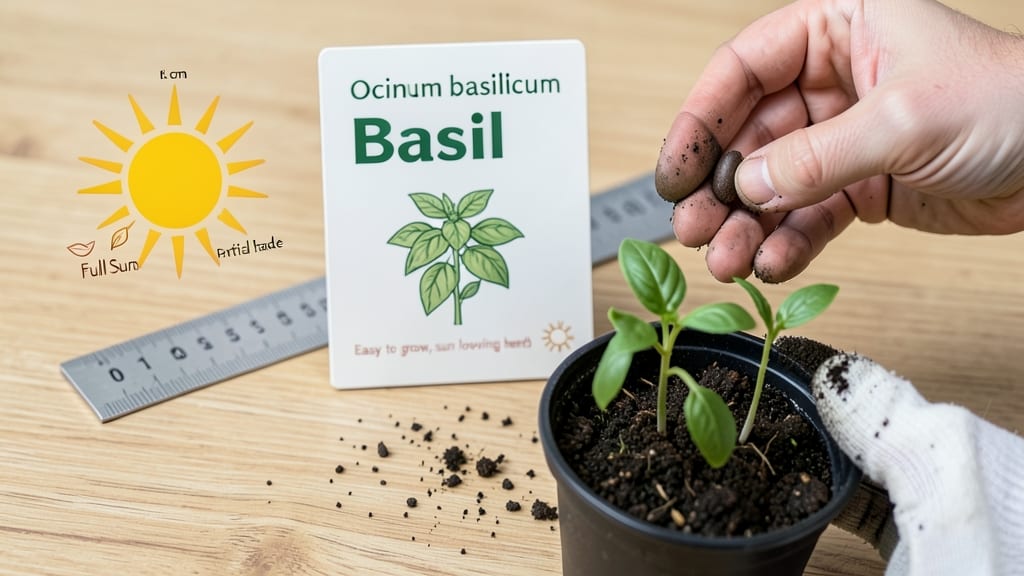
Reading a seed packet isn't rocket science—it's the secret to growing what you plant, not what the store sells. 🌱 Every packet holds clues about sunlight, soil, and spacing that turn wishful thinking into actual harvests.
I've planted enough seeds to know that ignoring these details is how you end up with a forest of weeds instead of dinner. The numbers and terms might look like a foreign language at first, but they boil down to three critical questions: How deep do I plant?
How far apart? And when will I actually eat this? A tomato seed packet might say "plant 1/4 inch deep" and "space 18-24 inches apart"—those aren't suggestions, they're instructions for success. Skimp on depth or crowd the plants, and you'll spend summer pulling up leggy, fruitless vines.
What you'll get when you follow these guidelines is a garden that thrives instead of struggles. Your basil won't bolt to seed in a week, your carrots won't fork into gnarled shapes, and your zucchini won't collapse under their own weight.
The packet's advice isn't just theory—it's the result of years of trials where gardeners figured out what works. Here's the kicker: most seed packets also list days to maturity, which tells you when to start seeds indoors so they're ready to harvest at the right time.
Confusing that with germination time? That's how you end up with sad, stunted plants. Let's decode this together—no guesswork required.
📚 In This Guide
- What you need
- Instructions
- Tips and common mistakes
- Wrapping up and next steps
What you need
- ● Seed packet – The star of the show! Ensure it’s unopened or clearly labeled with planting details.
- ● Magnifying glass or reading glasses – Tiny text? No problem! A magnifier helps spot fine print.
- ● Notebook or digital notes app – Jot down key details like planting depth, spacing, and maturity dates.
- ● Ruler or measuring tape – For verifying spacing and depth requirements (inches or centimeters).
- ● Calendar or planting guide – Compare maturity dates with your last frost date (find it here).
- ● Pencil or highlighter – Circle or underline critical info to avoid missing it later.
- ● Seed packet storage organizer – Keep packets sorted by type, season, or maturity date.
- ● Smartphone with a scanner app – Snap a photo of the packet for digital backup.
- ● Garden journal – Track planting dates, germination progress, and harvest times.
- ● Soil thermometer – Some seeds need specific soil temps to germinate (check the packet!).
How to read a seed packet: decode planting depth, spacing, and maturity dates
Here's how I break down seed packets to avoid common mistakes and grow thriving plants.
📜 Step 1: Check the Plant Name and Variety
The top of the packet lists the plant name and variety—this tells you exactly what you're growing. For example, "Heirloom Cherry Tomato 'Sweet 100'" means you're planting a small, sweet tomato variety perfect for snacking. I always write the variety name on my planting calendar so I don't confuse similar plants later.
Look for keywords like "heirloom," "hybrid," or "organic" that indicate special traits. Heirloom varieties often have unique flavors but may require more care, while hybrids are bred for disease resistance. This helps me decide if the plant fits my garden goals or climate zone.
🌱 Step 2: Decode Planting Depth and Spacing
Seed packets list depth (how deep to plant) and spacing (how far apart plants should be). For example, you might see "Plant 1/4 inch deep" and "Space plants 18 inches apart." I plant seeds at twice their diameter if no depth is listed—this ensures they won’t be buried too deep and struggle to emerge.
Spacing is crucial for airflow and root growth. Crowding leads to competition for nutrients and increases disease risk. If the packet says "thin to 12 inches," it means you’ll plant more seeds initially but remove weaker seedlings later to leave only the strongest ones.
📅 Step 3: Understand Days to Maturity and Planting Time
The days to maturity tells you how long until harvest. For example, "60 days to harvest" means you’ll need to start seeds 8-10 weeks before your last frost date if you’re growing cool-season crops like lettuce. I calculate backward from my frost date to plan my planting schedule.
Some packets also list planting time (e.g., "Plant after last frost" or "Direct sow in spring"). This helps you avoid planting too early (seeds may rot) or too late (plants won’t mature before winter). If no frost date is mentioned, assume the plant thrives in your climate year-round.
☀️ Step 4: Review Light and Soil Requirements
Look for notes on sunlight (e.g., "full sun" = 6+ hours daily) and soil type (e.g., "well-draining," "sandy loam"). If the packet says "partial shade," I place the plant where it gets 3-6 hours of morning sun to avoid scorching leaves.
Some packets include soil pH preferences (e.g., "acidic soil"). If your soil isn’t ideal, I amend it with compost or sulfur before planting. Ignoring these details can lead to stunted growth or poor yields—like planting blueberries in alkaline soil and watching them struggle.
⚠️ Step 5: Spot Common Pitfalls and Pro Tips
Watch for warnings like "Keep soil moist" or "Avoid transplant shock." I always water gently after planting to prevent washing seeds away. If the packet says "soak seeds overnight," I use a bowl of warm water to soften hard coatings and speed germination.
Some packets include harvest tips (e.g., "Pick regularly to encourage production"). I mark these in my garden journal to remind myself. Also, check for special care notes, like "Pinch back flowers for bushier growth"—this ensures I don’t miss key steps that boost yields.
Tips & tricks for decoding seed packets like a pro
Confession: I used to ignore half the information on seed packets—until my first batch of crowded tomatoes proved me wrong. Here's what nobody tells you about reading those tiny details that make all the difference.
Plant Name and Variety: The variety name isn't just for show—it tells you everything about the plant's characteristics. For example, "Sweet 100" tomatoes are bred specifically for sweetness and small size, while "Beefsteak" varieties are meaty and perfect for sandwiches. I keep a simple chart in my gardening notebook to compare varieties side-by-side, noting which ones thrive in my climate and which ones I'll never grow again after one disappointing season.
Depth and Spacing: That 1/4-inch depth recommendation isn't arbitrary—it's based on the seed's size and germination needs. For larger seeds like beans, I use the "twice the diameter" rule as a backup, but I always double-check the packet first. The spacing instructions are equally critical: those 18-inch recommendations aren't suggestions—they're calculated to prevent disease spread and give roots room to grow. I've learned the hard way that crowding plants leads to fungal issues and poor yields.
Days to Maturity: The 60-day mark isn't just a number—it's your countdown to harvest. For cool-season crops, I calculate my planting window by working backward from my last frost date (usually 8-10 weeks before). Pro tip: If your packet says "60 days to harvest" but you're in Zone 5, you might need to start seeds indoors 4-6 weeks before your last frost to get that full growing season. I always mark these dates on my calendar with colored pens so I don't miss planting windows.
Soil and Light Secrets: That "acidic soil" note isn't optional—blueberries, for example, won't thrive in alkaline soil no matter how much you water them. I keep a soil test kit handy and adjust my beds with compost or sulfur before planting acid-loving plants. For sunlight, I use a simple trick: if the packet says "full sun," I place my hand where I'll put the plant—if my shadow disappears after 6 hours, that's full sun. This visual cue helps me avoid common mistakes with partial shade placements.
Pro Tips for Read A Seed Packet
- Confession: I used to ignore half the information on seed packets—until my first batch of crowded tomatoes proved me wrong.
- Plant Name and Variety: The variety name isn't just for show—it tells you everything about the plant's characteristics.
- Depth and Spacing: That 1/4-inch depth recommendation isn't arbitrary—it's based on the seed's size and germination needs.
Frequently asked questions
Got questions about decoding seed packets? You’re not alone! Here are answers to the most common ones—so you can plant with confidence and avoid costly mistakes.
What if my seed packet doesn’t list planting depth or spacing?
Most packets provide this info, but if yours is missing details, check the USDA Plant Guide or the Gardener’s Network for your specific plant. As a general rule, small seeds (like lettuce) need shallow planting (¼ inch), while larger seeds (like beans) can go deeper (1–2 inches). When in doubt, err on the side of shallower!
Does the “days to maturity” mean from planting or germination?
The maturity date always counts from the day of planting, not germination. For example, if a packet says “50 days to harvest” and your seeds take 7 days to sprout, you’ll still harvest around day 50 after planting. Pro tip: Use a planting calendar to track progress and adjust for your climate zone!
Can I plant seeds closer together than the spacing suggests?
Yes, but only if you’re okay with thinning later. Crowding seeds can lead to competition for nutrients, water, and sunlight, resulting in weaker plants. If you’re short on space, try succession planting—sow small batches every 2–3 weeks instead of all at once. Just be prepared to thin seedlings to the recommended spacing once they’re 2–3 inches tall.
What if my seed packet says “harden off” but I’m not sure what that means?
“Harden off” means gradually acclimating young seedlings to outdoor conditions before transplanting. Start by placing them outside in a sheltered spot for 1–2 hours a day, increasing time over 5–7 days. Watch for wilting or stress—if leaves look droopy, bring them back inside and try again the next day. This step is crucial for tender plants like tomatoes or peppers!
My seeds aren’t germinating—what could be wrong?
Check these common culprits:
- Temperature: Too cold? Use a heat mat or wait for warmer soil.
- Moisture: Keep soil consistently damp (not soggy) until sprouts appear.
- Depth: Planting too deep can suffocate seeds—follow the packet’s guidelines.
- Freshness: Old seeds (2+ years) may have low viability. Test a few in a damp paper towel to see if they sprout.
Wrapping up and next steps
Reading a seed packet might seem like decoding a secret language at first, but now you’ve got the keys to unlock its potential! 🌱 Whether it’s planting depth, spacing, or maturity dates, understanding these details ensures your lawn or garden thrives.
Don’t let uncertainty hold you back—grab those seeds, follow the guidelines, and watch your green dreams grow.
Ready to take the next step? Start small—plant a few seeds, track your progress, and soon you’ll be a pro at interpreting every packet like a seasoned gardener. Happy planting! 🌿