
Planting
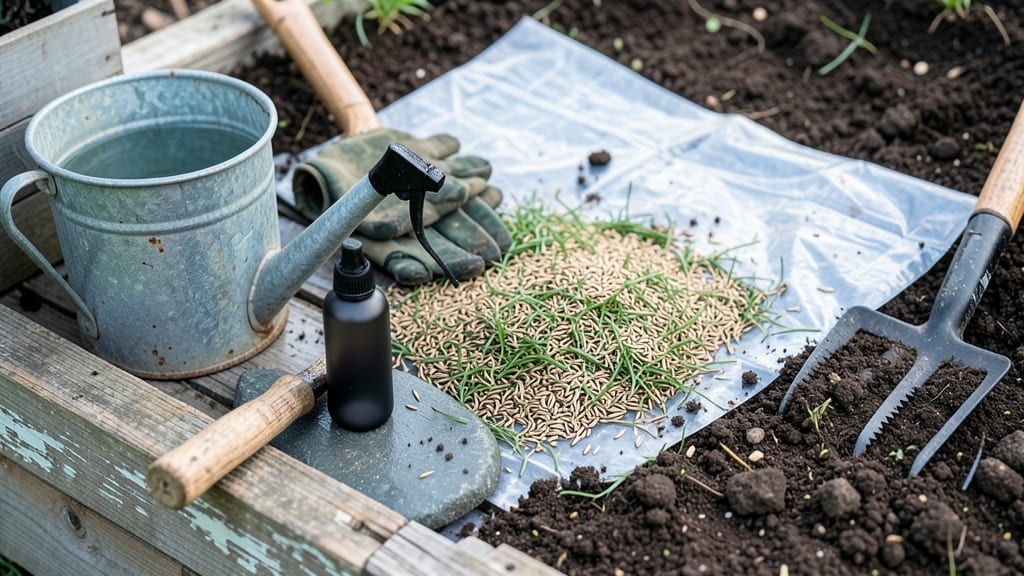
Speeding up grass seed germination means seeing those first green blades in days instead of weeks. 🌱 I’ve watched lawns transform from bare patches to lush carpets by tweaking just a few key factors—warmth, moisture, and soil prep.
The secret isn’t complicated, but skipping these steps can leave you waiting months for results.
Start by testing your soil’s pH and loosening the top layer—compacted dirt smothers seeds. For cool-season grasses like fescue, a light scarification (scratching the soil surface) helps seeds make contact.
Warm-season types like Bermuda need a quick pre-watering to wake them up. Think of it like giving your seeds a cozy blanket to snuggle into.
After planting, keep the soil consistently moist—like a wrung-out sponge—not soggy. A light mulch of straw holds in moisture without suffocating sprouts. Within 7-14 days, you’ll see tiny shoots pushing through, and with the right care, they’ll thicken into a vibrant lawn faster than you’d expect.
This method works for patches, full lawns, or even container grass—just adjust watering based on your climate. The key is patience with precision. Once you nail these steps, germination becomes predictable, not a gamble.
📚 In This Guide
- What you need
- Instructions
- Tips and common mistakes
- Wrapping up and next steps
What you need
- ● High-quality grass seed: Choose fast-germinating varieties like perennial ryegrass (5–10 days) or annual ryegrass (7–14 days). Aim for 1–5 lbs per 100 sq ft, depending on your lawn’s needs.
- ● Seed starter mix or potting soil: Lightweight, sterile blend (e.g., Miracle-Gro Seed Starting Potting Mix). Avoid garden soil—it’s too dense and may harbor pests.
- ● Quantity: Enough to fill your trays or containers 2–3 inches deep.
- ● Seed trays or containers: Plastic seed trays (with drainage holes) or biodegradable peat pots (3–4 inch diameter).
- ● Quantity: 1 tray per 1–2 sq ft of lawn you’re prepping (or enough pots for your seed volume).
- ● Watering can or spray bottle: Fine-mist spray nozzle (to avoid displacing seeds) or a gentle watering can.
- ● Heat mat or seedling heat pad: Electric heat mat (e.g., Growers Solution Heat Mat) or a DIY warm layer (old towels over a warm water bottle).
- ● Temperature range: 70–85°F (optimal for most grass seeds).
- ● Plastic wrap or humidity dome: Clear plastic wrap or a seedling dome to retain moisture.
- ● Grow lights or sunny windowsill: LED grow lights (12–16 hours/day) or a south-facing window (6+ hours of sunlight).
- ● Seed germination accelerator: Products like Bonide Seed Germinator or hydrogen peroxide (3%) (1 tsp per gallon of water) to boost early growth.
- ● pH test kit: Ensure your soil is 6.0–7.0 pH (grass loves neutral soil!).
- ● Fertilizer (low-nitrogen): Use a starter fertilizer (e.g., 10-10-10) only after germination (not before!).
- ● Thermometer: Monitor soil temperature to keep it in the ideal 70–85°F range.
- ● Tweezers or small rake: For gently pressing seeds into soil or transplanting seedlings.
Step-by-Step instructions for speeding up grass seed germination
Here’s how to get your lawn growing in record time—no shortcuts, just smart science.
🌱 Step 1: Prep the Soil for Maximum Moisture and Warmth
Start by raking the soil until it’s smooth and free of debris—this ensures even seed-to-soil contact, which is critical for germination. I like to work the soil just enough to loosen the top ½ inch; deeper tilling can bury seeds too deep or disrupt the soil’s natural structure. If your soil feels dry or clumpy, lightly water it until the top 1 inch is damp but not soggy. You’ll know it’s ready when a handful of soil crumbles easily between your fingers.
For best results, test the soil’s temperature with a soil thermometer—grass seeds germinate fastest when soil is between 65-75°F. If your lawn is cooler, lay down a layer of black plastic mulch or use a seedling heat mat for 24-48 hours before planting. This jumpstarts the warming process without overstressing the seeds.
💧 Step 2: Sow Seeds and Keep Soil Consistently Moist
Scatter the grass seed evenly, using about ⅓ more seed than the package recommends—this accounts for uneven coverage and bird scatter. Lightly rake the seeds into the soil with a stiff-bristled rake, pressing them just deep enough so they’re covered but not buried. You’ll see tiny furrows in the soil where the seeds settle—this is ideal. Immediately water the area with a fine mist (like a spray nozzle) until the soil is damp to a depth of 1 inch.
Here’s the trick: Keep the soil moist—not wet—for the entire germination period. I set up a drip irrigation system or water twice daily (morning and evening) for 10-15 minutes each time. You’ll know you’ve got it right when the soil surface looks slightly dark but doesn’t form puddles. Overwatering suffocates seeds, while underwatering halts growth. A simple touch test—press your finger into the soil—tells you instantly if it’s time to water again.
☀️ Step 3: Optimize Light and Temperature for Rapid Sprouting
Grass seeds need full sun (6+ hours daily) to germinate, but direct afternoon sun can dry out the soil too quickly. If your climate is hot, shade the area with lightweight row covers or a shade cloth during peak sun hours (11 AM–3 PM) for the first 3-5 days. Remove the cover once you see the first sprouts—this prevents overheating while still protecting tender seedlings.
Monitor the soil temperature daily. If it drops below 60°F, germination slows dramatically. A clear plastic sheet laid over the seeded area (and removed during watering) traps heat and moisture, creating a mini greenhouse effect. You’ll see the first sprouts in 5-14 days, depending on the grass type—cool-season grasses like Kentucky Bluegrass germinate faster in warm soil, while warm-season grasses like Bermuda need consistent heat.
⏰ Step 4: Maintain Conditions Until Full Germination
Once the first sprouts appear, switch to shallow, frequent watering—soak the soil to a depth of ½ inch twice daily until the seedlings reach 2 inches tall. This encourages deep root growth. You’ll notice the seedlings turn a deeper green and stand upright; if they look pale or flop over, they’re thirsty or need more light.
After 3-4 weeks, when the grass is 3-4 inches tall, gradually reduce watering to deep, infrequent soakings (every 3-4 days). This trains the roots to seek moisture deeper in the soil. Avoid walking on the lawn until the grass reaches 3 inches—this prevents compaction and damage to the delicate root systems. With these conditions, you’ll have a lush, uniform lawn in half the time it takes with standard methods.
Tips & tricks for perfect grass seed germination
Here's what nobody tells you about creating the ideal conditions for your grass seeds to thrive.
Soil Temperature Secret: That 65-75°F range in Step 1 isn't just a recommendation—it's the sweet spot where grass seeds activate their enzymes for germination. I learned this the hard way after planting in 58°F soil and watching germination stretch to three weeks instead of the expected 7-10 days. Use a soil thermometer for accuracy, especially in early spring or fall when temperatures fluctuate. For cooler climates, consider a seedling heat mat for just 24-48 hours before planting to give your seeds that critical temperature boost without overstressing them.
Watering Technique: The 10-15 minutes of morning and evening watering in Step 2 might seem like a lot, but here's the thing: grass seeds need consistent moisture to stay hydrated through their entire germination process. I've seen seeds dry out within hours when watered less frequently. Use a fine mist setting on your hose or watering can to avoid displacing seeds, and always check soil moisture by pressing your finger about 1 inch deep—it should feel like a damp sponge, not a wet sponge or dry powder.
Shade Strategy: That 3-5 day shade period in Step 3 is crucial for preventing soil moisture loss during peak sun hours. I've found that lightweight row covers work better than shade cloth because they allow some light penetration while still providing protection. Remove them immediately when you see the first sprouts—usually within 3-5 days—to prevent overheating of the tender seedlings. This balance is what transforms potential into actual growth.
Seed Depth Visual: When you lightly rake seeds into the soil in Step 2, aim for just enough coverage so the seeds are nestled in the furrows but not buried deeper than ¼ inch. I think of it like sprinkling confetti on a cake—just enough to see it but not so much that it disappears. This shallow placement ensures seeds get the light they need to break through while staying protected from birds and wind.
Pro Tips for Speed Up Grass Seed Germination
- Here's what nobody tells you about creating the ideal conditions for your grass seeds to thrive.
- Soil Temperature Secret: That 65-75°F range in Step 1 isn't just a recommendation—it's the sweet spot where grass seeds activate their enzymes for germination.
- Watering Technique: The 10-15 minutes of morning and evening watering in Step 2 might seem like a lot, but here's the thing: grass seeds need consistent moisture to stay hydrated through their entire germination process.
Frequently asked questions
Got questions about speeding up grass seed germination? You’re not alone! Here are some of the most common concerns—and their answers—to help you get that lush lawn growing faster.
How long does it take for grass seed to germinate?
Germination time varies by grass type, but most cool-season grasses sprout in 7–21 days, while warm-season grasses take 10–30 days. Ideal conditions (consistent moisture, warmth, and light) can cut this time by half. Patience is key—don’t disturb the soil if you don’t see sprouts yet!
Can I speed up germination in cold weather?
Yes! If temperatures dip below 50°F (10°C), use a seed heating mat or cover the area with black plastic sheeting to trap warmth. For extra speed, pre-soak seeds in lukewarm water for 12–24 hours before planting. Just remove the cover once sprouts appear to avoid overheating.
What’s the best way to keep soil moist without drowning the seeds?
Use a light misting (like a spray bottle) or a soaker hose to keep the top 1–2 inches of soil damp, not soggy. Water twice daily in hot weather or daily in cooler conditions. A lightweight mulch (like straw) helps retain moisture without smothering seeds.
Will grass seed still germinate if I plant it too deep?
Plant seeds ¼ inch deep for fine grasses (like fescue) and ½ inch deep for larger seeds (like Bermuda). Planting too deep slows germination because seeds need light and air to sprout. If you’ve already buried seeds too deep, loosen the soil gently and sprinkle fresh seeds on top.
What should I do if my grass seeds aren’t sprouting after 3 weeks?
First, check moisture—seeds need consistent dampness to germinate. If the soil is dry, water thoroughly and wait another week. If no sprouts appear, test the seed viability by placing a few in a damp paper towel; if they don’t sprout in 3–5 days, they may be old or damaged. Consider replanting with fresh seed.
Does sunlight affect how fast grass grows?
Yes! Grass seeds need 4–6 hours of sunlight daily to germinate properly. If your lawn is shady, choose shade-tolerant varieties like fine fescue. For speedier growth, avoid planting in deep shade—even partial sun helps. Once sprouts appear, thin them out to prevent overcrowding.
Wrapping up and next steps
Speeding up grass seed germination is all about creating the perfect conditions—warmth, moisture, and patience—while avoiding common pitfalls like overwatering or inconsistent soil temps. By following these tricks, you’ll see those first green shoots break through the soil faster than ever! 🌱✨
Now that you’re armed with the know-how, roll up your sleeves and get planting. Start small with a test patch to fine-tune your approach, then expand as confidence grows. Happy gardening—your lush lawn is just days (or weeks!) away! 🌿💚