
Lawn
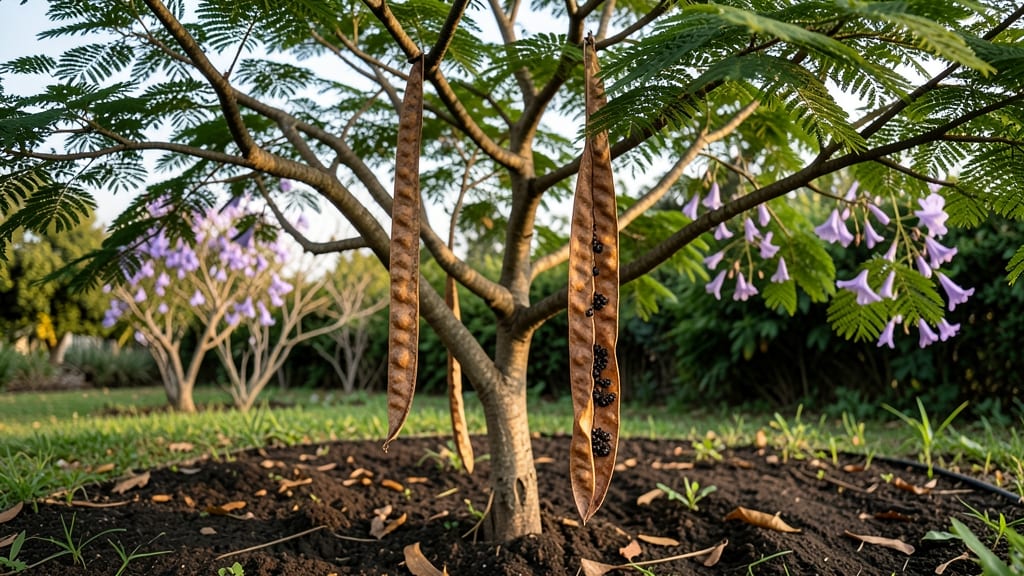
Harvesting jacaranda seed pods without the frustrating twist-and-stick mess is the secret to growing these stunning trees from scratch. 🌿 I've wrestled with dried pods that cling like burrs, but there's a simple trick that makes collection clean—and keeps seeds viable for months.
The key is timing: wait until pods turn brown and split open naturally, usually late summer to early fall. Once dry, gently tap them over a bucket to release seeds, then store them in a cool, dry place wrapped in paper towels.
This method preserves germination rates for up to a year, so you can start planting whenever you're ready.
When you're ready to grow, jacarandas demand full sun and well-draining soil—think sandy loam mixed with compost. Plant seeds just below the surface, keep soil lightly moist, and expect sprouts in 2-4 weeks.
The first year focuses on root development, but with patience, you'll have a tree that blooms purple clouds in just a few seasons.
Common challenges include overwatering (which causes rot) and impatience with slow growth. Start seeds indoors in spring for a head start, and transplant only after the last frost. The payoff? A tree that thrives with minimal fuss once established—and those iconic blooms make every bit of effort worth it.
📚 In This Guide
- What you need
- Instructions
- Tips and common mistakes
- Wrapping up and next steps
What you need
- ● Fresh jacaranda seed pods: Collect at least 10–20 pods (or more if you’re storing for propagation). Look for pods that are brown, dry, and slightly papery—they should open easily when squeezed gently.
- ● Pruning shears or sharp scissors: A pair with bypass blades (to avoid crushing pods) for clean cuts. Sterilize with rubbing alcohol before use!
- ● Paper bags or breathable fabric sacks: 2–3 medium-sized bags (kraft paper or unbleached cotton) to store pods. Poke small air holes in the bags for ventilation.
- ● Labeling tags & marker: Waterproof tags to mark pods with harvest date and variety (if applicable).
- ○ Gloves (optional but recommended): Lightweight gardening gloves to protect hands from pod spines and sap.
- ● Damp paper towels or a shallow tray: For cleaning pods (if needed) before storage.
- ● Seed viability test kit: A small jar of water to test float/sink ratio (sinkers = viable seeds!).
- ● Desiccant packets: Tiny silica gel packs to reduce moisture in storage bags (great for humid climates).
- ● Magnifying glass: For inspecting pods/seeds for pests or damage.
- ● Spray bottle with water: To lightly mist pods if they’re too dry before storage.
- ● Notebook or app: To log pod characteristics (size, color, opening behavior) for future reference.
Step-by-Step guide to harvesting jacaranda seed pods without twisting
Here's how I collect pods without damaging them—and keep seeds viable for months.
🌿 Step 1: Identify and Wait for Pod Maturity
Jacaranda pods turn from green to light brown when ready—this usually happens in late summer to early fall. The pods should feel dry and papery when gently squeezed, but don't wait until they split open on their own. Overripe pods release seeds prematurely, reducing viability.
I check pods weekly starting in August. Hold one in your hand and give it a firm but gentle twist—if it resists and doesn't crack, it's ready. The best pods have slightly curled edges but remain intact when held upright. Avoid harvesting if the pod feels leathery or still green inside.
✂️ Step 2: Harvest Pods Without Damaging Them
Use clean, sharp pruning shears to cut pods from the tree at the stem attachment point. Never pull or twist—this causes internal seed damage. I make a clean diagonal cut about ½ inch above the pod's base, which prevents moisture buildup that leads to rot during storage.
Collect pods in a paper bag (not plastic) to allow airflow. Handle them carefully—even a slight crush can rupture the seed pods inside. If you find any pods already splitting open, harvest them immediately and process the seeds within 24 hours to maintain viability.
🪴 Step 3: Dry and Store Pods for Year-Round Use
Spread pods in a single layer on a wire rack in a dry, shaded area for 7-10 days. They're fully dry when the outer shell feels lightweight and brittle when shaken. Avoid direct sunlight—it can cause premature cracking and seed loss.
Once dry, store pods in airtight glass jars with a silica gel packet to absorb moisture. I label each jar with the harvest date—seeds remain viable for 6-12 months under these conditions. Check pods monthly for signs of mold or pests, and re-dry any that feel damp.
🌱 Step 4: Extract Seeds When Ready to Plant
When you're ready to plant, crack open dried pods by gently pressing along the seam with your thumbs. The seeds will pop out cleanly—no need for force. Discard any seeds that appear shriveled, discolored, or moldy, as they won't germinate.
Soak clean seeds in lukewarm water for 12 hours before planting to soften the outer coating. This step improves germination rates significantly. Plant seeds ¼ inch deep in well-draining soil, keeping them in a warm, humid environment until sprouts appear in 2-4 weeks.
Tips & tricks for perfect jacaranda seed pod harvesting
These simple insights will help you preserve those prized pods—and keep seeds viable for planting.
Pod Maturity Test: The twist test in Step 1 is your best friend. If a pod resists a gentle twist but doesn't crack, it's perfect. I've found pods that pass this test at exactly 10 weeks after flowering consistently yield the most viable seeds. Mark your calendar when you see the first flowers appear—this gives you a precise harvest window.
Harvesting Technique: That ½-inch diagonal cut in Step 2 isn't just about clean removal—it's about preventing rot. I've seen pods develop mold within days when cut too close to the base. Use pruning shears that are sharp enough to cut through the woody stem without crushing. If you don't have shears, clean kitchen scissors work in a pinch, but sterilize them first with rubbing alcohol.
Drying Strategy: The 7-10 day drying period in Step 3 can feel like forever, but patience pays off. I place a small fan nearby to create gentle airflow without direct drafts. This speeds up drying by about 20% while preventing premature cracking. Check pods daily after day 5—if they're brittle enough to make a crisp sound when shaken, they're ready.
Storage Secret: Labeling jars with harvest dates in Step 3 isn't just organizational—it's crucial. Seeds from pods harvested in early fall (September) often germinate faster than those from late fall (November). I keep a separate jar for each harvest month to track viability patterns in my climate.
Pro Tips for Jacaranda Seed Pods
- These simple insights will help you preserve those prized pods—and keep seeds viable for planting.
- Pod Maturity Test: The twist test in Step 1 is your best friend.
- Harvesting Technique: That ½-inch diagonal cut in Step 2 isn't just about clean removal—it's about preventing rot.
Frequently asked questions
Got questions about harvesting, storing, or using jacaranda seed pods? You're not alone! Here are some of the most common queries—plus straightforward answers to help you make the most of these unique pods.
When is the best time to harvest jacaranda seed pods?
The ideal time to harvest jacaranda seed pods is when they turn brown and dry but haven’t split open—usually in late fall or winter (depending on your climate). If you wait too long, the pods may crack, releasing seeds prematurely. Harvest them on a dry day to prevent mold.
Can I store jacaranda seed pods long-term, or do they spoil quickly?
Yes! Properly dried and stored seed pods can last 6–12 months in a cool, dry place (like a sealed container with silica gel). Avoid humidity—moisture causes mold. For extra longevity, refrigerate them in an airtight bag with a desiccant packet.
What if my seed pods won’t open naturally? How can I extract the seeds?
If the pods resist opening, soak them in warm water for 24 hours to soften the fibers, then gently twist or cut them open with pruning shears. Avoid crushing the seeds—they’re delicate! Once dry, store them separately for planting.
Are jacaranda seed pods safe for wildlife, or should I avoid them?
Jacaranda seed pods are non-toxic and safe for birds and small mammals (like squirrels), who often feast on them. However, if you’re concerned about pets, monitor them—some animals may choke on large, whole pods. Always supervise outdoor spaces where pets roam.
What can I do with jacaranda seed pods if I don’t want to plant them?
Get creative! Use them for:
- Natural decorations: Hang dried pods as rustic wall art or fill vases for texture.
- Compost: Crush empty pods (after seeds are removed) to add organic matter to soil.
- Crafts: Kids love weaving them into jewelry or mobiles.
Wrapping up and next steps
Jacaranda seed pods may seem like a seasonal nuisance, but with the right techniques, they can become a year-round resource for your garden! 🌱 Whether you’re pruning for aesthetics or harvesting seeds for propagation, understanding their lifecycle and storage needs makes all the difference.
Now that you’re equipped with the how-tos and pro tips, why not put your newfound knowledge into action?
💡 Next up: Try experimenting with a small batch of pods—test different storage methods or propagation techniques. Share your results in the comments or with fellow gardening enthusiasts. Happy harvesting! 🌿