
Lawn
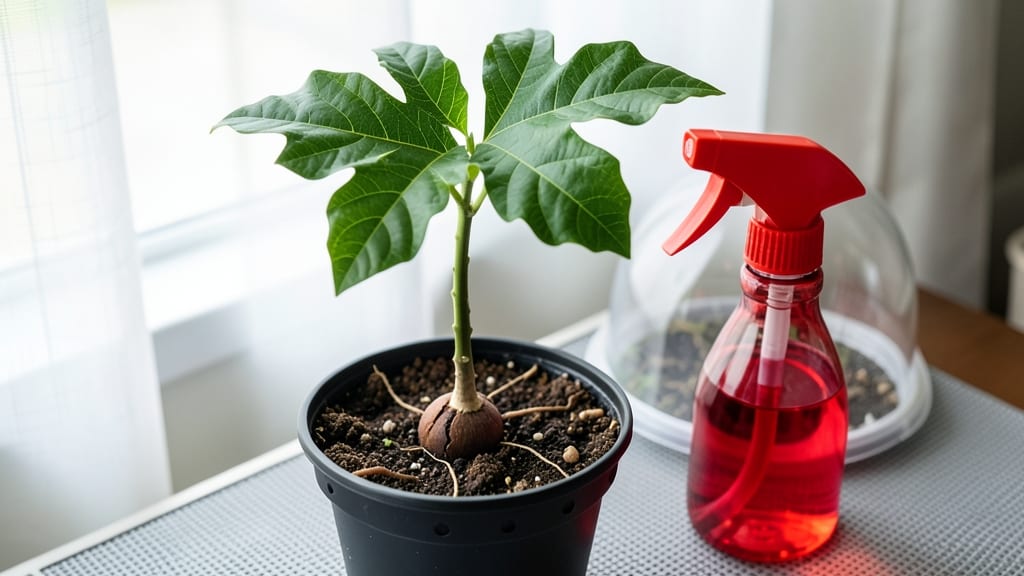
Your jackfruit seed sprout could crack open in as little as 7 days—if you nail the moisture balance. 🌱 The key isn’t just keeping soil damp; it’s mimicking the humid, warm conditions where jackfruit thrives in the wild.
That first green shoot is worth every daily check, because once it breaks through, growth accelerates fast.
Start with a clear plastic dome or sealed container to trap humidity, and use a mix of 50% peat moss and 50% perlite—this prevents soggy soil while holding moisture where the seed needs it most.
Jackfruit seeds hate drying out, but they also rot if smothered. Test moisture by squeezing the soil: it should feel like a wrung-out sponge, not a swamp.
By day 10, you’ll see either nothing (patience!) or a 1-inch sprout pushing through. That’s when you move it to bright, indirect light—no direct sun yet, or the delicate leaves will scorch.
The first true leaves will appear in 2-3 weeks, and that’s your cue to start fertilizing lightly with diluted fish emulsion.
Here’s the secret most people miss: jackfruit seedlings thrive on neglect after the first month. Once established, they tolerate dry spells better than overwatering. The real challenge is getting that first sprout—after that, it’s smooth sailing toward a tree that could one day bear fruit in your own backyard.
📚 In This Guide
- What you need
- Instructions
- Tips and common mistakes
- Wrapping up and next steps
What you need
- ● Jackfruit seeds: Fresh, plump seeds (5–10 seeds) from a ripe jackfruit. Pro tip: 💡 Avoid seeds with cracks or soft spots—they may not sprout well.
- ○ Germination container: A small seed tray, paper towel, or even a dampened coffee filter. Optional: A clear plastic bag (to retain humidity).
- ● Potting mix: Lightweight, well-draining soil (e.g., coconut coir + perlite mix) or a seed-starting blend. Quantity: ~1 cup for 5–10 seeds.
- ● Spray bottle: For gentle moisture application (avoid over-saturating).
- ● Small pots or nursery trays: 2–3 inch pots (if transplanting early sprouts).
- ● Humidity dome or plastic wrap: To maintain moisture during germination.
- ● Grow lights or sunny windowsill: Bright, indirect light (6–8 hours/day) once sprouts emerge.
- ● pH test kit (ideal soil pH: 5.5–6.5 for jackfruit).
- ● Fertilizer (balanced 10-10-10 or compost tea) for later growth stages.
- ● Heat mat (if your climate is cool, speeds up germination).
- ● Label markers (to track moisture schedules!).
Step-by-Step instructions for germinating jackfruit seeds
Here's how to coax those hard seeds into life with just water, patience, and daily checks.
🌱 Step 1: Soften the Seed Coating for Faster Germination
Jackfruit seeds have a tough outer shell that slows water absorption. Start by soaking 4 seeds in warm water for 24 hours—this softens the coating and kickstarts the germination process. I like to use a small bowl or jar with enough water to fully submerge the seeds, then place it in a warm spot like near a sunny window.
After 24 hours, gently rub the softened outer layer between your fingers to remove it without damaging the seed inside. You'll see the seed's natural color emerge—this is your signal the coating is ready. Rinse the seeds clean under running water to remove any residual pulp, then pat them dry with a paper towel.
💧 Step 2: Set Up the Germination Container
Place the prepared seeds in a small container with a damp paper towel or a layer of moistened peat moss. I use a shallow plastic container with a lid to maintain humidity. The goal is to keep the paper towel or moss consistently moist but not soggy—think of it like a wrung-out sponge. Too much water will suffocate the seeds, while too little will dry them out.
Arrange the seeds 1 inch apart on the damp surface, then cover the container with the lid or a clear plastic wrap. This creates a mini greenhouse effect that keeps the seeds warm and humid, which jackfruit seeds love. Place the container in a warm spot, ideally between 75-85°F—a sunny windowsill or near a heat source works well.
⏰ Step 3: Monitor Daily for Sprouting Signs
Check the seeds every 24 hours to ensure the paper towel or moss stays moist. Mist lightly with water if it feels dry to the touch, but avoid soaking it. You'll know germination is underway when you see a tiny white root emerge first, followed by a small sprout. This usually happens within 7-14 days, but some seeds may take longer.
Once the root reaches about ½ inch, it's time to plant the seedling. Don't wait too long—roots grow quickly and can become tangled or damaged if left in the container. The sprout itself will be delicate, so handle it gently to avoid breaking the stem.
🪴 Step 4: Transplant the Sprout into Soil
Fill a small pot with well-draining potting mix and make a hole about 1 inch deep—just enough to cover the root but leave the sprout above soil level. Gently place the seedling into the hole, then firm the soil lightly around it. Water the soil until it's moist but not waterlogged, and place the pot in a spot with bright, indirect light.
Jackfruit seedlings need warmth to thrive, so keep the pot in a location with temperatures between 70-85°F. Avoid direct sunlight at first, as it can scorch the young leaves. Over the next few weeks, you'll see the first true leaves emerge—these will be larger and more defined than the initial sprout. This is your sign the seedling is establishing itself.
☀️ Step 5: Gradually Acclimate to Outdoor Conditions
After 4-6 weeks, when the seedling has 3-4 true leaves, it's ready to move outdoors. Start by placing it in a sheltered spot for 1-2 hours the first day, then gradually increase exposure over 7-10 days. This process, called hardening off, helps the seedling adjust to wind, sun, and temperature fluctuations without shock.
Once fully acclimated, plant the seedling in a location with full sun and well-draining soil. Jackfruit trees thrive in tropical climates, so if you're in a cooler zone, consider growing it in a large container that can be moved indoors during winter. With patience and care, your jackfruit seedling will grow into a stunning tropical tree!
Tips & tricks for perfect jackfruit seed sprout germination
These pro tips will help you maximize your germination success with minimal effort.
Soaking Strategy: For Step 1, use warm water that's around 85°F—this temperature accelerates the softening process without risking heat damage. I like to place the bowl in a warm spot like near a sunny window or even on top of a fridge, which naturally radiates warmth. Avoid cold water, which can slow down germination by up to 48 hours. The 24-hour soak is non-negotiable—this is when the seed's metabolic processes truly kick into gear.
Moisture Balance: In Step 2, the "wrung-out sponge" analogy is key—your paper towel or peat moss should feel damp but not dripping. Too much moisture creates anaerobic conditions that suffocate the seeds, while too little causes the delicate embryonic root to dry out before it can emerge. I test moisture by squeezing the paper towel gently: if water beads up on my fingers, it's too wet. If it feels dry to the touch, it's time to mist lightly. This balance is what keeps your seeds consistently moist as promised.
Temperature Troubleshooting: Maintaining that 75-85°F range in Step 2 is crucial, but I've found a simple workaround for cooler climates: place your germination container on top of a laptop running on battery power (the heat from the processor creates the perfect microclimate). If your home runs cold, you can also use a seedling heat mat set to 80°F—just make sure it's not touching the container directly. The goal is to mimic the tropical conditions jackfruit seeds crave without overdoing it.
Transplant Timing: The moment the root hits ½ inch in Step 3 is your cue to act fast. I've seen roots grow another ¼ inch in just 6 hours if left unattended, making them more brittle and prone to damage. When transplanting in Step 4, handle the seedling by its leaves rather than the stem—this prevents accidental breakage. The 1-inch deep hole should be just enough to cover the root without burying the sprout, which needs light to photosynthesize immediately.
Pro Tips for Jackfruit Seed Sprout
- These pro tips will help you maximize your germination success with minimal effort.
- Soaking Strategy: For Step 1, use warm water that's around 85°F—this temperature accelerates the softening process without risking heat damage.
- Moisture Balance: In Step 2, the "wrung-out sponge" analogy is key—your paper towel or peat moss should feel damp but not dripping.
Frequently asked questions
about growing jackfruit seed sprouts—because even the greenest thumbs need a little guidance! Here’s what you’ve been wondering:How long does it take for jackfruit seeds to sprout?
Most jackfruit seeds sprout within 7 to 14 days under ideal conditions (warmth, moisture, and indirect light). Some may take up to 3 weeks, especially if they’re dried out or stored improperly. Patience is key—keep them consistently moist but not soggy!
What’s the best way to check if my seeds are still viable?
Test viability by placing a seed in a glass of water. If it sinks and stays submerged, it’s likely alive and ready to sprout. Floaters? Sadly, they’re probably past their prime. Pro tip: Fresh seeds from ripe jackfruit have the highest success rate!
How often should I water jackfruit seed sprouts?
Keep the soil evenly moist but never waterlogged. Mist the seeds lightly daily or water the tray when the top inch feels dry. Overwatering can cause rot, while underwatering slows germination. A spray bottle works wonders!
Can I grow jackfruit sprouts indoors without sunlight?
Yes! Use a grow light (like a LED bulb) for 12–16 hours daily if natural light is limited. Place them near a sunny window if possible, but avoid direct midday sun, which can overheat them. A warm spot (70–85°F) mimics tropical conditions.
What if my sprouts turn yellow or moldy?
Yellowing leaves often mean overwatering or poor drainage. Mold? Your setup is too damp. Fix it fast: Reduce watering, improve airflow (add a fan), and repot in fresh, sterile soil. If mold spreads, toss the seeds and sanitize your tools.
Are jackfruit seed sprouts edible, or just for decoration?
While the sprouts themselves aren’t edible, the mature jackfruit tree produces delicious fruit! The seeds can be roasted or ground into flour, but always confirm safety with a local expert—some varieties may have toxins until fully grown.
Wrapping up and next steps
Growing a jackfruit seed sprout is a rewarding journey that blends patience with nature’s magic! By following the right germination timeline and keeping moisture in check, you’ll nurture a thriving seedling in just 7–14 days.
Whether you’re aiming for a lush lawn accent or a tropical garden centerpiece, your efforts will soon bloom into something beautiful.
Ready to take the next step? Plant your sprouted seed in well-draining soil, give it sunlight, and watch it grow! 🌱✨ Happy gardening!