
Propagation
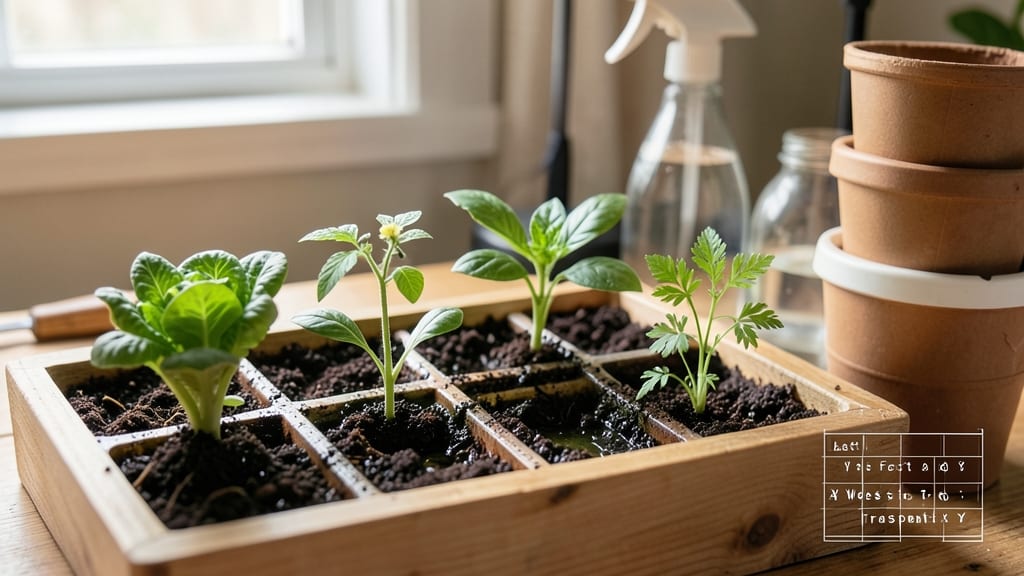
Counting down to harvest starts with knowing exactly when to plant Johnny seeds using the seed starting calculator for your zone. 🌱 I've used this calculator to avoid the heartbreak of bolting greens or leggy seedlings—it's the difference between a thriving garden and a frustrating one.
The tool accounts for your last frost date, seed type, and desired transplant timing, so you never guess again.
First, plug in your USDA hardiness zone and the specific Johnny Appleseed variety you're growing—each has slightly different germination needs. The calculator then spits out your indoor start date, outdoor transplant window, and even a backup plan if your season runs long.
No more "I planted too early" or "these seeds are taking forever" moments.
What you end up with is seedlings that emerge strong, grow at the right pace, and hit the garden when they're ready to thrive—not too early to bolt or too late to establish.
The best part? You'll know exactly when to expect those first true leaves, so you can adjust lighting and watering before they even appear.
Works for everything from leafy greens to root crops, and adapts if you're starting seeds under grow lights or in a sunny window. Here's how to use it without the guesswork—your future self will thank you.
📚 In This Guide
- What you need
- Instructions
- Tips and common mistakes
- Wrapping up and next steps
What you need
- ● Johnny Appleseed Seeds: 5–10 seeds (fresh, untreated, and ideally from a reputable source).
- ● Seed Starting Mix: 2–3 cups of sterile, well-draining potting mix (avoid garden soil—it may contain pathogens).
- ● Containers: 2–4 small pots (3–4 inches deep) or
- ● A seed tray with individual cells (for organized germination tracking).
- ● Grow Lights or Sunny Window: A space with 6–8 hours of indirect light daily (or a grow light for consistent conditions).
- ● Misting Spray Bottle: To keep soil evenly moist without overwatering.
- ● Thermometer: A soil or air thermometer (ideal range: 60–75°F for optimal germination).
- ● Notebook or Spreadsheet: To log planting dates, sprouting days, and climate notes (or use our Johnny Appleseed Seed Calculator!).
- ● Heating Mat: For faster germination in cooler climates (set to 70–75°F).
- ● Humidity Dome: To retain moisture during early stages (remove once sprouts emerge).
- ● Seedling Heat Mat: A low-wattage bulb (25–40W) for warmth if natural light is limited.
- ● pH Test Kit: To ensure your soil mix is slightly acidic (pH 6.0–7.0 is ideal for apple seeds).
- ● Labeling Tags: To track individual seeds (especially useful if testing different conditions!).
How to use a Johnny Appleseed seed starting calculator for your zone
Here's how to turn a simple tool into your foolproof guide for timing apple tree germination.
🌱 Step 1: Determine Your Last Frost Date
Start by finding your average last frost date for your specific USDA hardiness zone. This is your anchor point—everything else builds from here. I use the National Oceanic and Atmospheric Administration (NOAA) frost maps for accuracy, but local extension services also publish reliable data. Write this date down; you'll reference it repeatedly.
If you're new to zone mapping, don't stress—most seed packets include a zone chart on the back. For example, if you're in Zone 6, your last frost typically falls around April 15th. This date tells you when you can safely transplant seedlings outdoors without risking frost damage.
⏰ Step 2: Calculate Backward from Transplant Time
The calculator works by counting backward from your transplant date. Apple seedlings need 12-16 weeks indoors before they're ready to go outside. Start with your last frost date, then subtract 12 weeks to find your ideal transplant window. For Zone 6, that puts transplanting around mid-July—but wait, that doesn't make sense for apples!
Here's the thing—apple trees are perennials, and their transplant timing is different. For bare-root apple trees, you'll want to plant in late fall or early spring when the tree is dormant. Adjust your calculator to reflect 8-10 weeks before your last frost date for container-grown seedlings or 6-8 weeks for bare-root stock.
☀️ Step 3: Input Seed-Specific Germination Days
Johnny Appleseed varieties have different germination windows—typically 20-40 days depending on the cultivar. Input your specific variety into the calculator along with your zone data. For example, 'Granny Smith' often germinates in 25-30 days, while heirloom varieties like 'Ashmead's Kernel' can take 35-40 days.
Most calculators let you adjust for cold stratification if needed. Apple seeds often require 60-90 days of cold treatment to break dormancy. If your calculator doesn't account for this, you'll need to stratify seeds yourself by refrigerating them in moist paper towels for 2-3 months before planting.
🌿 Step 4: Verify Light and Temperature Requirements
Apple seeds need consistent warmth (65-75°F) and bright light (14-16 hours daily) to germinate properly. Your calculator should factor in whether you're using a seedling heat mat or natural warmth. If your home runs cooler, the calculator will extend germination time by 5-10 days—this is why timing matters so much.
Watch for the first signs of germination—tiny white roots breaking through the seed coat. Once you see this, move seedlings to a south-facing window or grow light immediately. Leggy seedlings with pale stems mean your light is insufficient; adjust within 48 hours or the plant won't recover.
✂️ Step 5: Adjust for Hardening and Transplant Readiness
The calculator's final output should include a hardening-off schedule—typically 2-3 weeks before transplanting. For apple seedlings, this means gradually exposing them to outdoor conditions during the day while bringing them back inside at night. Start with 1 hour daily and increase by 1 hour every 2-3 days.
Real talk: Apple seedlings are delicate when young. If you rush the hardening process, you'll see wilting or leaf scorch within days of transplanting. The calculator's timing ensures your seedlings are tough enough to handle the shock of moving from containers to soil.
Tips & tricks for perfect Johnny Appleseed germination timing
A few smart adjustments can turn your seed starting calculator from good to foolproof. Here's what I've learned after watching seedlings thrive—and fail.
Zone-Specific Precision: The calculator assumes standard conditions, but your microclimate might differ. If you're in a frost-prone valley or high-altitude area, check local records for the past 5 years and adjust your last frost date by 1-2 weeks earlier. I once planted based on the calculator's Zone 7 date only to lose seedlings to a late April frost—now I add that extra buffer.
Stratification Shortcuts: Cold stratification (60-90 days) can feel like a long wait, but you can speed it up safely. Place your seeds in a sealed bag with damp paper towels and store them on your refrigerator's crisper drawer shelf (not the freezer) for 4-6 weeks. This mimics winter conditions without requiring months of patience. Just monitor moisture levels—seeds should feel damp but not soggy.
Lighting Hacks: Those 14-16 hours of daily light don't have to come from sunlight alone. If your seedlings start stretching toward the window (a sign of insufficient light), supplement with a basic LED grow bulb on a timer. Even a $20 bulb from a garden center can prevent leggy growth. Position it 6-12 inches above seedlings and run it for 12 hours daily—this mimics natural daylight extensions.
Transplant Timing Reality Check: The calculator's 12-16 week indoor window assumes perfect conditions. If your home stays below 65°F, germination may take 10-15% longer. Use a seedling heat mat ($15 at garden stores) under your trays to maintain warmth—this can shave 5-7 days off your timeline. For bare-root stock, plant 2-3 weeks earlier than the calculator suggests if your zone has unpredictable spring weather patterns.
Pro Tips for Johnny Seeds Seed Starting Calculator
- A few smart adjustments can turn your seed starting calculator from good to foolproof.
- Zone-Specific Precision: The calculator assumes standard conditions, but your microclimate might differ.
- Stratification Shortcuts: Cold stratification (60-90 days) can feel like a long wait, but you can speed it up safely.
Frequently asked questions
Got questions about using a Johnny Seeds seed starting calculator to time your apple tree propagation? You’re not alone! Here are answers to the most common queries—so you can grow with confidence.
How does the calculator account for my local climate?
The calculator uses USDA Hardiness Zone data and average last-frost dates to estimate optimal planting windows. Simply input your zip code, and it adjusts for your region’s unique growing conditions—no guesswork! For extra precision, cross-check with your local Cooperative Extension Service.
What if my seeds sprout earlier or later than predicted?
Variations happen! Factors like soil temperature, seed age, or moisture levels can shift timelines by 5–10 days. Monitor seed trays daily—if sprouts appear before the calculator’s estimate, harden off seedlings 2–3 weeks early. If late, extend the indoor growing phase with grow lights.
Can I use this for seeds other than Johnny Appleseed varieties?
While optimized for Malus domestica (apple trees), the calculator works for most temperate fruit/nut trees (e.g., pears, cherries, walnuts) with similar cold stratification needs. For vegetables or flowers, try a general-purpose seed-starting tool like Johnny’s Selected Seeds’ calculator.
What’s the best way to troubleshoot slow or no germination?
Start with these fixes:
- Check moisture: Soil should feel like a wrung-out sponge—not soggy, not dry.
- Verify stratification: Apple seeds need 60–90 days cold (32–40°F). Use a fridge or outdoor cold frame.
- Test viability: Float seeds in water—sinkers are viable; floaters may be dead.
- Adjust light: Seedlings need 12–16 hours of light/day after sprouting.
Should I start seeds indoors or direct-sow outdoors?
For apple trees, indoor starting 8–12 weeks before last frost is ideal—especially in colder zones (Zones 3–6). Direct-sowing works in mild climates (Zones 7+) or for heirloom varieties adapted to your area. Use the calculator’s “Outdoor Planting Date” as your guide!
Wrapping up and next steps
Ready to grow your own Johnny Appleseed legacy?
With the Johnny Seeds Seed Starting Calculator, you’ve got the perfect tool to time your planting like a pro—no guesswork, just precision! 🌱 Whether you’re a seasoned gardener or just starting, these calculated days to sprout mean healthier seedlings and a bountiful harvest.
Now’s your chance to take action: grab your seeds, set up your grow space, and let the magic happen!
🚀 Next Steps:
- Input your zip code into the calculator for your personalized planting schedule.
- Mark your calendar and start sowing—your future apple trees are waiting!
- Share your progress with fellow gardeners for support and tips!