
Propagation
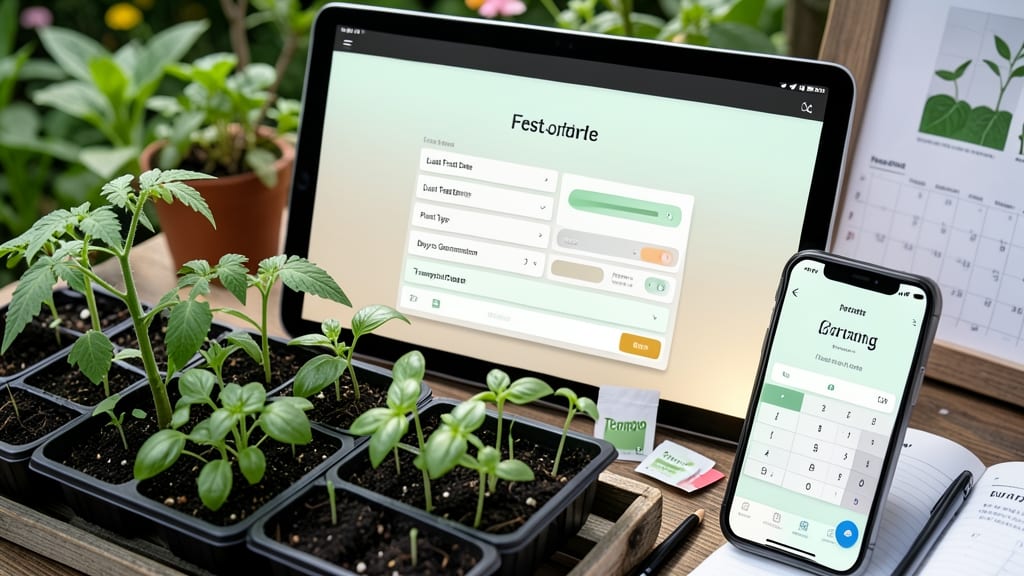
Johnny's Seed Starting Calculator tells you exactly when to plant seeds so your seedlings are ready at the perfect time. 🌱 I used it last spring and went from guessing to having strong, healthy seedlings ready for transplanting—no more bolted lettuce or leggy tomatoes.
The tool accounts for your last frost date, seedling heat requirements, and transplant timing so you never rush or delay planting. Simply input your location, and it calculates the precise start date for each plant type, even adjusting for indoor vs. greenhouse conditions.
With this calculator, you'll avoid common mistakes like starting seeds too early (which leads to weak seedlings) or too late (which means you miss the growing season). It also integrates with soil temperature and light needs, so you're covered from seed to soil.
Whether you're a first-timer or a seasoned gardener, this tool saves time and frustration. Let's get those seeds started right!
📚 In This Guide
- What you need
- Instructions
- Tips and common mistakes
- Wrapping up and next steps
What you need
- ● Johnny’s Seed Starting Calculator: Access via Johnny’s official website (free, no login needed).
- ● Seed packets: Choose varieties with clear germination days (e.g., tomatoes, peppers, herbs). Check the back of packets for Johnny’s recommendations.
- ● Growing containers: Seed trays (72-cell or larger) or biodegradable pots (2–4” diameter).
- ● Quantity: 1 tray/pot per 10–20 seeds (e.g., 3 trays for 50 tomato seeds).
- ● Seed starting mix: Lightweight, sterile mix (e.g., Johnny’s Premium Seed Starting Mix or coconut coir-based blends). 1–2 cubic feet per tray.
- ● Watering can or spray bottle: With a fine mist nozzle to avoid disturbing seeds.
- ○ Heat mat (optional but helpful): For warm-season crops (e.g., peppers, eggplants). Set to 70–85°F.
- ● Grow lights or sunny windowsill: 12–16 hours/day of light (LED or fluorescent bulbs work best).
- ● Humidity dome or plastic wrap: To retain moisture during germination.
- ● Notebook or app: To log planting dates and germination progress (e.g., Gardenate or a simple spreadsheet).
- ● pH meter: Test soil pH (ideal: 6.0–7.0 for most seeds).
- ● Seedling heaters: For precise temperature control (65–75°F for cool-season crops).
- ● Fertilizer (low-dose): Water-soluble blend (e.g., 5-10-5) after germination (not before!).
- ● Label maker or popsicle sticks: To track varieties and dates.
- ● Fan (small clip-on): For hardening off seedlings (3–5 days before transplanting).
How to use Johnny's seed starting calculator for perfect germination timing
Here's how I use this tool to plan my seed-starting schedule without guesswork.
📅 Step 1: Determine Your Last Frost Date
Start by finding your average last frost date for your growing zone. Johnny's calculator uses this as the foundation for all timing. I check my local cooperative extension service website or use the USDA frost map—this is the day I can safely transplant seedlings outdoors without damage.
If you're unsure, I recommend checking with neighbors who garden or using a reliable online tool. The calculator won't work properly without this critical piece of information. For example, in zone 5, I'd enter May 15th as my target date for transplanting tomatoes.
🌱 Step 2: Select Your Plant Varieties
Choose the specific plants you want to grow from seed. Johnny's calculator lets you search by common name or variety. I always start with my top 3-4 priority crops—this keeps my schedule manageable. For example, I might select tomatoes, peppers, lettuce, and basil for my spring lineup.
Pay attention to whether each plant is classified as a cool-season or warm-season crop—this affects when you'll start them indoors. Cool-season plants like lettuce can handle cooler soil temperatures, while warm-season plants like peppers need warmth to germinate properly.
⏰ Step 3: Calculate Back from Transplant Date
The calculator automatically figures out how many weeks before your last frost date each plant should be started indoors. For most vegetables, this is typically 6-8 weeks before transplanting. For example, if my last frost is May 15th, tomatoes would need to be started around March 20th.
I like to print out the schedule and pin it to my seed-starting station. This prevents me from accidentally starting seeds too early (which leads to leggy, overgrown seedlings) or too late (which means buying transplants). The calculator accounts for each plant's specific germination time and growth rate.
🌡️ Step 4: Adjust for Your Growing Conditions
Use the calculator's optional features to fine-tune your schedule. If you're using a seedling heat mat, you can reduce germination time by 2-3 days for many varieties. I also adjust for my specific light setup—if I'm using grow lights instead of natural sunlight, I might start slightly later since seedlings grow faster under artificial light.
The calculator includes options for soil temperature preferences. Some seeds like carrots and parsnips need cooler soil to germinate properly, while others like cucumbers and squash prefer warmth. This helps prevent the frustration of waiting weeks for seeds that never sprout because the soil was too cold.
📝 Step 5: Create Your Seed-Starting Timeline
Once you've entered all your plants and conditions, the calculator generates a complete timeline showing exactly when to start each variety. I transfer this to my garden planner along with notes about spacing requirements and companion planting suggestions. For example, my schedule might show:
• March 15th: Start lettuce and spinach (cool-season) • March 20th: Start tomatoes and peppers (warm-season) • April 1st: Start basil and cilantro • April 15th: Direct sow carrots and radishes outdoors
This organized approach prevents me from getting overwhelmed and ensures I have a steady supply of seedlings ready at the right time. I always set reminders in my phone for each starting date so I don't miss the window.
Tips & tricks for perfect seed starting with Johnny's calculator
These practical tips will help you maximize Johnny's Seed Starting Calculator and avoid common seed-starting pitfalls that waste time and money.
Last Frost Date Double-Check: Before entering your last frost date in Step 1, verify it using multiple sources. I cross-reference the USDA frost map with my local cooperative extension service records—discrepancies of 3-5 days aren't uncommon between sources. For example, if your zone 5 last frost is May 15th on one map but May 20th on another, choose the later date to give yourself a safety buffer. This prevents the heartbreak of late frosts damaging tender seedlings.
Plant Variety Research: In Step 2, don't just select any tomato variety—research each plant's specific days-to-maturity and cold tolerance. The calculator assumes standard varieties, but heirlooms like 'Brandywine' often need 2-3 extra weeks compared to faster-maturing 'Early Girl'. I always check Johnny's seed catalog or the seed packet for exact details before entering varieties. This adjustment prevents you from ending up with tiny tomatoes or bolting lettuce before harvest.
Heat Mat Strategy: When adjusting for heat mats in Step 4, remember that not all seeds benefit equally. While tomatoes and peppers can germinate 2-3 days faster with bottom heat, cool-season crops like lettuce and spinach may actually germinate more slowly in overly warm conditions. I use heat mats only for warm-season varieties and keep soil temps between 70-80°F for these plants. For cool-season crops, I rely on consistent room temperature (around 65°F) instead.
Timeline Visualization: After generating your schedule in Step 5, create a physical chart with colored markers for each plant type. I use green for cool-season crops and red for warm-season varieties, with different symbols for direct-sow vs transplant plants. This visual system helps me spot potential conflicts—like having too many seedlings ready at once—before they become problems. I also add vertical lines for key dates like Easter and Mother's Day to align my schedule with family events.
Pro Tips for Johnnys Seed Starting Calculator
- These practical tips will help you maximize Johnny's Seed Starting Calculator and avoid common seed-starting pitfalls that waste time and money.
- Last Frost Date Double-Check: Before entering your last frost date in Step 1, verify it using multiple sources.
- Plant Variety Research: In Step 2, don't just select any tomato variety—research each plant's specific days-to-maturity and cold tolerance.
Frequently asked questions
Got questions about using Johnny’s Seed Starting Calculator to time your planting like a pro? You’re not alone!
Here are answers to the most common queries—so you can avoid guesswork and grow with confidence.
How accurate is the germination timing in the calculator?
The calculator provides average days to germination based on data from Johnny’s Selected Seeds and expert gardening sources. While most seeds fall within this range, environmental factors (like soil temp or moisture) can slightly shift results. For precise timing, adjust for your climate zone or test a few seeds in advance!
Can I use this for seeds I’ve already started indoors?
Yes! The calculator helps track transplant timing too. Input your last frost date and the days to maturity for your plants—it’ll tell you when to move seedlings outside. Pro tip: Hardening off (acclimating seedlings to outdoor conditions) should start 1-2 weeks before transplanting for best success.
What if my seeds germinate faster or slower than predicted?
Variations happen! If seeds sprout earlier, monitor for overcrowding and thin seedlings ASAP. If they’re late, check moisture, warmth (use a heat mat if needed), and seed viability. Old or stored seeds may take longer—test a few in a damp paper towel first to gauge speed.
Does the calculator work for heirloom or organic seeds?
The germination times apply to all seed types, including heirloom, organic, and hybrid varieties. Just ensure your seeds are from a reputable source—freshness matters more for organic seeds, which may have shorter shelf lives than treated conventional seeds.
Is there a way to adjust for high-altitude or cold climates?
Yes! The calculator accounts for USDA Hardiness Zones, but for extreme conditions (like Zone 1-2 or high-altitude areas), add 5-10 extra days to germination estimates. For cold soils, use heat mats or start seeds in a warm indoor spot (like on top of the fridge) to speed things up.
What if I don’t have all the materials listed?
No worries—get creative! Use recycled containers (egg cartons, yogurt cups), repurpose old towels as germination blankets, or swap store-bought soil for a mix of peat moss + perlite + compost. The calculator focuses on timing, not tools—adapt as needed!
Wrapping up and next steps
Mastering seed starting just got easier with Johnny’s Seed Starting Calculator—your go-to tool for pinpointing the perfect germination timeline for every plant! Whether you're a seasoned gardener or just beginning, this calculator removes the guesswork, helping you plan with confidence.
Now that you know how to use it, grab your seeds, set your schedule, and watch your garden dreams take root! 🌱✨
Ready to plant with precision? Head to the Johnny’s Seed Starting Calculator today and let the growing begin!