
Lawn
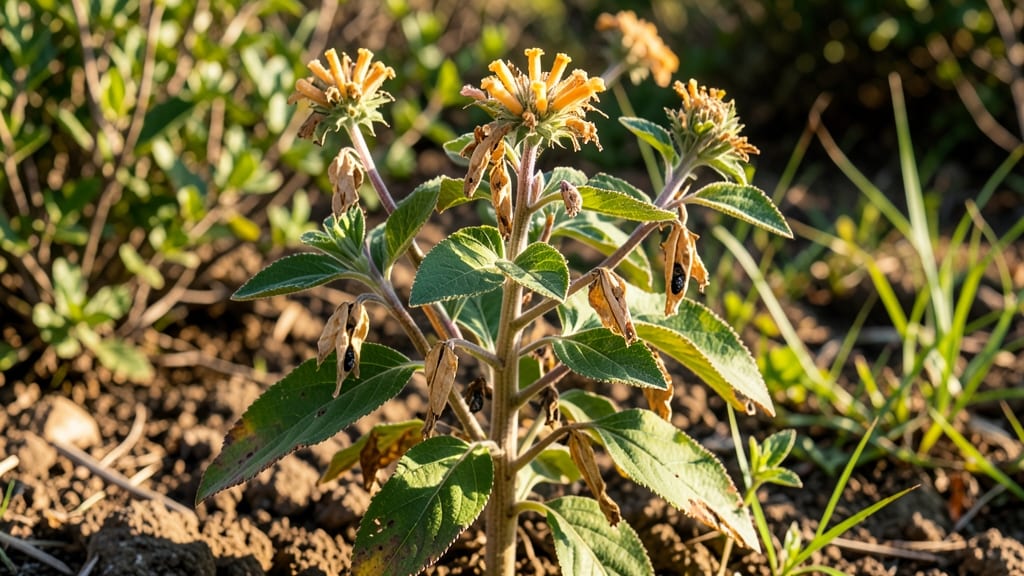
Twisting open a lantana seed pod reveals whether next year’s blooms are already on their way. 🌸 I’ve learned that not all pods hold viable seeds—some are empty husks, while others crack open with plump, brown seeds ready for planting.
The twist test is your first clue about what to expect from these drought-tolerant shrubs.
Timing matters: collect pods in late fall or early winter when they’ve fully dried but haven’t yet split open. You’ll need a small container, well-draining potting mix, and patience—lantana seeds can take 4-8 weeks to germinate, but they’re worth the wait for those vibrant clusters of blooms.
Once you’ve planted them in warm soil (keep it above 65°F), maintain consistent moisture without drowning the seeds. Thin seedlings to 12 inches apart once they’ve sprouted their first true leaves, and you’ll soon have sturdy young plants ready to thrive in full sun.
Slow germination is normal—lantana seeds are stubborn starters. If you’re impatient, try soaking them overnight before planting, but even then, don’t expect instant results. The payoff? Low-maintenance shrubs that return year after year with minimal effort.
📚 In This Guide
- What you need
- Instructions
- Tips and common mistakes
- Wrapping up and next steps
What you need
- ● Mature lantana seed pods: Collect at least 10-15 pods from healthy, disease-free plants. Ensure they’re fully dried and brownish-black for best results.
- ● Paper towels or coffee filters: 2-3 sheets (unbleached, seed-safe).
- ● Plastic zip-top bags: 1-2 quart-sized bags (with a small air hole or seal loosely).
- ● Spray bottle: Filled with room-temperature water (avoid tap water if it’s heavily chlorinated).
- ● Notebook & pen: To track pod numbers, dates, and observations.
- ○ Small tray or shallow dish: For organizing pods (optional but helpful).
- ● Grow lights or sunny windowsill: For consistent warmth (lantanas love 70–85°F).
- ● Humidity dome or clear plastic wrap: To maintain moisture during early stages.
- ● Seedling trays with potting mix: If you plan to transplant viable seeds.
- ● Magnifying glass: For inspecting tiny seeds or germination progress.
- ● Label markers: To tag bags with pod sources or dates.
How to test lantana seed pods for germination success
Here's the simple twist-test method I swear by to save time and grow next year's lantana blooms reliably.
🌱 Step 1: Harvest Mature Seed Pods at the Right Time
Wait until late fall after the first frost when the pods turn deep brown and feel dry to the touch. I like to harvest on a crisp morning when the pods are fully open—this ensures seeds are fully mature. Use clean, sharp pruners to snip the pods from the stem, leaving a ¼-inch stem attached for easier handling.
Don't rush this step. Green or partially open pods won't yield viable seeds. If you harvest too early, you'll waste time testing pods that won't germinate. Store harvested pods in a paper bag in a cool, dry place until you're ready to test them—usually within a week.
🪴 Step 2: Perform the Twist Test for Viability
Take a single seed pod and hold it between your thumb and forefinger. Gently twist it back and forth with moderate pressure—you're not trying to break it, just testing its structure. A viable pod will crack open with a slight pop and reveal plump, dark seeds inside. If the pod resists or crumbles into dust, discard it.
I test about 20-30 pods from each plant to get a good sample. Real talk: some lantana varieties produce more viable seeds than others, so don't be discouraged if half fail the test. The twist test saves you from planting non-viable seeds later.
☀️ Step 3: Prepare Seeds for Indoor Germination
Once you've identified viable pods, open them carefully and remove the seeds. Soak the seeds in lukewarm water for 12 hours to soften the outer coating—this mimics natural rainfall and speeds up germination. After soaking, spread them on a paper towel in a single layer and place them in a ziplock bag with a damp paper towel.
Seal the bag loosely and store it in a warm spot (75-80°F). Check daily for mold—if you see any, discard those seeds immediately. Healthy seeds will show tiny white roots within 5-7 days. This pre-germination step gives you a head start and helps you avoid planting seeds that might rot in cold soil.
🌿 Step 4: Plant Pre-Germinated Seeds in Light Mix
Fill small 2-inch pots with a light, well-draining seed-starting mix—lantana hates soggy soil. Plant the pre-germinated seeds ¼ inch deep, spacing them 1 inch apart. Gently press the soil around them to ensure good contact but don't pack it down too firmly.
Place the pots in a warm, bright spot with indirect light for the first week. Keep the soil consistently moist but not soggy—lantana seedlings are delicate. You'll see first true leaves in about 10-14 days. This is the moment that matters: if seedlings don't emerge by then, they likely won't.
⏰ Step 5: Harden Off and Transplant Young Plants
Once seedlings have 3-4 sets of leaves, start hardening them off by placing them outside in partial shade for 1-2 hours the first day. Gradually increase their outdoor time over 10-14 days, moving them to morning sun by day 7. Lantana loves heat, so don't rush this step—sudden exposure can shock young plants.
Transplant seedlings into the garden or larger pots after they've been outside for a full day without wilting. Space them 18-24 inches apart in full sun—this gives them room to grow into bushy, flowering plants. I always plant mine in late spring after the last frost, but they'll tolerate light frosts once established.
Tips & tricks for perfect lantana seed pod germination
These simple tricks will help you maximize your lantana seed success and avoid common pitfalls along the way.
Timing is Everything: The 12-hour soak for seeds in Step 3 is non-negotiable—it's what breaks dormancy and kickstarts germination. I like to set a timer and soak overnight so I don't forget. Use lukewarm water (not hot) to prevent damaging the delicate seed coats. If you're short on time, you can reduce this to 8 hours, but germination may take slightly longer.
The Twist Test Technique: In Step 2, when performing the twist test, focus on that "slight pop" sound—it's your cue that the pod is viable. I test pods in batches of 20-30 to get a good sampling, but don't stress if half fail. Some lantana varieties naturally produce fewer viable seeds. If pods crumble easily, they're past their prime and won't germinate well.
Light and Temperature Balance: During the first week after planting in Step 4, indirect light is crucial—lantana seedlings burn easily in direct sun. Place your pots near a north-facing window or under grow lights. The warm spot (75-80°F) mentioned in Step 3 can be achieved with a simple heat mat if your home tends to be cooler. A heat mat also helps maintain consistent soil temperature during germination.
Harden Off Strategically: The 10-14 day hardening process in Step 5 is where many gardeners rush and fail. Start with just 1-2 hours of partial shade on day one, then gradually increase exposure. By day 7, moving to morning sun is perfect—lantana loves heat but needs to acclimate. Watch for wilting as your signal to slow down the process. Transplant only after a full day outside without stress.
Pro Tips for Lantana Seed Pod
- These simple tricks will help you maximize your lantana seed success and avoid common pitfalls along the way.
- Timing is Everything: The 12-hour soak for seeds in Step 3 is non-negotiable—it's what breaks dormancy and kickstarts germination.
- The Twist Test Technique: In Step 2, when performing the twist test, focus on that "slight pop" sound—it's your cue that the pod is viable.
Frequently asked questions
Got questions about lantana seed pods and their role in next year’s blooms? Here are some common ones—and their answers—to help you twist-test with confidence!
How do I know if a lantana seed pod is viable?
Twist the pod gently—if it opens easily and releases seeds, it’s viable. If it’s hard or empty, toss it. Pro tip: Healthy pods should feel slightly plump and firm.
When should I collect lantana seed pods?
Harvest them in late fall or early winter, just before they split open naturally. This ensures maximum seed viability for spring planting. Avoid collecting after frost, as cold can reduce germination rates.
Can I plant lantana seeds directly from the pod?
Yes! Simply twist the pod to release seeds into well-draining soil. No need to clean them—just plant them shallowly (¼ inch deep) and keep the soil moist. Pro tip: Thin seedlings to 12 inches apart for best growth.
What if my lantana pods don’t open?
If pods stay closed, they may be overripe or dried out. Try soaking them in warm water for 24 hours to soften the casing, then twist again. If still stuck, gently crack the pod with a knife.
Are there alternatives if my lantana seeds don’t germinate?
Yes! Propagate from cuttings (4-6 inch stems in water) or buy nursery-grown lantana plants. Seeds can be finicky, so backups ensure vibrant blooms next season.
Wrapping up and next steps
Understanding the twist test for lantana seed pods is your secret weapon for predicting next year’s vibrant blooms! 🌸 Whether you’re a gardener eager to propagate new plants or simply curious about nature’s quirks, this simple method saves time and effort.
Now that you’re armed with the knowledge, grab those pods, give them a spin, and let your green thumb guide your next steps—happy planting!
💡 Next step: Collect viable pods, plant them in well-draining soil, and watch your lantana garden thrive with fresh, colorful blooms in no time!