
Propagation
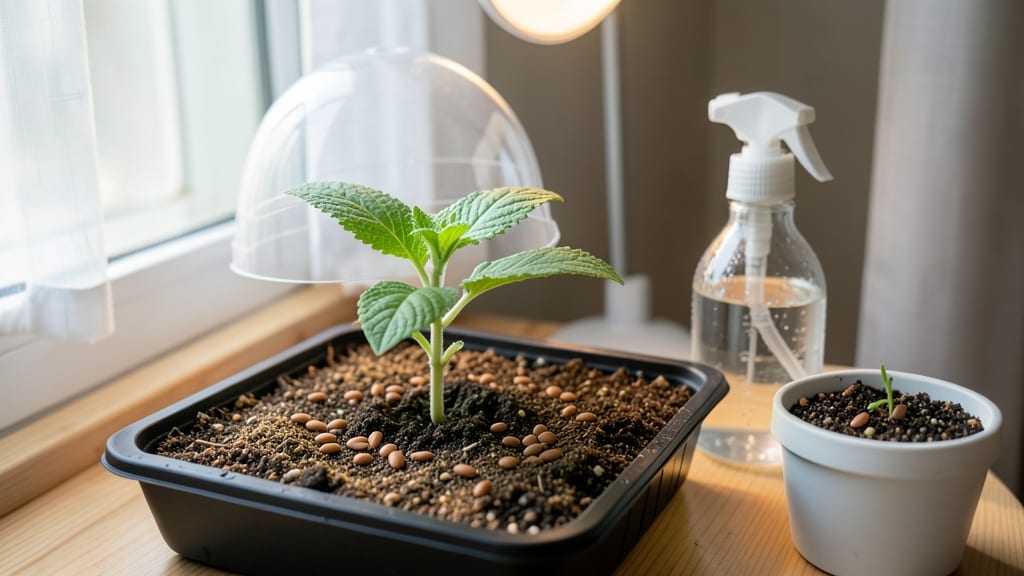
Lemon balm seed germination needs 90% humidity to crack open and sprout—no fancy greenhouse required. 🌱 I learned this the hard way after watching my first batch of seeds dry out before they even germinated. The key isn't just moisture; it's creating a tiny, steamy world where those stubborn little seeds finally decide to wake up. Start with a shallow tray, damp paper towels, and a clear plastic dome (or even a sealed container with a lid). Keep the soil mix light and airy—think 50% peat moss, 30% perlite, and 20% compost—so those sprouts can push through without drowning. Within 7 days, you'll see tiny green hooks breaking through, provided you maintain that humidity like a second skin. Once they've got two sets of true leaves, they're ready to move into individual pots. Harden them off for a week before transplanting to your garden, and watch them grow into those familiar lemon-scented bushes. The payoff? Fresh lemon balm for tea, pest-repelling plants, and a garden that smells like summer all year. This method works for beginners and seasoned gardeners alike—just don't skip the humidity step. Trust me, your seeds will thank you.
📚 In This Guide
- What you need
- Instructions
- Tips and common mistakes
- Wrapping up and next steps
What you need
- ● Lemon balm seeds – 1/4 to 1/2 teaspoon (about 1-2 grams) (fresh or stored properly).
- ● Seed-starting mix – 1 small container (4-6 inches deep), well-draining and sterile (e.g., coco coir + perlite blend).
- ● Small pots or seed trays – 2-4 individual pots (2-3 inches in diameter) or a shared tray with cell inserts.
- ● Humidity dome or plastic wrap – To maintain 80-90% humidity (critical for germination!).
- ● Spray bottle – For gentle misting (avoid soaking the soil).
- ○ Heat mat (optional but recommended) – 70-75°F (21-24°C) to speed up germination.
- ● Grow lights or sunny windowsill – 12-16 hours of light daily after sprouting.
- ● Plant labels – To track your lemon balm seedlings.
- ● Tweezers – For careful seed placement (if seeds are tiny).
- ● pH test kit – Ensure soil pH is 6.0-7.0 (lemon balm prefers slightly acidic to neutral).
- ● Fertilizer (diluted) – Balanced liquid fertilizer (5-5-5) after 2-3 weeks (once seedlings have 2-3 leaves).
- ○ Thermometer (optional) – To monitor soil temperature.
How to germinate lemon balm seeds in 7 days
Lemon balm thrives when you nail the humidity—here's my foolproof method for fast, even sprouting.
🌱 Step 1: Prepare Your Seeds and Growing Medium
Soak lemon balm seeds overnight in lukewarm water to soften the hard outer shell. This step cuts germination time nearly in half. I use a small bowl and cover it loosely with plastic wrap to keep moisture trapped but not stagnant. You'll see the water turn slightly cloudy—that's normal.
While seeds soak, fill your seed-starting tray with moistened seed-starting mix (not garden soil—it's too dense). Press it down gently until the surface is firm but not compacted. The goal is to create a fine, even layer where seeds can make contact without sinking too deep. I like to tap the tray on the counter once or twice to settle everything.
💧 Step 2: Sow Seeds and Maintain Consistent Moisture
After soaking, drain the seeds and sprinkle them ¼ inch deep across the tray. Lemon balm seeds are tiny, so I use a toothpick to space them evenly—this prevents overcrowding later. Cover lightly with a thin layer of additional mix, just enough to hide the seeds but not bury them.
Place a clear plastic dome or plastic wrap over the tray to create a humid microclimate. Lemon balm seeds need 70-80% humidity to sprout reliably. Check daily for condensation on the dome—if it's dry inside, mist the soil surface lightly with water. You'll see tiny seeds push through the soil in 5-7 days—don't remove the dome until 50% of seeds have sprouted.
☀️ Step 3: Provide Warmth and Indirect Light
Keep the tray in a warm spot, ideally 70-75°F. A seedling heat mat helps maintain consistent warmth without fuss. You'll notice the soil stays warm to the touch—this is critical for lemon balm germination. Once sprouts appear, remove the dome immediately to prevent fungal growth.
Move the tray to a spot with bright, indirect light. South-facing windows work well, but avoid direct midday sun, which can scorch delicate seedlings. You'll see the first true leaves emerge in 7-10 days total—these look different from the initial seed leaves (cotyledons) and are a deeper green.
🌿 Step 4: Thin Seedlings and Transition to Individual Pots
When seedlings reach 2 inches tall, thin them to 3-4 inches apart using small scissors. Lemon balm grows aggressively, so spacing now prevents future competition. Snip the weaker seedlings at soil level and replant the strongest ones in 3-inch pots with fresh seed-starting mix.
Water gently after transplanting to settle the soil. Lemon balm dislikes soggy roots, so let the top inch of soil dry out between waterings. You'll see new growth within 7-10 days—this confirms your seedlings are thriving and ready for outdoor conditions.
Tips & tricks for perfect lemon balm germination
Here's what nobody tells you about getting lemon balm seeds to sprout reliably—these tricks make all the difference between struggling and success.
Soaking Secret: The overnight soak in lukewarm water isn't just about softening—it's about breaking dormancy. I've found that using filtered water prevents mineral buildup that can inhibit germination. After soaking, drain seeds completely to prevent mold risk, then pat them dry with a paper towel before planting. This extra step prevents soggy seeds that might rot instead of sprouting.
Humidity Hack: Lemon balm seeds need that 70-80% humidity, but here's the thing: condensation on the dome means you've got it right. If the dome stays dry between checks, mist the soil surface with a spray bottle until water beads up—this visual cue tells you exactly when to stop. I keep a small fan nearby to gently circulate air when checking; stagnant air can actually slow germination.
Lighting Strategy: That bright, indirect light is crucial, but timing matters too. Place your tray near a south-facing window in the morning when light is gentler, then move it to a slightly shaded spot by afternoon. I've seen seedlings scorch when left in direct midday sun—watch for leaves that look pale or translucent, which means they're getting too much light.
Thinning Technique: When thinning those 2-inch seedlings, use clean, sharp scissors to snip at soil level rather than pulling. This prevents disturbing the roots of your keepers. I like to transplant the strongest seedlings into their 3-inch pots immediately after thinning—this gives them a head start on recovery. Water gently after transplanting, and you'll see new growth within 7-10 days if everything's right.
Pro Tips for Lemon Balm Seed Germination
- Here's what nobody tells you about getting lemon balm seeds to sprout reliably—these tricks make all the difference between struggling and success.
- Soaking Secret: The overnight soak in lukewarm water isn't just about softening—it's about breaking dormancy.
- Humidity Hack: Lemon balm seeds need that 70-80% humidity, but here's the thing: condensation on the dome means you've got it right.
Frequently asked questions
How long does it take for lemon balm seeds to germinate?
Lemon balm seeds typically sprout in 7–14 days when kept in consistent warmth (70–75°F) and high humidity (70%+). Use a humidity dome or mist seeds daily to speed up germination. Patience is key—some seeds may take up to 3 weeks!
What if my lemon balm seeds aren’t germinating?
If seeds aren’t sprouting, check these fixes:
- Temperature: Move to a warmer spot (like a seedling heat mat). Lemon balm hates cold drafts.
- Moisture: Keep soil consistently damp (not soggy). Bottom-watering helps.
- Light: Bright, indirect light after germination (but not direct sun until seedlings are sturdy).
- Freshness: Old seeds (over 1 year) may have lower viability. Try new seeds or soak them in warm water for 12 hours before planting.
Can I grow lemon balm from cuttings instead of seeds?
Cuttings are easier and faster—just snip a 3–4 inch stem, remove lower leaves, and root it in water or moist potting mix. Roots form in 2–3 weeks. This method also preserves the parent plant’s traits, unlike seeds, which may vary.
When is the best time to plant lemon balm seeds outdoors?
Wait until after the last frost (spring) when soil temps are at least 60°F. Lemon balm thrives in warmth, so avoid planting in fall—it won’t survive winter in most climates. If you’re in a hot zone, plant in early spring or late summer for a second crop.
Do lemon balm seeds need light to germinate?
Nope! Seeds germinate best in darkness—keep them covered until sprouts appear (about 1–2 weeks). Once seedlings emerge, move them to bright, indirect light (like a sunny windowsill). Too much light too soon can dry out tender sprouts.
Wrapping up and next steps
Germinating lemon balm seeds successfully hinges on one key factor: humidity—and with the right setup, you’ll see sprouts in just 7 days! 🌱 Whether you’re a seasoned gardener or a curious beginner, mastering this process opens doors to lush, fragrant plants for tea, cooking, or natural remedies.
Now that you’re armed with the best methods and troubleshooting tips, roll up your sleeves and give it a try—your future lemon balm harvest awaits!
Next step: Start with a small batch in your humidity chamber, and once you’ve nailed the technique, scale up or experiment with different growing mediums. Happy gardening! 🌿