
Propagation
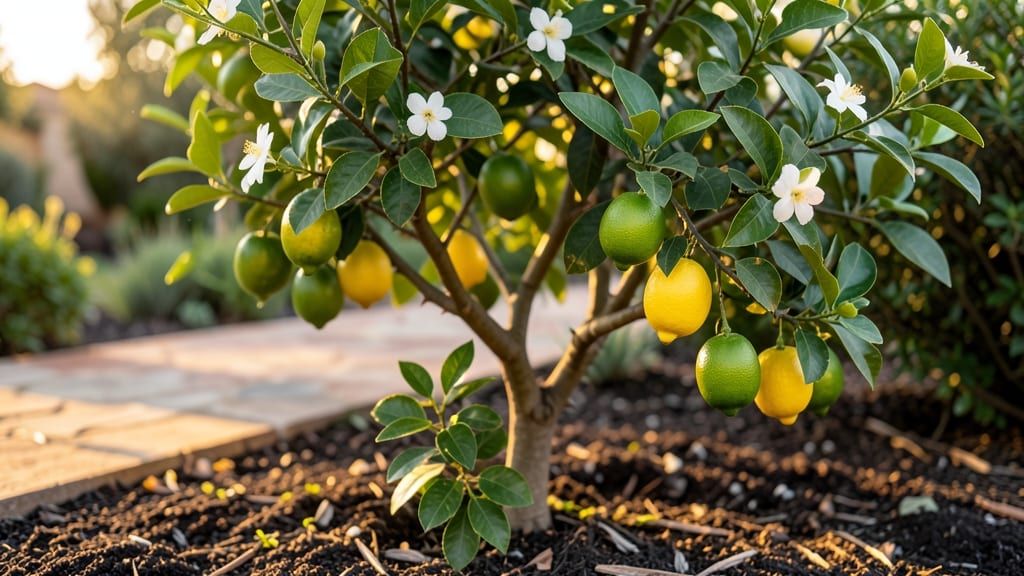
Growing a lemon tree from seed to fruit is one of those gardening adventures that rewards patience with something truly special—your own homegrown lemons. 🌱 I’ve watched my kitchen countertop tree go from a tiny sprout to a bushy plant with actual (though tiny) lemons after four years, and the process is far more rewarding than buying store-bought fruit.
The key is understanding that seed-grown trees take time, but the journey is what makes it magical.
You’ll need a sunny spot with at least 6-8 hours of light daily, well-draining potting mix, and a pot that’s at least 12 inches wide for the first year.
Germination happens in 2-4 weeks if you keep the soil warm and moist, but don’t expect fruit anytime soon—most seed-grown trees take 3-5 years to bear.
That said, the early stages are where the real fun begins: watching those first leaves unfurl and the plant grow into a lush, fragrant shrub.
By year two, your lemon tree should be 3-4 feet tall and ready for pruning to encourage bushier growth. With proper care—regular watering, occasional fertilizer, and a little hand-pollination when flowers appear—you’ll see those first blossoms by year three.
The real payoff comes when you finally taste your own homegrown lemons, even if they’re small at first. It’s a taste of sunshine in every bite.
This method works best in USDA Zones 9-11, but container growers in colder climates can bring their trees indoors during winter. Just be patient—seed-grown trees are slower to fruit than grafted ones, but the satisfaction of growing from scratch is unmatched. Ready to start your citrus journey?
📚 In This Guide
- What you need
- Instructions
- Tips and common mistakes
- Wrapping up and next steps
What you need
- ● Lemon seeds: 3–5 fresh, plump seeds from a ripe lemon (organic if possible). Pro tip: 💡 Use seeds from a heirloom or Meyer lemon for better success!
- ● Seed-starting mix: 1 small pot (4–6 inches in diameter) filled with sterile, well-draining potting soil (e.g., a mix of 50% peat moss and 50% perlite or vermiculite).
- ● Spray bottle: For gentle watering (avoid over-saturating seeds).
- ● Plastic wrap or humidity dome: To create a mini greenhouse effect.
- ● Grow lights or sunny windowsill: A south-facing window or LED grow lights (12–16 hrs/day) for seedlings.
- ● Small pots (2–3 inches): For transplanting seedlings once they sprout (3–4 total).
- ● Balanced fertilizer (5-5-5 or 10-10-10): Diluted to half-strength for young plants.
- ● Pruning shears: For shaping and removing dead growth as the tree matures.
- ○ Support stake (optional): A 3–4 ft bamboo stake for taller trees.
- ● Seed germination aid: A seedling heat mat (70–80°F) to speed up sprouting.
- ● pH test kit: To monitor soil pH (ideal: 6.0–7.0 for citrus).
- ● Citrus-specific fertilizer: High in iron and magnesium (e.g., Citrus-Tone).
- ● Mulch: Pine bark or straw to retain moisture and regulate temperature.
- ● Humidifier or pebble tray: For maintaining humidity in dry climates.
Step-by-step instructions for growing a lemon tree from seed
Here's how I turn a single lemon seed into a thriving citrus tree with fruit—no green thumb required.
🌱 Step 1: Extract and Prepare the Seed
Cut a lemon in half and remove the seeds, then rinse them thoroughly under cool water to remove any pulp residue. I like to soak them in a glass of water for 24 hours—this softens the outer coating and speeds up germination. Place the seeds between damp paper towels instead of planting them immediately; this lets you monitor progress without disturbing roots.
Keep the towels in a sealed plastic bag to maintain humidity, then place the bag in a warm spot (70-75°F). You'll see tiny roots emerge within 3-7 days. Real talk: if you skip the soaking step, germination can take twice as long. Patience here pays off later.
🪴 Step 2: Plant the Germinated Seedlings
Once roots reach about ½ inch, transfer each seedling to a 4-inch pot filled with a mix of 50% potting soil and 50% perlite. The perlite prevents compaction and keeps roots from sitting in soggy soil. I plant each seed ½ inch deep, pressing gently but not packing the soil—you want air pockets for root growth.
Place the pots under bright, indirect light (no direct sun yet) and keep the soil consistently moist but never waterlogged. You'll notice the first true leaves appear in 2-4 weeks. Here's the thing—if your seedlings develop yellow leaves, you're overwatering. Let the top inch of soil dry between waterings.
☀️ Step 3: Transition to Sunlight and Fertilize
After 4-6 weeks, when seedlings have 3-4 sets of leaves, gradually introduce them to morning sun for 1-2 hours daily, then increase exposure over 2 weeks. Full sun (6+ hours daily) is critical for fruit production, but sudden exposure can scorch tender leaves. I move my seedlings outside on a shaded patio first, then to full sun.
Start fertilizing with a balanced citrus fertilizer (10-10-10) diluted to half strength every 4 weeks once the tree is outdoors. You'll see new growth within 2-3 weeks of starting fertilizer. This is the moment that matters: healthy leaves mean your tree is ready for the next phase.
✂️ Step 4: Prune and Encourage Fruit Production
When your lemon tree reaches 18-24 inches tall, prune back the top ¼ inch to encourage branching. I use clean, sharp pruners to make 45-degree cuts just above a leaf node. This redirects energy from vertical growth to lateral branches where fruit develops. Remove any dead or yellowing leaves immediately—they drain the tree's resources.
For flowering and fruiting, your tree needs consistent care: water when the top 2 inches of soil feel dry, fertilize monthly during growing season, and protect from temperatures below 30°F. You'll see white blossoms in 2-3 years, and fruit in 3-5 years with patience. Don't rush—citrus trees take time, but the reward is worth it.
🍋 Step 5: Harvest and Maintain for Future Fruits
Lemons ripen over 6-12 months depending on variety and climate. They're ready when the skin turns bright yellow and yields slightly to gentle pressure. I harvest by twisting gently until the fruit separates from the stem. Store ripe lemons at room temperature for 1-2 weeks or refrigerate for up to 2 months.
After harvest, prune again to remove any dead branches and shape the tree for next year's fruit. Keep fertilizing through fall, then reduce watering as temperatures drop. With proper care, your lemon tree can produce fruit year-round in warm climates or seasonally in cooler areas. Here's the secret: consistency is everything.
Tips & tricks for growing a lemon tree from seed to fruit
Here's what I've learned after nurturing multiple lemon trees from kitchen scraps to fruiting plants.
Germination Optimization: The 24-hour soak in water isn't just about softening the seed coating—it's a hydration jumpstart. I've found that using room temperature water (not cold from the tap) speeds up the process by about 24 hours. Place the sealed bag of seeds near a warm spot like the top of your fridge or near a south-facing window. The key is maintaining that 70-75°F range consistently—any cooler and germination slows dramatically.
Light Transition Strategy: Moving seedlings to sunlight is where most people make mistakes. After the initial 4-6 weeks of indirect light, I recommend this gradual approach: Start with just 1 hour of morning sun on day one, then add 30 minutes each day until reaching full sun exposure. This prevents sunburn on tender leaves. I've seen seedlings develop brown patches when moved too quickly—it's a common mistake that stunts growth.
Fertilizer Timing: The instructions mention starting fertilizer after 4 weeks outdoors, but I've discovered an even better approach. Begin with quarter-strength fertilizer (instead of half) for the first two applications. This prevents nutrient burn while still providing essential minerals. The diluted fertilizer gives your tree time to adjust to its new growing environment without shock.
Pruning Precision: When your tree reaches 18-24 inches, that ¼ inch prune is more important than it seems. I use a ruler to measure exactly how much to cut—any more and you risk stunting growth, any less and you won't encourage proper branching. Always make your cuts at a 45-degree angle just above a leaf node. This angled cut prevents water from pooling on the wound, which could lead to rot.
Pro Tips for Lemon From Seed To Fruit
- Here's what I've learned after nurturing multiple lemon trees from kitchen scraps to fruiting plants.
- Germination Optimization: The 24-hour soak in water isn't just about softening the seed coating—it's a hydration jumpstart.
- Light Transition Strategy: Moving seedlings to sunlight is where most people make mistakes.
Frequently asked questions
Got curious questions about growing lemons from seed to fruit? You’re not alone! Here are some of the most common queries—and their straightforward answers—to help you crush any doubts and keep your citrus dreams blooming.
How long does it take for a lemon seed to grow into a fruit-bearing tree?
A lemon seed can sprout in 2–4 weeks, but don’t expect fruit for 3–5 years (or even longer!). Patience is key—seed-grown trees are slower to bear fruit than grafted varieties. Focus on nurturing strong roots and branches first!
Can I speed up the process of getting fruit from my lemon tree?
Not really—genetics and time are the main factors. However, you can maximize your chances by:
- Grafting a fruiting branch onto your seedling (advanced, but effective!).
- Ensuring full sun (6+ hours daily) and well-draining soil.
- Avoiding overwatering (lemon trees hate soggy roots!).
Why isn’t my lemon tree flowering or fruiting after years of growth?
Common culprits include:
- Insufficient sunlight (lemon trees need lots of light!).
- Improper watering (too much or too little stresses the tree).
- Lack of pollination (hand-pollinate with a soft brush if bees aren’t visiting).
- Young age (some trees take 5–7 years to fruit from seed!).
What’s the best climate for growing a lemon tree from seed?
Lemon trees thrive in USDA Zones 9–11 (year-round warmth). If you’re in a cooler zone:
- Grow it in a large pot and bring it indoors when temps drop below 40°F (4°C).
- Choose a sunny windowsill or grow light setup.
- Use a dwarf variety (like ‘Meyer’ lemons) for smaller spaces.
Are homegrown lemons from seed as tasty as store-bought?
Not always! Seed-grown lemons may have smaller, thinner-skinned fruit and less sweetness than grafted trees. However, they’re still delicious for:
- Homemade lemonade or marinades.
- Preserving (like lemon curd or zest).
- The satisfaction of growing your own!
Wrapping up and next steps
Growing a lemon tree from seed to fruit is a rewarding journey that brings fresh, homegrown citrus straight to your kitchen! 🌱✨ You’ve learned everything from selecting the right seeds to nurturing your tree through every stage—patience and care will pay off with fragrant blooms and tangy lemons.
Now that you’re equipped with the knowledge, it’s time to roll up your sleeves and start your own lemon-growing adventure.
Ready to take the next step? Plant that seed today and watch your green thumb grow—literally! Whether you’re a beginner or a seasoned gardener, every lemon you harvest will taste sweeter knowing you grew it yourself. Happy planting! 🍋💚