
Lawn
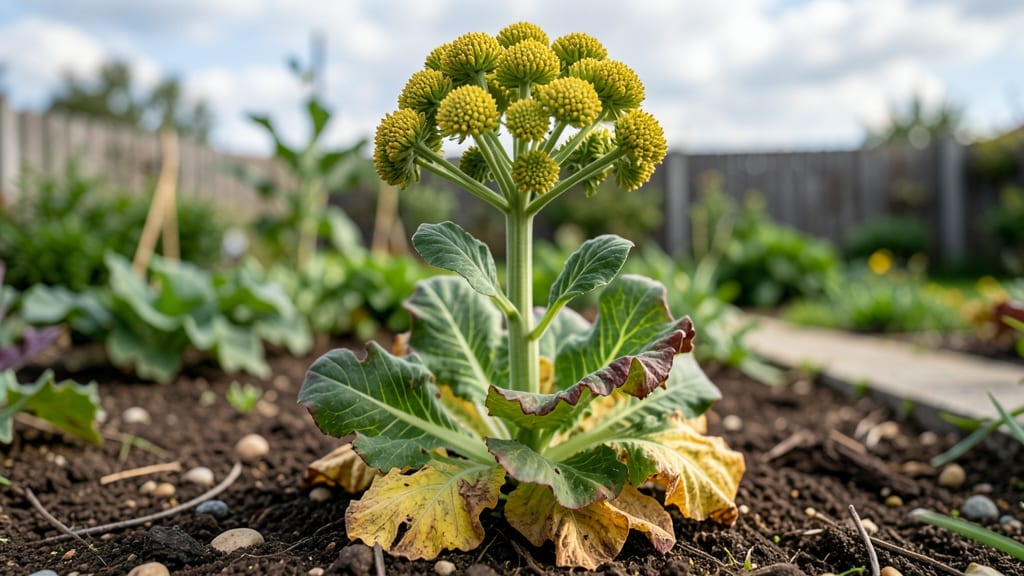
Saving lettuce seed pods means never buying seed again—and the process is easier than you think. 🌱 The key is letting plants bolt naturally, then harvesting the dry seed heads before they scatter.
I’ve saved seeds from my garden for three years now, and the varieties I’ve developed are far hardier than store-bought ones.
You’ll need just a few supplies: paper bags for drying, scissors or pruners, and a clean, dry spot to store your seeds. The biggest challenge is preventing premature bolting—heat and long days trigger it, so choose bolt-resistant varieties like ‘Romaine’ or ‘Buttercrunch’ for better success.
Once the seed pods turn brown and crispy, simply snip them off and let them dry completely in a paper bag. After a week, gently rub the pods to release the seeds, then store them in an airtight container in the fridge.
Properly stored, these seeds stay viable for up to five years.
This method works for any leafy greens, not just lettuce, and gives you control over your garden’s future. Next year, you’ll be harvesting from plants that grew from your own saved seeds—nothing beats that satisfaction.
📚 In This Guide
- What you need
- Instructions
- Tips and common mistakes
- Wrapping up and next steps
What you need
- ● Mature Lettuce Plants: Choose loose-leaf or romaine varieties (like 'Black Seeded Simpson' or 'Jericho')—they’re the best for seed production. You’ll need 3–5 healthy plants per variety.
- ● Pruning Shears or Sharp Scissors: For cleanly snipping seed stalks (sterilize with rubbing alcohol first!).
- ● Paper Bags or Brown Paper Envelopes: 1–2 per plant, labeled with the lettuce variety and date. Avoid plastic—it traps moisture!
- ● Drying Rack or Screen: A mesh screen, wire rack, or even a cardboard box with holes punched in it. Aim for good airflow.
- ● Permanent Marker or Labels: To mark varieties and harvest dates on your bags.
- ● Air-Tight Containers: Small glass jars, resealable plastic bags, or seed envelopes for long-term storage (5–10 per variety).
- ● Desiccant Packets: Tiny silica gel packs to absorb excess moisture in storage containers.
- ● Humidity Monitor: A small hygrometer (if storing in a humid climate) to keep RH below 40%.
- ● Freezer for Short-Term Backup: If drying conditions are too damp, pop pods in the freezer for 24 hours to kill pests before drying.
- ● Seed Catalog or Notebook: To track germination rates and notes on each variety’s performance.
Step-by-Step instructions for harvesting and storing lettuce seed pods
Here's how I save seeds from my best lettuce varieties—simple, reliable, and ready for next season.
🌱 Step 1: Select and Prepare Mature Lettuce Heads
Let your lettuce bolt naturally by allowing it to flower—this means letting some plants go to seed instead of harvesting leaves. Choose heads with fully developed seed stalks that have turned brown and dried. Cut the entire stalk at the base with clean shears when the seed pods are dry and papery to the touch.
I work on a clean sheet of newspaper or cardboard to catch stray seeds. Gently shake each stalk over the surface to release any loose seeds already formed. This prevents cross-contamination and makes the drying process cleaner. Avoid wet weather—humidity will ruin your seeds before you even begin drying.
🌿 Step 2: Dry the Seed Pods Properly
Spread the seed stalks in a single layer on the newspaper or cardboard. Find a warm, dry, well-ventilated spot—70-75°F is ideal. Avoid direct sunlight, which can overheat and damage the seeds. I use a mesh screen or an old window screen to elevate them slightly above the surface for better airflow.
Leave them undisturbed for 1-2 weeks until the seed pods are completely dry and brittle. You'll know they're ready when a gentle squeeze releases seeds easily. If any pods remain green or moist, give them more time—they won't store well if still damp.
💧 Step 3: Harvest and Clean the Seeds
Once fully dry, place the seed stalks in a paper bag and seal it loosely. Shake vigorously for 30 seconds to dislodge all seeds. The bag's texture helps catch stray pods while allowing seeds to fall out. I tap the bag against a hard surface to ensure everything releases.
Pour the contents onto a clean sheet of paper and separate the seeds from chaff using a fan or gentle breeze. Discard any debris or empty pods. Store the clean seeds in a labeled envelope or small glass jar—1 teaspoon of seeds per variety is plenty for next year's garden.
⏰ Step 4: Store Seeds for Long-Term Viability
Place the sealed container in a cool, dark place—35-40°F is perfect for long-term storage. A refrigerator crisper drawer works well. Label each container with the variety name and harvest date. Properly stored lettuce seeds remain viable for 3-5 years, though germination rates decline after the first year.
Check your stored seeds annually. If you notice moisture or mold, transfer them to a new container immediately. Lettuce seeds are sensitive to humidity, so keep them in airtight containers with silica gel packets if your storage area tends to be damp.
Tips & tricks for perfect lettuce seed pod preservation
Here's what nobody tells you about saving your best lettuce seeds—these little details make all the difference between seeds that sprout and ones that don't.
Selection Tip: Look for seed stalks that have turned completely brown and feel crispy to the touch in Step 1. Green or partially dried pods won't produce viable seeds. I've learned this the hard way—waiting until they're fully dried prevents wasted effort. The papery texture is your golden signal that they're ready for harvest.
Drying Strategy: That 70-75°F temperature range in Step 2 isn't just ideal—it's critical. Too hot and you'll damage the seeds; too cool and they'll stay damp. I use a mesh screen elevated above my kitchen counter near a gentle fan. This creates perfect airflow without direct heat. If you notice any pods still feeling moist after the full 1-2 weeks, give them an extra day—they won't store properly if damp.
Harvesting Hack: When you shake those seed stalks for 30 seconds in Step 3, do it over a clean sheet of newspaper or paper towel. The bag method works, but I find stray seeds catch better on flat surfaces. After shaking, I give the bag one final tap against my counter—this releases any seeds clinging to the inside. A gentle breeze from a fan then separates seeds from chaff beautifully without damaging them.
Storage Wisdom: For the 35-40°F storage temperature in Step 4, I keep my seed packets in the crisper drawer of my refrigerator. The humidity control there prevents moisture buildup that can ruin seeds. I've had lettuce seeds last 4 years this way—though germination drops after year 2. Always label your containers with both the variety name AND harvest date. Next year's you won't thank you if you can't remember which packet is which!
Pro Tips for Lettuce Seed Pods
- Here's what nobody tells you about saving your best lettuce seeds—these little details make all the difference between seeds that sprout and ones that don't.
- Selection Tip: Look for seed stalks that have turned completely brown and feel crispy to the touch in Step 1.
- Drying Strategy: That 70-75°F temperature range in Step 2 isn't just ideal—it's critical.
Frequently asked questions
Got questions about harvesting, storing, or growing from lettuce seed pods? You’re not alone! Here are some of the most common queries—and their answers—to help you master the art of saving seeds for next season’s garden.
How do I know when lettuce seed pods are ready to harvest?
Lettuce seed pods are ready when they turn brown and dry to the touch, usually 60–90 days after planting. Avoid harvesting if pods are still green or if seeds rattle inside—this means they’re not fully mature. Wait for them to pop open easily when gently squeezed.
Can I store lettuce seeds in the fridge instead of a cool, dry place?
While a fridge might seem convenient, it’s not ideal for long-term storage. Lettuce seeds thrive in cool (35–40°F) and dry conditions—like a seed vault or airtight container in a basement. Humidity in fridges can cause mold. For short-term (weeks), it’s fine, but for viability beyond a year, opt for a consistent, dry environment.
How long do lettuce seeds stay viable for storage?
Under perfect conditions (cool, dry, dark), lettuce seeds retain viability for 3–5 years. However, germination rates drop after 2–3 years. Label your pods with the harvest year to track freshness. Pro tip: Test a few seeds annually by planting them—if germination is slow or spotty, it’s time to harvest new seeds!
What if my lettuce bolts before producing seed pods?
Bolting (sending up a flower stalk) is common in heat or stress, but it’s not a dead end! If your lettuce bolts early, let it flower—the pods will still form. Just avoid harvesting leaves after bolting, as the plant shifts energy to seed production. For next year, try heat-tolerant varieties like ‘Black Seeded Simpson’ or plant in spring/fall to avoid summer heat.
Are there alternatives to saving lettuce seeds if I don’t have space?
If seed-saving feels tricky, try these shortcuts:
- Buy organic seeds from reputable sellers (look for untreated, non-GMO labels).
- Swap seeds with local gardeners—check community garden groups or seed exchanges.
- Grow from store-bought lettuce: Rinse lettuce, let it dry, and place the core in water to sprout roots, then transplant.
No guilt—every gardener starts somewhere!
Wrapping up and next steps
Growing your own lettuce seed pods is a rewarding way to ensure a fresh, homegrown harvest year after year!
By mastering the drying and storage process, you’ll save money, reduce waste, and enjoy the satisfaction of nurturing life from seed to salad. Ready to take the next step? Start small—try drying a few pods this season, experiment with storage methods, and soon you’ll be sharing your green thumb success with friends or expanding your garden’s diversity.
Happy gardening! 🌱✨