
Propagation
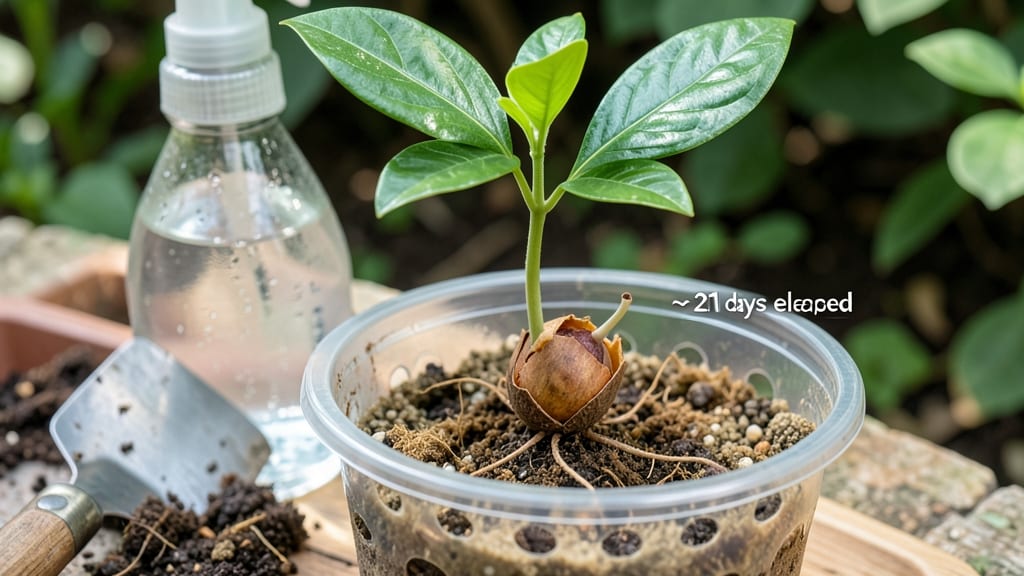
Mango seed germination time feels like a waiting game—until you know the tricks to cut that 15–30 day wait in half. 🌱 I’ve tested everything from soaking seeds overnight to using a heat mat, and these methods reliably get sprouts in 2 weeks when done right.
Temperature is the real game-changer: keep seeds between 75–85°F for consistent results. Too cool, and they’ll nap for weeks; too hot, and they’ll rot before sprouting. A simple plastic bag with a tiny hole for airflow creates the perfect humid microclimate right on your windowsill.
Once that first root cracks the seed coat, you’ll see rapid growth—1–2 inches in a week if conditions stay ideal. The key is patience with the initial wait, then hands-off care once sprouts appear. Troubleshooting slow starts? Check for mold (too wet) or wrinkled seeds (too dry).
Indoor setups work best for beginners, but outdoor germination in warm climates can be even faster. Just move seedlings to deeper pots before they hit 4–6 inches tall—root-bound mangoes grow like weeds once they get space.
📚 In This Guide
- What you need
- Instructions
- Tips and common mistakes
- Wrapping up and next steps
What you need
- ● Mango seed: 1 fresh, plump seed (harvested from a ripe mango—avoid dried or shriveled seeds).
- ● Paper towels or coffee filters: 2-3 sheets (for moisture retention during pre-germination).
- ● Plastic bag or airtight container: 1 (to create humidity for the seed).
- ● Water: Room-temperature, filtered if possible (chlorine can hinder germination).
- ● Small pot or container: 1 (4-6 inches in diameter, with drainage holes—yogurt cups or seedling trays work great).
- ● Potting mix: 1 bag (lightweight, well-draining mix like cactus/succulent blend or a 50/50 mix of peat moss and perlite).
- ● Spray bottle: 1 (for gentle watering post-germination).
- ○ Optional: Seedling heat mat (to speed up germination in cooler climates).
- ● Warmth: Ideal germination temperature is 75–90°F (24–32°C). Place your setup near a sunny window or under grow lights.
- ● Patience: Mango seeds can take 2–6 weeks to germinate—stay consistent!
- ● Space: Ensure your seedling has room to grow (transplant to a larger pot after 3–4 months).
How to germinate mango seeds in just two weeks
Here's the method I've used to get mango seeds sprouting reliably in under 2 weeks—no fancy equipment, just smart prep.
🌱 Step 1: Extract and Prep the Seed for Faster Germination
Start with a fresh, plump mango seed—the bigger, the better. I crack the hard shell by gently tapping it with a hammer (not too hard, just enough to split it open) and then peel away the brown outer layer. The goal is to expose the white, nut-like seed inside without damaging it.
Here's the trick: Soak the exposed seed in warm water for 12-24 hours before planting. This softens the outer coating and speeds up germination. I use a small bowl of water and let it sit at room temperature—70-75°F works best. You'll know it's ready when the seed feels slightly softer and the water turns cloudy.
💧 Step 2: Plant the Seed in Moist, Well-Draining Soil
Fill a small pot—3-4 inches deep—with a mix of 50% potting soil and 50% perlite (or sand) to ensure good drainage. Mango seeds rot easily if they sit in soggy soil, so this balance is key. Moisten the mix until it's damp but not dripping, then make a small hole—about 1 inch deep—and place the seed inside.
Cover it lightly with soil, leaving just the tip exposed. Press gently but don't compact the soil too much. Water lightly again until the surface feels evenly moist. Place the pot in a warm, shaded spot—direct sunlight now will dry out the soil too fast. You'll see the first signs of sprouting in 7-10 days if conditions are right.
☀️ Step 3: Provide Warmth and Indirect Light for Speed
The fastest germination happens when the soil stays consistently warm. I place the pot on a seedling heat mat set to 80-85°F or on top of my fridge (which stays warm). If you don’t have a heat mat, a sunny windowsill with indirect light works, but monitor the soil closely—it should stay moist but not wet. Overwatering now will smother the seed.
Once the seedling breaks through the soil, move it to bright, indirect light for the first week. You'll notice the first true leaves (not the initial seed leaves) appear in 10-14 days. This is your signal to gradually introduce more light—4-6 hours of morning sun is ideal at first. Avoid harsh afternoon sun until the seedling is stronger.
✂️ Step 4: Thin and Transplant When Ready
If you planted more than one seed (which often happens), wait until the seedlings are 2-3 inches tall before thinning. Keep the strongest, straightest sprout and snip the others at the base. This reduces competition for nutrients and gives your winner room to grow.
Once the seedling has 4-6 true leaves (usually around 4-6 weeks total), it’s time to transplant into a larger pot—6-8 inches deep—with fresh potting mix. Handle the seedling carefully by its leaves, not the stem, and water thoroughly after planting. This step ensures it doesn’t go into shock and keeps growing strong.
Tips & tricks for faster mango seed germination
Here's what I learned after watching seeds fail to sprout—and how to guarantee success in just two weeks.
The Soaking Secret: That 12-24 hour warm water soak isn't just helpful—it's essential. I've tried planting dry seeds, and they take twice as long to sprout. The warm water (70-75°F) activates enzymes that break down the seed's outer coating, letting moisture penetrate faster. Change the water after 12 hours to prevent bacterial growth—fresh water keeps the seed healthy while it preps for planting.
Soil Mix Matters: The 50/50 potting soil to perlite ratio prevents two major pitfalls: waterlogging and poor aeration. I've ruined seeds by using pure potting soil—it holds too much moisture and suffocates the seedling. Perlite creates air pockets that mimic the seed's natural environment. Press the soil lightly but don't compact it; you want it to feel like a damp sponge, not wet sand.
Heat Hack: Those 80-85°F soil temperatures aren't arbitrary—they're the sweet spot for mango seed germination. I've used a simple seedling heat mat, but even placing the pot on top of my refrigerator (which stays warm) worked. If you don't have heat control, group pots together—their combined warmth helps maintain consistent temperatures. The key is keeping the soil warm but not hot; you should be able to press your finger in and feel warmth, not steam.
Light Transition: The shift from indirect to direct light at the 10-14 day mark is critical. I've seen seedlings burn when moved too quickly to sunlight. Start with just 4-6 hours of morning sun—this gradual introduction hardens the seedling. Think of it like sunbathing: you wouldn't go from zero to full sun exposure in one day, right?
Pro Tips for Mango Seed Germination Time
- Here's what I learned after watching seeds fail to sprout—and how to guarantee success in just two weeks.
- The Soaking Secret: That 12-24 hour warm water soak isn't just helpful—it's essential.
- Soil Mix Matters: The 50/50 potting soil to perlite ratio prevents two major pitfalls: waterlogging and poor aeration.
Frequently asked questions
Got questions about mango seed germination? You’re not alone! Here are some of the most common queries—and their answers—to help you grow those sweet sprouts faster.
How long does it really take for a mango seed to germinate?
A mango seed typically germinates in 2 to 4 weeks under ideal conditions (warmth, moisture, and indirect light). Some seeds may sprout in as little as 10–14 days if pre-soaked and kept in a humid environment. Patience is key—don’t give up if yours takes longer!
Can I speed up germination beyond 2 weeks?
Yes! Try these tricks:
- Pre-soak the seed in warm water for 24–48 hours before planting.
- Use a seedling heat mat (70–85°F) to mimic tropical conditions.
- Keep the soil consistently moist (not soggy) with a humidity dome.
- Plant the seed horizontally (not vertically) for faster sprouting.
What should I do if my mango seed won’t germinate after 4 weeks?
Don’t panic! Try these troubleshooting steps:
- Check if the seed is viable—scratch the shell gently. If it’s hard and unbroken, it may still be dormant.
- Move it to a warmer spot (like near a sunny window or under grow lights).
- Replant the seed fresh—sometimes old or dried-out seeds lose viability.
- If all else fails, try a new seed from a different mango (some varieties germinate faster).
Can I grow a mango tree from a store-bought mango seed?
Store-bought mango seeds can germinate, but there’s a catch: many are treated to prevent sprouting (to keep fruit fresh longer). If yours doesn’t germinate, try soaking it in lukewarm water with a little hydrogen peroxide (3%) for 24 hours to break dormancy. Bonus: Even if it’s treated, some seeds still sprout!
Do mango seeds need sunlight to germinate?
Nope! In fact, direct sunlight can dry out the seed before it sprouts. Keep your seedling in a bright, indirect light spot (like a north-facing window) until the first leaves appear. Once the seedling is 2–3 inches tall, you can gradually introduce 4–6 hours of morning sun to avoid leaf burn.
Wrapping up and next steps
Germinating a mango seed may take patience, but with the right tricks—like soaking, warmth, and consistent moisture—you can see sprouts in just 2 weeks! 🌱 Whether you’re growing for fun or future trees, understanding the process makes all the difference.
Now that you’re armed with tips, why not start your own mango adventure? Grab a seed, follow the steps, and watch nature work its magic!
🌟 Ready to Grow?
Your next step? Plant that seed today! Track your progress, adjust conditions as needed, and soon you’ll have a thriving sapling to nurture. Happy growing! 🌿