
Lawn
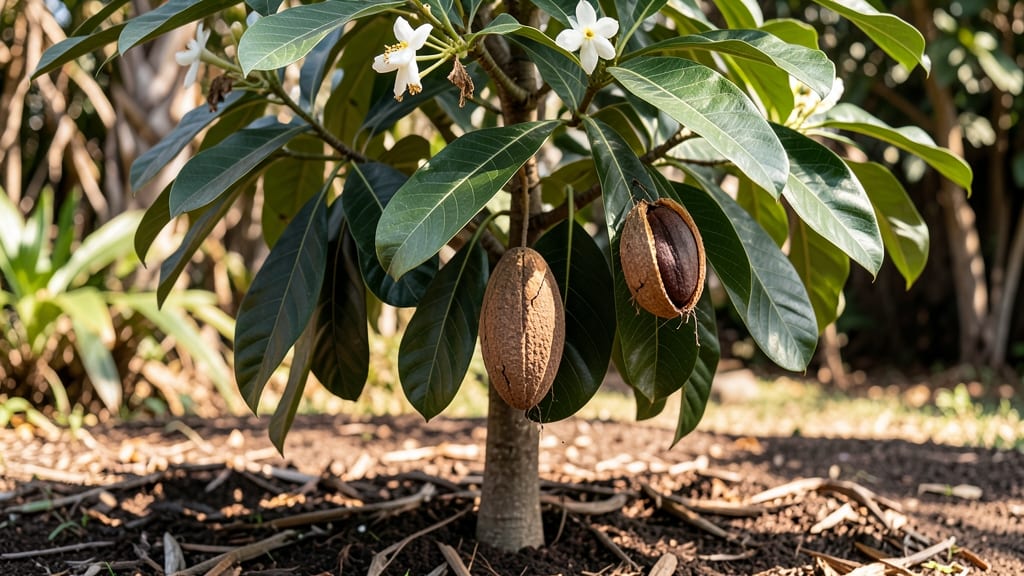
The mango seed pod holds the secret to your own tropical tree. 🌱 I’ve turned grocery store scraps into lush 3-foot saplings in just 6 months by cracking the germination code—no fancy equipment needed.
Start with a fresh pit, soak it overnight, then plant it shallow in a warm, moist mix of peat and sand. Keep it in bright, indirect light and watch for sprouts in 2-4 weeks. The key is patience and consistency—overwatering is the fastest way to kill your seedling.
By the time it’s ready for transplant, you’ll have a sturdy young tree with broad leaves. True fruit quality? Forget it—seedlings rarely match grocery store varieties, but they’re perfect for grafting or just admiring that tropical vibe in your yard.
This method works indoors or out, though you’ll need to protect young plants from frost. Here’s how to get those first leaves growing strong!
📚 In This Guide
- What you need
- Instructions
- Tips and common mistakes
- Wrapping up and next steps
What you need
- ● 1-2 fresh mango seed pods – Choose plump, firm seeds (avoid shriveled or cracked ones). Pro tip: 💡 Pick seeds from ripe, organic mangoes for the best germination rates!
- ● Small pots (3-4 inches in diameter) – 2-3 pots with drainage holes (plastic or biodegradable options work).
- ● Well-draining potting mix – A blend of 50% coco coir or peat moss and 50% perlite or vermiculite (or a seed-starting mix).
- ● Spray bottle (with water) – For gentle hydration without over-saturating the seed.
- ○ Clear plastic wrap or humidity dome – To create a mini greenhouse effect (optional but helpful for humidity).
- ○ Heat mat (optional but recommended) – A 70-85°F (21-29°C) seedling heat mat speeds up germination (especially in cooler climates).
- ● Sharp knife or scissors – For carefully slicing the seed pod open.
- ● Paper towels or damp cloth – To prep the seed before planting.
- ● Grow lights or sunny windowsill – Seedlings need 6-8 hours of indirect light daily once they sprout.
- ● Fertilizer (balanced, water-soluble) – Like 5-5-5 NPK, diluted to half-strength, for when sprouts appear (after ~4 weeks).
- ● Humidity tray or pebble tray – Elevates pots slightly to prevent root rot.
- ● Plant labels & marker – To track germination dates and seed varieties.
- ● Patience & a notebook – Jot down observations (like sprouting days or leaf growth)!
Step-by-Step instructions for germinating mango seed pods
Here's how to coax those stubborn mango pits into sprouts without the months-long wait.
🌱 Step 1: Extract and Prepare the Seed
Start with a fresh mango pit—never dried or stored ones. Cut through the hard shell with a sharp knife, exposing the seed inside. The seed has two halves; separate them carefully. One half will have a small white nub—this is the embryo, and it's the one you'll plant. The other half is just the seed coat and won't sprout.
Rinse the embryo under cool water to remove any remaining fruit residue. Here's the trick: wrap the embryo in a damp paper towel, fold it into a small packet, and secure it with a rubber band. Place this packet in a sealed plastic bag—this traps moisture and warmth, which speeds up germination. Check daily to ensure the towel stays damp but not soggy.
💧 Step 2: Speed Up Germination with Warmth
Mango seeds need warmth to break dormancy. Place the sealed bag in a warm spot—think on top of the fridge or near a sunny window where temperatures stay between 75-85°F. You'll see the first signs of life in 1-3 weeks: a tiny white root will emerge first, followed by a small shoot.
Don't rush to plant yet. Wait until the root is 1-2 inches long and the shoot is at least ½ inch tall. This ensures the seedling is strong enough to handle transplanting. If the paper towel dries out, mist it lightly with water and reseal the bag—keeping moisture consistent is key.
⏰ Step 3: Transplant into Soil When Ready
Once your seedling has both root and shoot, it's time to move it to soil. Fill a small 3-4 inch pot with well-draining potting mix—mango seedlings hate soggy roots. Make a small hole in the center, about ½ inch deep, and gently place the seedling in, covering the root but leaving the shoot exposed.
Press the soil lightly around the seedling to secure it, then water gently until moisture seeps out the drainage hole. Place the pot in bright, indirect light for the first week—direct sun can scorch tender new leaves. Watch for the first true leaves to appear in 2-4 weeks; these will be broader than the initial seed leaves and signal healthy growth.
☀️ Step 4: Gradually Acclimate to Sun and Outdoor Conditions
After the seedling has 4-6 true leaves, it's ready for more light. Move it to a spot with morning sun and afternoon shade for a week, then gradually increase sun exposure. By 8-12 weeks, if your climate allows, you can transplant it outdoors—but only after the last frost date and when nighttime temperatures stay above 55°F. Mango trees are tropical and won't tolerate cold.
Here's where patience pays off: Mango trees grown from seed can take 3-5 years to bear fruit, but the journey starts with these fast, reliable sprouts. Keep the soil consistently moist but not waterlogged, and fertilize lightly with a balanced fertilizer every 2-3 months once the tree is established.
Tips & tricks for fast mango seedling germination
Here's what I learned after watching dozens of mango seeds sprout—or fail to sprout—over the years.
Embryo Selection: The embryo is your golden ticket, so handle it with care. When you separate the seed halves, look for the one with that tiny white nub—the embryo. This is the only part that will grow. I've seen people accidentally plant the wrong half, so take your time here. Once you've identified it, give it a quick rinse to remove any sticky mango residue that could inhibit germination.
Warmth is Non-Negotiable: Those 75-85°F temperatures in Step 2 aren't just suggestions—they're critical. If your home stays cooler than this, try placing the bag near a sunny window during the day or use a seedling heat mat set to low. I once left a batch in a 68°F room and waited weeks for nothing. The warmth mimics tropical conditions where mango trees naturally grow, breaking the seed's dormancy faster.
Transplant Timing Matters: Waiting until your seedling has a 1-2 inch root and a ½ inch shoot before transplanting makes all the difference. Rushing this step often leads to fragile seedlings that struggle to adapt. I've seen people plant too early, only to have the shoot break off during transfer. Be patient—this is when your seedling builds strength for the next growth phase.
Light Transition Strategy: That first week of bright, indirect light in Step 3 is crucial for preventing sunburn. I recommend placing your pot near an east-facing window where morning light is gentle. If you don't have that option, use sheer curtains to diffuse the light. You'll notice the leaves will turn a vibrant green rather than yellow or brown, which is your sign you're doing it right.
Pro Tips for Mango Seed Pod
- Here's what I learned after watching dozens of mango seeds sprout—or fail to sprout—over the years.
- Embryo Selection: The embryo is your golden ticket, so handle it with care.
- Warmth is Non-Negotiable: Those 75-85°F temperatures in Step 2 aren't just suggestions—they're critical.
Frequently asked questions
Got questions about growing mango seed pods? You’re not alone!
Here are answers to the most common queries—from germination tips to troubleshooting—so you can grow your own mango tree with confidence.
How long does it take for a mango seed to sprout?
A mango seed typically sprouts within 2–4 weeks when kept in warm, moist conditions (75–85°F). Patience is key—some seeds take longer, especially if stored dry. If your seed hasn’t sprouted after 6 weeks, it may not be viable. Pro tip: Soak seeds overnight before planting to speed up germination!
Can I grow a mango tree from a grocery store mango seed?
Yes! Grocery store mango seeds are viable, but choose a ripe, organic mango for the best results. Avoid seeds from hybrid varieties (like Ataulfo) if you want true-to-type fruit—these may not produce the same quality. For guaranteed success, source seeds from a reputable nursery or a known mango tree.
What’s the ideal temperature for germinating mango seeds?
Mango seeds thrive in warmth (70–90°F). Use a seedling heat mat or place them near a sunny window. If your home is cool, try a clear plastic bag over the pot to trap heat and moisture. Avoid cold drafts—seeds may rot or fail to sprout. Troubleshooting: Yellowing or mushy seeds? Overwatering or poor drainage is likely the culprit.
Do mango seed pods need sunlight right away?
Not immediately! Start with indirect light (like a bright windowsill) for the first 2–3 weeks. Once the sprout reaches 2–3 inches, introduce 4–6 hours of direct sunlight daily to prevent leggy growth. Too much sun too soon can scorch tender seedlings. Alternative: Use a grow light if natural light is limited.
What if my mango seed pod rots or molds?
Rotting or mold (fuzzy white/green growth) usually means too much moisture or poor drainage. Fix it by:
- Repotting in fresh, well-draining soil (cactus/succulent mix works well).
- Watering only when the top inch of soil is dry.
- Ensuring the pot has drainage holes.
How tall should my mango seedling be before transplanting outdoors?
Wait until your seedling is 12–18 inches tall with a sturdy stem (about 3–6 months old). Harden it off by placing it outdoors for 2–3 hours daily over 1–2 weeks, gradually increasing time. Choose a permanent spot with full sun (6+ hours) and well-draining soil. Warning: Mango trees are tropical—protect young plants from frost!
Wrapping up and next steps
Growing a mango seed pod into a thriving plant is a rewarding journey that combines patience, care, and a little tropical magic! 🌱 Whether you’re aiming for a stunning houseplant or dreaming of homegrown mangoes, your efforts will pay off with time.
Start by planting your sprouted seed in well-draining soil and keeping it cozy in indirect sunlight—soon, you’ll be nurturing a lush, vibrant tree.
Ready to take the next step? Experiment with different mango varieties or share your progress with fellow plant enthusiasts for extra motivation. Happy growing—your future mango tree is waiting! 🌴✨