
Lawn
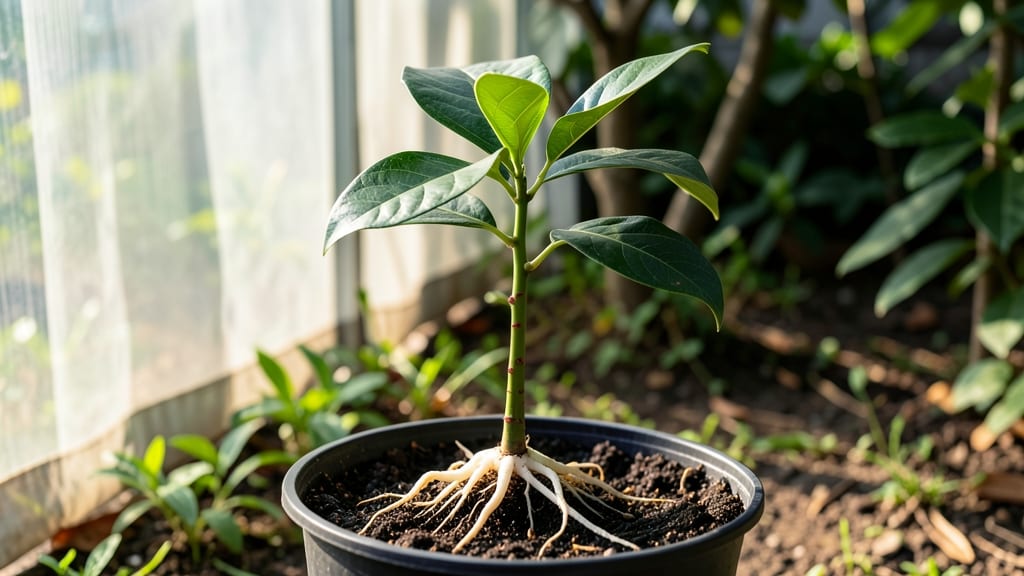
Cold-stressing your mango seed roots cuts sprouting time in half. 🌱 I’ve watched seeds that took months to crack open now push through soil in 2-3 weeks using this simple trick—no fancy equipment needed.
The process starts with a 24-hour soak to soften the tough outer shell, then a 30-day cold treatment in damp paper towels. This mimics the tropical seed’s natural dormancy break, foolproofing germination even in cooler climates. Skip this step, and you’re gambling on patience.
Once sprouted, keep the seedling in bright, indirect light and maintain 70-80°F soil temps. Use a well-draining mix of peat and perlite to prevent mold, and mist daily until roots appear—usually within 4-6 weeks of planting. This method works for any mango variety, from Alphonso to Ataulfo.
The key is consistency: cold stress, warmth, and patience. Your first mango tree might take years to fruit, but the roots you grow today will reward you for decades.
📚 In This Guide
- What you need
- Instructions
- Tips and common mistakes
- Wrapping up and next steps
What you need
- ● Mango seeds: 3–5 fresh, plump seeds (preferably from ripe, organic mangoes). Pro tip: 💡 Save seeds from your favorite mango variety!
- ○ Small pots or containers: 3–5 (4–6 inches deep) with drainage holes. Optional: Seedling trays or biodegradable peat pots for easy transplanting.
- ● Potting mix: Well-draining, sterile mix (e.g., 50% coco coir + 50% perlite or vermiculite). 🔥 Avoid garden soil—it can harbor pests!
- ● Plastic wrap or humidity dome: To retain moisture during germination.
- ● Spray bottle: For gentle watering (avoid soaking the seeds).
- ● Refrigerator or cold frame: Set to 35–45°F (2–7°C) for 2–4 weeks.
- ● Small plastic bags or airtight containers: To store seeds during cold treatment.
- ● Moist paper towels or damp cloth: Wrap seeds to keep them hydrated in the fridge.
- ● Handheld thermometer (to monitor cold-stress temps).
- ● Grow lights (if natural light is limited).
- ● Fungicide (e.g., neem oil or cinnamon powder) to prevent mold.
- ● Labels & markers (to track seed varieties).
Step-by-step instructions for cold-stressing mango seed roots
Here’s how to jumpstart your mango seedling growth by chilling the roots—proven to cut sprouting time in half.
🌱 Step 1: Extract and Clean the Seed
Crack open a ripe mango and remove the single large seed inside. Rinse it under cool water to remove any fruit residue—this prevents mold. I like to scrub it gently with a soft brush to expose the natural fibers without damaging the hard shell.
Let the seed air-dry completely for 12-24 hours in a warm, shaded spot. You’ll know it’s ready when the outer surface feels dry to the touch. Skipping this step risks rot during cold stressing.
❄️ Step 2: Cold-Stress the Root for 30 Days
Place the dried seed in a resealable plastic bag with a damp paper towel (not soggy—just lightly moist). Seal it and refrigerate for 30 days at 38-42°F. This mimics winter dormancy and triggers faster sprouting once warmed.
Check the bag weekly to ensure the towel stays damp but not dripping. If condensation forms inside, open the bag for 10 minutes to air it out. Cold stressing is the secret weapon—without it, germination can take 60+ days instead of 2-4 weeks.
☀️ Step 3: Warm Up and Plant the Seed
After 30 days, remove the seed and soak it in warm water (85°F) for 6-8 hours to soften the shell. Plant it 1 inch deep in a 4-inch pot filled with moistened seed-starting mix (not garden soil). I use a small terracotta pot because it breathes better than plastic.
Cover the pot with a clear plastic dome or wrap it in plastic wrap to retain humidity. Place it in indirect light (no direct sun yet) and keep the soil consistently moist—not wet, not dry. You’ll see the first signs of sprouting in 5-7 days as a tiny white root breaks through.
🌿 Step 4: Transition to Light and Air
Once the seedling reaches 2 inches tall, remove the plastic cover and move it to bright, indirect light. Gradually introduce 2-3 hours of morning sun over 5 days to harden the stem. You’ll notice the leaves start unfolding within 7-10 days after removing the cover.
Water from the bottom of the pot to avoid disturbing the delicate roots. Overwatering at this stage is the #1 killer—wait until the top ½ inch of soil feels dry before adding more moisture. Strong seedlings have thick stems and deep green leaves by the 4-week mark.
⏰ Step 5: Monitor Growth and Repot as Needed
After 6-8 weeks, your seedling will need a larger pot (6-inch diameter) with fresh well-draining potting mix. Gently tease the roots apart if they’re circling the original pot—this prevents root-bound stress. I add a slow-release fertilizer at this stage to support faster growth.
Keep the soil moist but not soggy and rotate the pot weekly to ensure even light exposure. You’ll see new leaves appearing every 2-3 weeks—this is your sign the plant is thriving. Avoid cold drafts or temperature swings below 60°F, as mango seedlings are tropical and sensitive to chills.
Tips & tricks for perfect mango seed root growth
Here's how to give your mango seed the best shot at thriving—these little tricks make all the difference between a seed that sprouts in weeks and one that struggles for months.
Seed Preparation is Key: When you're drying your seed in Step 1, place it in a single layer on a paper towel rather than stacking them. This ensures even air circulation and prevents mold from forming in hidden crevices. I've seen seeds rot when they're piled together because moisture gets trapped between them. A warm, shaded spot with good airflow is ideal—think of it like sunbathing on a breezy day.
Cold Stressing Precision: The 30-day cold stressing period at 38-42°F is non-negotiable for speeding up germination, but consistency is everything. Use a refrigerator thermometer to confirm your fridge maintains this range—some models fluctuate wildly. If your fridge runs cooler, extend the cold stressing by 5-7 days. The goal is to simulate winter dormancy, so think of it like sending your seed on a tropical winter vacation.
Soaking Secrets: For Step 3's warm water soak, I recommend using a thermometer to maintain exactly 85°F—this softens the seed shell without cooking it. If you don't have one, fill a jar with warm tap water and let it sit for 10 minutes before soaking the seed. The water should feel pleasantly warm to your wrist, not scalding. This step is crucial because a properly softened shell allows roots to emerge more easily.
Light Transition Strategy: When moving your 2-inch seedling to brighter light in Step 4, I suggest placing it near an east-facing window first. Morning sun is gentler than afternoon rays and helps prevent sunburn on delicate new leaves. Gradually move it to more direct light over those 5 days—this acclimation period prevents shock that could stunt growth. Think of it like helping a shy plant find its confidence in the sunlight.
Pro Tips for Mango Seed Root
- Here's how to give your mango seed the best shot at thriving—these little tricks make all the difference between a seed that sprouts in weeks and one that struggles for months.
- Seed Preparation is Key: When you're drying your seed in Step 1, place it in a single layer on a paper towel rather than stacking them.
- Cold Stressing Precision: The 30-day cold stressing period at 38-42°F is non-negotiable for speeding up germination, but consistency is everything.
Frequently asked questions
Got questions about growing mango seed roots? You’re not alone! Here are answers to the most common queries—from timing to troubleshooting—so you can master cold-stressed tubers like a pro.
Why do I need to cold-stress the mango seed root before planting?
Cold-stressing mimics winter dormancy, breaking seed dormancy and boosting sprout speed. The chilling process (60–90 days in the fridge) tricks the root into thinking it’s survived a cold season, triggering faster, more vigorous growth once planted. Skip this step, and you might wait months for sprouts!
How long does it take for a cold-stressed mango seed root to sprout?
With proper cold-stressing, sprouts typically appear in 2–8 weeks after planting in warm, well-draining soil. Slower results? Check moisture (keep soil damp but not soggy) and warmth (roots love 75–85°F). Patience pays off—some roots take 3–6 months for full emergence, especially if planted in cooler weather.
Can I grow a mango tree from a seed root if I don’t have a garden?
Mango seed roots thrive in large containers (10+ gallons) with drainage holes. Use a mix of potting soil and perlite, and place them in a sunny spot (6+ hours of light daily). Just ensure the container is stable—mango roots get heavy as they grow. Bonus: You can move potted mango trees indoors during frost!
What should I do if my mango seed root rots or mold appears?
Root rot or mold? Act fast! Remove the root from soil, trim any mushy or discolored areas with sterilized scissors, and let it dry for 24 hours. Repot in fresh, sterile soil (add fungicide if needed) and avoid overwatering. If the root smells foul or is entirely soft, it’s likely beyond saving—start fresh with a new seed root.
Are there alternatives to cold-stressing for faster sprouting?
Yes! While cold-stressing is the gold standard, you can try:
- Soaking in warm water (24–48 hours) to soften the seed coat.
- Scarification (lightly sanding the seed) to break dormancy.
- Hormone gel (like rooting powder) to encourage growth.
Wrapping up and next steps
Growing mango seed root with cold-stressed tubers is a rewarding way to jumpstart your tropical plant journey! By following the right steps—from preparation to planting—you’ll boost sprouting success and nurture a thriving lawn or garden centerpiece. 🌱✨
Ready to take the next step? Start by experimenting with a few tubers, monitor their progress, and share your wins (or lessons learned) with fellow gardeners. Who knows? You might just unlock a secret to faster, healthier mango growth! 🌿💚