
Lawn
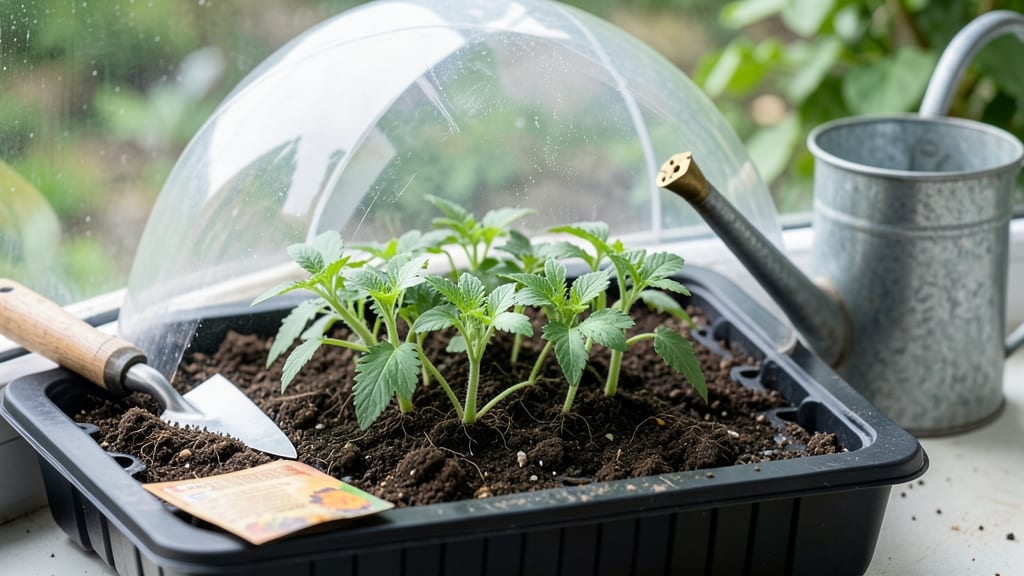
Marigold seed sprouts pop up in just 3-5 days when you nail the conditions—warm soil, consistent moisture, and the right light. 🌱 I’ve seen trays of seeds go from blank to green in under a week, and the secret isn’t magic, it’s science.
Too cold? They’ll sulk. Too dry? They’ll give up. But get it right, and you’ll have sturdy little seedlings ready for transplanting before most gardeners even start their tomatoes.
You only need three things: a flat tray or small pots, seed-starting mix (or even potting soil with perlite), and a heat mat or sunny windowsill. No fancy equipment—just warmth and patience. The key is keeping the soil 70-75°F and moist but not soggy.
I’ve watched seeds sprout in as little as 3 days when conditions are perfect, though 5-7 days is more common. The first true leaves? Those are your golden ticket to healthy plants.
Once they sprout, thin them to 1 inch apart so they don’t compete for space. Keep them bright but not scorched—morning sun or a grow light works best. You’ll notice the leaves turn a deeper green and the stems thicken within a week.
That’s when you know you’re on the right track. By the time they’re 2-3 inches tall, they’re ready to move into individual pots or straight into the garden.
Here’s the thing—marigolds are tough, but they won’t forgive neglect. If your sprouts look weak or leggy, it’s time to adjust the light or water. And if they take longer than a week? Check the soil temperature.
Most problems come from either too much water (rotting roots) or not enough warmth (slow starts). Get this right, and you’ll have bushy, vibrant seedlings that’ll outperform anything from a nursery.
📚 In This Guide
- What you need
- Instructions
- Tips and common mistakes
- Wrapping up and next steps
What you need
- ● Marigold seeds – Choose Tagetes varieties (e.g., French, African, or signet marigolds). A small packet (50–100 seeds) is plenty for starters!
- ● Seed-starting mix – A lightweight, well-draining potting soil (avoid garden soil—it’s too dense for sprouts). A 5-quart bag works for small batches.
- ● Containers – Use shallow trays (like a 10x20-inch seedling flat) or small pots (3–4 inches deep). Ensure they have drainage holes!
- ● Spray bottle – For gentle watering (a 16-ounce misting bottle is ideal).
- ○ Plastic wrap or humidity dome – Keeps moisture locked in until sprouts emerge (optional but helpful for faster germination).
- ● Grow lights or sunny windowsill – Sprouts need 6–8 hours of light daily. A LED grow bulb works if natural light is limited.
- ● Heating mat ($15–$25) – Speeds up germination in cooler climates (set to 70–75°F).
- ● Fertilizer (diluted) – A balanced 10-10-10 or seaweed-based fertilizer boosts early growth.
- ● Tweezers – For delicate seed placement (if not broadcasting).
- ● Label markers – To track varieties (especially if testing multiple types!).
How to speed up marigold seed germination in 3-5 days
Here’s my foolproof method for getting marigold seeds to sprout fast—no waiting weeks!
🌱 Step 1: Soak Seeds for 12 Hours Before Planting
Marigold seeds have a tough outer coating that slows germination. Place them in a bowl of lukewarm water for 12 hours to soften the shell. I use a mesh bag or paper towel to keep them contained—this prevents them from floating away or sticking to the bowl.
After soaking, drain the water and let the seeds sit for 30 minutes to dry slightly. This step is crucial—wet seeds planted directly will suffocate in soggy soil. You’ll see the seeds plump up slightly, signaling they’re ready to break through the shell faster.
💧 Step 2: Plant in Warm, Moist Soil at the Right Depth
Fill your seed trays or small pots with warm, well-draining soil (I aim for 75-80°F). Marigolds love heat, so if your home runs cooler, place the tray on a seedling heat mat. Press the soil down lightly to remove air pockets, then make tiny holes ¼ inch deep—about the width of the seed.
Drop 1-2 seeds per hole and cover them with a thin layer of soil. Mist the surface with water until it’s damp but not dripping. The goal is to keep the soil consistently moist—like a wrung-out sponge—without turning it into mud. Overwatering here will drown your seeds before they even sprout.
☀️ Step 3: Cover and Maintain Warmth for Fast Germination
Cover the tray with a clear plastic dome or plastic wrap to trap heat and humidity. Place it in a bright, warm spot—a sunny windowsill or under a grow light. Marigolds sprout fastest in 75-85°F soil, so if your home is cooler, the heat mat helps. You should see tiny sprouts in 3-5 days, but don’t be surprised if they take up to a week if conditions are less than ideal.
Check the soil daily—it should stay moist but never soggy. If the plastic fogs up, lift it for 10 minutes to let excess moisture escape. The moment you see green shoots, remove the cover completely to prevent damping-off, a fungal disease that can kill seedlings overnight.
✂️ Step 4: Thin Seedlings and Provide Light Immediately
Once seedlings have 2 true leaves (the first pair after the initial seed leaves), thin them to 1 per cell or 3 inches apart. Use scissors to snip weaker seedlings at soil level—this avoids disturbing the roots of the ones you’re keeping. Strong marigold seedlings will have bold, dark green leaves and sturdy stems.
Move them to a sunny window or under grow lights for 14-16 hours a day. Without enough light, seedlings stretch toward the sun (called "legginess") and become weak. If you see them leaning, rotate the tray daily so they grow straight. Within 2 weeks, you’ll have robust seedlings ready for transplanting!
Tips & tricks for perfect marigold seed germination
These little tricks will help you bypass the waiting game and get those marigold sprouts popping up in record time.
Soak Like a Pro: For the 12-hour soak in Step 1, use lukewarm water—not hot, not cold. I keep it around 80°F for best results. If your water feels tepid to the touch, it's perfect. The goal is to soften that tough seed coat without cooking the seeds. After soaking, I always give them that 30-minute dry time—this prevents mold from forming when you plant them.
Soil Temperature is Everything: Those 75-85°F soil temps in Steps 2 and 3 aren't just numbers—they're your secret weapon. If your home runs cooler, invest in a seedling heat mat ($10 at garden centers) or place your tray on top of your fridge. I've seen germination times cut in half just by keeping the soil warm. Pro tip: Check soil temp with a thermometer—most digital ones have a soil probe.
Humidity Control: The plastic cover in Step 3 creates a greenhouse effect, but it's easy to overdo it. When you see condensation fogging up the plastic, that's your cue to lift it for 10 minutes to air it out. Too much moisture leads to damping-off—a fungal disease that turns your sprouts to mush overnight. I keep a small fan nearby on low setting to circulate air without disturbing the seeds.
Light Matters More Than You Think: Those 14-16 hours of light in Step 4 aren't optional—they're crucial for preventing leggy seedlings. If your windowsill isn't bright enough, supplement with a simple LED grow light. I place mine about 6 inches above the seedlings and set a timer so they get consistent light. Rotate the tray daily so all sides get equal exposure—this prevents those sad, leaning seedlings that never grow straight.
Pro Tips for Marigold Seed Sprouts
- These little tricks will help you bypass the waiting game and get those marigold sprouts popping up in record time.
- Soak Like a Pro: For the 12-hour soak in Step 1, use lukewarm water—not hot, not cold.
- Soil Temperature is Everything: Those 75-85°F soil temps in Steps 2 and 3 aren't just numbers—they're your secret weapon.
Frequently asked questions
Got questions about growing marigold seed sprouts?
Here are some of the most common ones—plus quick, actionable answers to help you succeed!
How long do marigold seeds take to sprout?
Marigold seeds typically sprout in 3–5 days when kept in warm, moist conditions (70–75°F). For faster germination, soak seeds overnight or use a heat mat. If you don’t see sprouts within a week, check moisture levels or try fresh seeds—some varieties may take slightly longer.
Can marigold seeds sprout in cold weather?
Marigolds prefer warmth, so they won’t sprout well in cold soil (below 50°F). If planting early, start seeds indoors 4–6 weeks before the last frost or use a seedling heat mat. For outdoor planting, wait until the soil is consistently above 60°F for best results.
What if my marigold seeds aren’t sprouting?
Try these fixes if your seeds are slow to sprout:
- Check moisture: Keep soil damp (not soggy) but avoid overwatering.
- Test seed viability: Soak a few seeds in water—if they sink, they’re likely good.
- Adjust temperature: Move trays to a warmer spot (like near a sunny window or under grow lights).
- Scratch the seed coat: Lightly sandpaper or nick the seed to help water penetrate.
Can I plant marigold sprouts directly outside?
Yes! Once your marigold sprouts have 2–3 true leaves (not just the initial seed leaves), they’re ready for outdoor transplanting. Harden them off for 5–7 days first by placing them in partial shade, then gradually increase sun exposure. Choose a spot with full sun (6+ hours daily) and well-draining soil.
Are there faster-growing marigold varieties?
Some marigold types germinate slightly quicker than others. French marigolds (like ‘Bonanza’ or ‘Jumbo’) often sprout in 3–4 days, while African marigolds (e.g., ‘Crackerjack’) may take 4–6 days. For the fastest results, opt for organic seeds or pre-soaked seeds—just avoid overwatering once sprouted!
Wrapping up and next steps
Growing marigold seed sprouts in just 3-5 days is a rewarding and fast way to jumpstart your garden! With the right materials, ideal conditions, and a little patience, you’ll soon enjoy vibrant blooms that deter pests and brighten your lawn naturally. 🌱
Now that you’re equipped with the know-how, give it a try—start small with a few seeds and watch your green thumb grow! For even faster results, experiment with pre-soaking or a heat mat. Happy gardening! 🌟