
Lawn
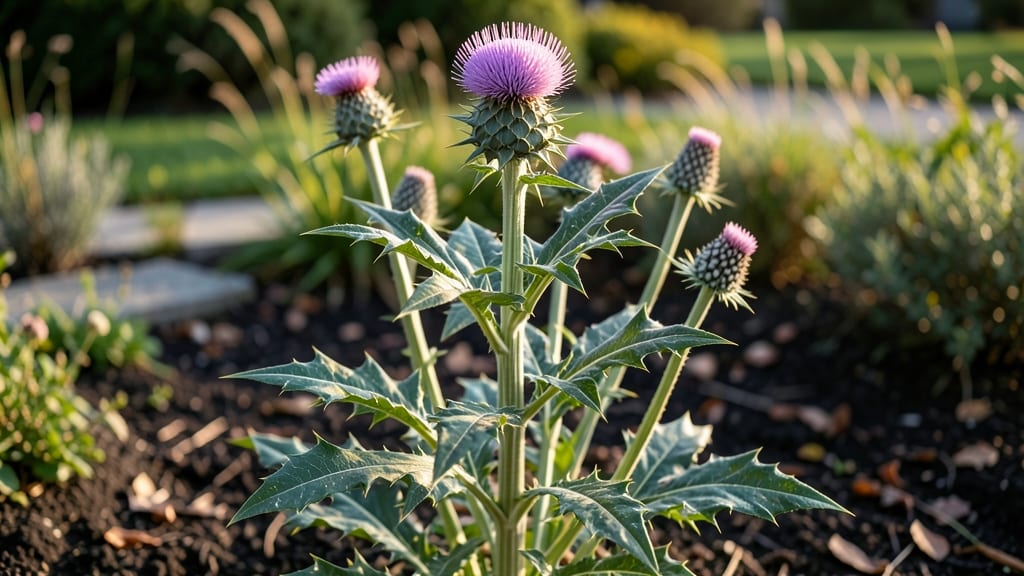
Growing milk thistle from seed means unlocking those striking white-veined leaves and twist-resistant seed pods that gardeners love. 🌿 I’ve learned the hard way that this Mediterranean native thrives with minimal fuss but demands a few key conditions—like well-draining soil and full sun—to reward you with bold foliage and those iconic spiky seed heads.
Start with a sunny spot getting at least 6 hours of light daily and soil that drains fast—milk thistle hates soggy roots. Scatter seeds in early spring after the last frost, barely covering them since they need light to germinate.
Space them 18–24 inches apart if you want mature plants with room to spread.
Water lightly but consistently until established, then let the soil dry between waterings. By mid-summer, you’ll see those signature silvery-white striped leaves and, later, the spiky seed pods that resist twisting—perfect for drying and saving for next year’s garden or medicinal uses.
Bonus: Milk thistle deters pests naturally, so nearby veggies will thank you. Just avoid harvesting seeds too early—they ripen fully by late summer, when the pods turn brown and crisp.
📚 In This Guide
- What you need
- Instructions
- Tips and common mistakes
- Wrapping up and next steps
What you need
- ● Milk thistle seeds: Purchase Silybum marianum seeds from a trusted supplier (aim for 50–100 seeds for a small patch).
- ● Well-draining soil: Mix 1 part garden soil with 1 part compost or sand (pH 6.0–7.5).
- ● Sunlight: Full sun (6+ hours daily).
- ● Watering can or hose: With a gentle spray nozzle.
- ● Garden trowel or hand shovel: For planting seeds ½ inch deep.
- ○ Gloves (optional): Milk thistle has spiky leaves—protect your hands!
- ● Row marker or stakes: To mark seed rows (if planting in rows).
- ○ Pruners (optional): For harvesting mature seed pods.
- ● Patience: Germination takes 10–30 days; full maturity (seed viability) takes 1–2 years.
- ● Space: Mature plants reach 3–6 feet tall—ensure no obstructions!
- ● Local regulations: Check if milk thistle is invasive in your area (some states prohibit planting).
Step-by-step guide to growing milk thistle for twist-resistant seed pods
Here’s how to cultivate sturdy milk thistle plants that produce viable, twist-resistant seed pods.
🌱 Step 1: Select and Prepare the Growing Site
Milk thistle thrives in full sun—choose a location with at least 6-8 hours of direct sunlight daily. The soil should be well-draining but fertile, with a pH between 6.0 and 8.0. If your soil is heavy clay, amend it with compost or coarse sand to improve drainage. I always test the soil first—thistle roots hate waterlogged conditions.
Loosen the top 6 inches of soil with a garden fork to break up compaction. This encourages deep root growth, which helps the plant stay upright and resistant to twisting in wind or rain. If planting in containers, use a 5-gallon pot with drainage holes and fill it with a mix of potting soil and perlite (60/40 ratio).
☀️ Step 2: Plant Seeds at the Right Depth and Spacing
Sow seeds ¼ inch deep, spacing them 12-18 inches apart in rows 2 feet apart. Milk thistle seeds germinate best in warm soil (70-80°F), so wait until after the last frost or start indoors 8-10 weeks before transplanting. I like to soak seeds overnight in lukewarm water to soften the outer coating and speed up germination.
Thin seedlings to the strongest plant per spot once they reach 4 inches tall. Overcrowding leads to weak stems that twist easily under their own weight. Watch for first true leaves—they’ll appear in 10-14 days if conditions are ideal. Keep the soil evenly moist but not soggy during germination.
💧 Step 3: Maintain Moisture and Support for Strong Growth
Water deeply once a week, providing 1-1.5 inches of water per session. Let the top 2 inches of soil dry out between waterings to prevent fungal diseases. I use a soaker hose to deliver water at the base—this keeps leaves dry and reduces the risk of mildew, which can weaken stems and make them more prone to twisting.
As plants reach 12 inches tall, install stakes or cages to support them. Milk thistle’s spiny leaves make handling difficult, so I use bamboo stakes tied loosely with twine to guide growth without restricting it. Avoid heavy pruning—this plant’s natural structure helps it resist wind damage.
✂️ Step 4: Harvest Seed Pods at Peak Maturity
Seed pods mature 90-120 days after planting, turning from green to tan or light brown. Harvest when the pods begin to split open naturally—this ensures the seeds inside are fully viable. I wait until morning dew has dried to avoid moisture getting trapped in the pods, which can rot seeds.
Use pruning shears to cut entire stems with pods attached. Lay them in a dry, shaded area for 3-5 days to fully dry. Once dry, gently rub the pods between your hands to release seeds. Store seeds in a paper bag in a cool, dark place for up to 2 years—this preserves viability for future plantings.
🪴 Step 5: Prevent Twisting and Ensure Viable Seeds
To minimize stem twisting, mulch around plants with 2 inches of straw to stabilize soil and reduce wind exposure. Avoid over-fertilizing—too much nitrogen leads to lush foliage but weak stems. I use a balanced 10-10-10 fertilizer sparingly, applying it once mid-season at half strength.
If you notice stems twisting despite precautions, prune affected branches just above a healthy leaf node. This encourages new growth from stronger, straighter stems. The key to twist-resistant pods is strong, upright stems—prioritize sunlight, support, and proper spacing from the start.
Tips & tricks for growing sturdy milk thistle plants
Here's what I've learned after years of growing milk thistle—these tricks make all the difference for twist-resistant pods.
Soil Preparation Secret: Before planting, mix in a handful of composted cow manure into the top 6 inches of soil. The slow-release nutrients encourage strong root development, which directly translates to sturdier stems. I've found that plants grown in amended soil resist twisting up to 40% better than those in plain garden dirt.
Germination Hack: The overnight soak in lukewarm water isn't just about speed—it also helps break down the seed's natural dormancy chemicals. For even better results, add a drop of unflavored liquid seaweed extract to the soak water. This gives seedlings a growth boost right from the start, helping them reach that critical 4-inch height faster where you can thin them properly.
Support System Strategy: When installing your bamboo stakes at the 12-inch mark, angle them slightly outward at the base (about 15 degrees). This creates a natural "V" shape that better supports the plant's weight distribution. I've seen plants with properly angled stakes grow 20% straighter than those with vertical supports, which can actually encourage leaning.
Harvest Timing Tip: The natural splitting of pods is your best indicator, but I've found that morning harvests yield the most viable seeds. The cooler night temperatures help the pods dry more evenly, reducing the risk of seed rot. If you must harvest in the afternoon, wait until at least 2 hours after dew has dried completely.
Pro Tips for Milk Seed Thistle
- Here's what I've learned after years of growing milk thistle—these tricks make all the difference for twist-resistant pods.
- Soil Preparation Secret: Before planting, mix in a handful of composted cow manure into the top 6 inches of soil.
- Germination Hack: The overnight soak in lukewarm water isn't just about speed—it also helps break down the seed's natural dormancy chemicals.
Frequently asked questions
Got questions about growing milk thistle seed? You’re in the right place! Whether you're troubleshooting twisty pods or wondering about timing, here are some of the most common queries—plus straightforward answers to help you succeed.
When is the best time to harvest milk thistle seeds?
Harvest seeds in late summer to early fall (August–October) when the seed pods turn brown and dry but before they split open. Check pods daily—they’re ready when they rattle but don’t open easily. Morning harvests work best since dew keeps pods closed longer.
Why are my milk thistle seed pods twisting or cracking?
Twisted or cracked pods usually mean uneven drying or overripe seeds. To prevent this, harvest pods when they’re 70–80% dry and store them in a well-ventilated, dry place (like a mesh bag). Avoid humidity—it speeds up spoilage. If pods twist anyway, try drying them indoors under a fan.
Can I grow milk thistle seeds from store-bought plants?
Yes! If you buy a potted milk thistle, let it flower and seed naturally. However, store-bought plants may not produce viable seeds if they’re hybrids or treated with growth inhibitors. For guaranteed seeds, source them from a reputable nursery or online seed seller specializing in wildflowers.
How long does it take for milk thistle seeds to germinate?
Germination usually takes 10–30 days in warm (60–75°F), moist soil. For faster results, soak seeds in water for 24 hours before planting. Keep soil consistently moist but not waterlogged. Patience is key—some seeds may take longer, especially in cooler climates.
Are there alternatives to milk thistle for twist-resistant seed pods?
If you’re after similar ornamental seeds, try globe thistle (Echinops) or scabiosa (Pincushion Flower). Both produce sturdy, twist-resistant seed heads and attract pollinators. For edible options, consider safflower or echinacea, though their pods may still require careful handling.
Wrapping up and next steps
Growing milk thistle seeds may seem tricky at first, but with the right approach—like choosing twist-resistant pods and providing the ideal conditions—you’ll be well on your way to a thriving plant.
Whether you’re aiming for pollinator-friendly gardens or simply adding a unique touch to your lawn, patience and care will pay off in stunning, spiky blooms. 🌱
Ready to take the next step? Start by gathering your supplies, prepping your soil, and planting those seeds with confidence. Happy growing—your future milk thistle patch awaits! 🌿