
Lawn
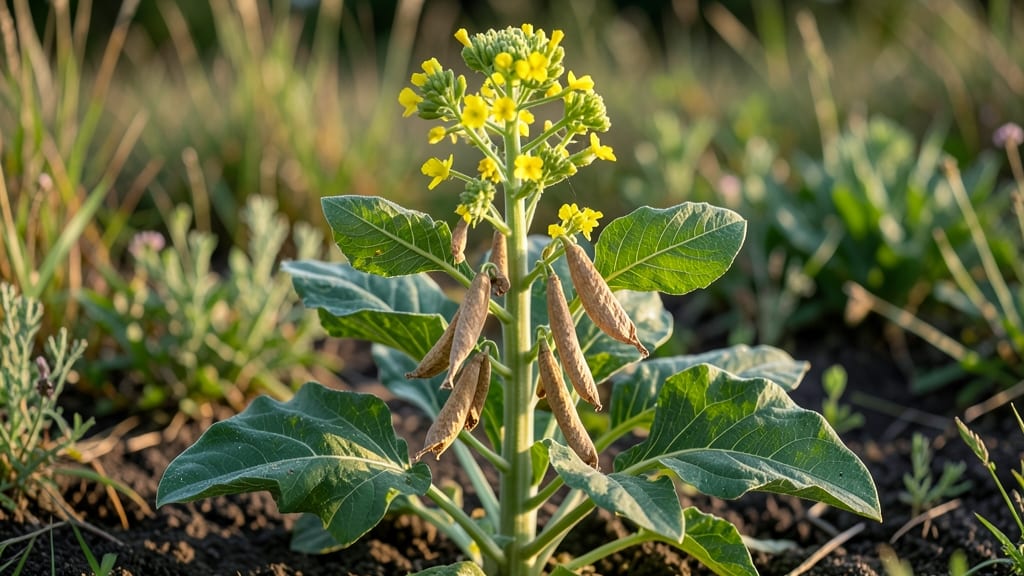
Growing mustard from seed transforms scraps into next year's harvest with just a few simple steps. 🌱 The pod-splitting technique lets you save seeds from store-bought greens—no special equipment needed. I've saved seeds from every mustard plant I've grown, and the process gets easier each time you do it.
Mustard thrives in cool weather and grows quickly—expect seedlings in 7-10 days if you plant ¼-inch deep in well-draining soil. Choose a sunny spot (at least 4-6 hours of sunlight daily) and keep the soil consistently moist but not soggy.
Varieties like oriental mustard and mustard greens handle light frosts well, making them perfect for early spring or fall planting.
By midseason, you'll see those familiar mustard pods forming. When they turn brown and papery, it's time to harvest and split them open—each pod holds hundreds of seeds ready for next year. The key to zero-waste seed saving is patience; let the pods fully mature before handling them.
This method works for any mustard variety, even those you buy at the grocery store. Start with a small batch, and soon you'll have enough seeds to share with fellow gardeners. The best part? You're not just growing food—you're preserving it for future harvests with minimal effort.
📚 In This Guide
- What you need
- Instructions
- Tips and common mistakes
- Wrapping up and next steps
What you need
- ● Fresh mustard pods: 1–2 cups (harvested at peak ripeness—when pods turn yellowish-brown and seeds rattle inside). Pro tip: 💡 Pick pods from healthy, organic plants to ensure high-quality seeds!
- ● Clean, dry container: A glass jar, airtight plastic bag, or breathable fabric sack (e.g., muslin bag) to store seeds.
- ● Sharp scissors or pruning shears: For trimming stems (sterilize with rubbing alcohol first!).
- ● Paper towels or newspaper: To line your workspace and catch stray seeds.
- ● Small bowl or tray: For sorting seeds post-splitting.
- ● Seed-saving labels: Waterproof tags or masking tape + marker to label varieties (e.g., "Drumstick Mustard – 2024").
- ○ Fine-mesh sieve (optional): Helps separate seeds from chaff if pods are extra fibrous.
- ○ Humidity pack (optional): A silica gel packet in your storage container to prevent mold (great for humid climates!).
- ● Notebook or app: Track seed viability, germination rates, and planting dates (e.g., Seed Savers Exchange app).
- ● Harvest timing: Wait until pods are fully mature but before they shatter open naturally (usually late summer/early fall, depending on your climate).
- ● Dry workspace: Ensure your area is dust-free and well-ventilated to avoid moisture buildup.
- ● Patience: Splitting pods takes ~15–30 minutes per batch—perfect for a cozy, seed-saving afternoon! ✨
Step-by-step instructions for harvesting and splitting mustard seed pods
Here’s how to turn your homegrown mustard pods into a fresh, zero-waste seed supply—no fancy tools required.
🌿 Step 1: Harvest Pods at Peak Ripeness
Wait until the pods turn a deep golden-brown and begin to split naturally along their seams—this means the seeds are fully mature and ready. If you harvest too early, the seeds won’t dry properly and may sprout prematurely. I like to pick pods in the morning after the dew has dried, so they’re crisp and easy to handle.
Gently twist each pod from the stem to avoid damaging the plant. Lay them out on a clean, dry surface like a baking sheet or newspaper. A single mustard plant yields enough pods for 4 servings of seeds, so don’t rush the harvest—let every pod fully ripen.
✂️ Step 2: Dry the Pods Thoroughly
Spread the pods in a single layer, ensuring they don’t touch. Place them in a warm, dry spot with good airflow—like a sunny windowsill or a well-ventilated room at 65-75°F—for 5-7 days. You’ll know they’re dry when the pods feel light and papery, and the seeds rattle inside when shaken.
If humidity is high, you might need to extend drying time to 10 days to prevent mold. I often prop a small fan nearby to keep air circulating—this speeds up the process without risking damage. Avoid direct sunlight, which can overheat the pods and crack them open too soon.
💧 Step 3: Split the Pods for Seed Extraction
Once fully dry, hold a pod firmly in one hand and use your thumb to press along the natural seam where it splits open. The pod should separate cleanly into two halves, revealing rows of tiny, glossy seeds. If a pod resists, it may not be dry enough—let it sit another day.
Place the open pods in a clean bowl and gently rub the halves together with your fingers. The seeds will fall out while the pod walls crumble into fine, dry husks. I like to do this over a sheet of white paper—it makes spotting stray seeds easier. A fine-mesh sieve helps collect any seeds that slip through your fingers.
☀️ Step 4: Clean and Store the Seeds
Remove any debris or chaff by winnowing the seeds—simply pour them onto a flat surface and let a gentle breeze blow away the lighter husks. For a quicker method, use a straw to blow across the seeds while holding them over a bowl. The clean seeds will settle at the bottom while the dust and fragments float away.
Store the seeds in a small, airtight container—like a glass jar with a tight-sealing lid—in a cool, dark place. Label the jar with the variety and harvest date. Properly stored, mustard seeds remain viable for 3-5 years, though I’ve found they germinate best if used within 1-2 years for peak vigor.
🌱 Step 5: Test Germination Before Next Planting
Before sowing your saved seeds, test their viability by placing 10 seeds between two damp paper towels in a sealed plastic bag. Keep them in a warm spot (70-75°F) and check daily. Most mustard seeds should sprout within 3-5 days. If fewer than 80% sprout, store the remaining seeds in the freezer for another year—the cold can reset their dormancy.
Once you confirm strong germination, you’re ready to plant. Mustard seeds are tiny, so I mix them with dry sand before sowing to ensure even distribution. A light covering of ¼ inch soil keeps them moist without burying them too deep.
Tips & tricks for perfect mustard seed harvesting
These simple yet game-changing techniques will help you maximize your seed yield and ensure the best possible storage conditions.
Harvest Timing: The golden-brown color and natural seam splitting are your clear indicators—harvesting at this stage ensures maximum seed viability. I've found that morning harvests work best because the dew has evaporated, making the pods crisp and easier to handle without crushing them. This is especially important for mustard seeds, which can lose viability quickly if harvested too early or too late.
Drying Conditions: Maintaining that 65-75°F temperature range is crucial, but airflow matters just as much. I've learned that placing pods near a fan creates gentle circulation without risking damage. If your kitchen feels humid, consider using a small dehumidifier or simply moving the drying location to a different room. The goal is to prevent mold while keeping the drying process efficient—this balance is what separates good seeds from great ones.
Seed Extraction Technique: When pressing along the natural seams, use a gentle but firm motion—think of it like opening a book along its spine. If you feel resistance, it's a sign the pods need more drying time. I've also discovered that working over a sheet of white paper makes it incredibly easy to spot any stray seeds that might otherwise get lost in the process. This simple step saves me from wasting seeds that could have been collected.
Storage Wisdom: While the 3-5 years viability window is impressive, I've found that storing seeds in small portions—like dividing them into two jars—gives you more flexibility. This way, you can test germination on one batch while keeping the other sealed for future planting. The key is to keep the environment consistently cool and dark, which preserves the seeds' natural oils and prevents premature sprouting.
Pro Tips for Mustard Seed Grown Up
- These simple yet game-changing techniques will help you maximize your seed yield and ensure the best possible storage conditions.
- Harvest Timing: The golden-brown color and natural seam splitting are your clear indicators—harvesting at this stage ensures maximum seed viability.
- Drying Conditions: Maintaining that 65-75°F temperature range is crucial, but airflow matters just as much.
Frequently asked questions
Got questions about growing mustard seeds from scratch using the pod-splitting technique? We’ve got answers! Here are some of the most common queries from gardeners and homesteaders looking to save seeds the zero-waste way.
How long does it take for mustard seeds to mature after planting?
Mustard seeds typically mature in 60–90 days after planting, depending on the variety and growing conditions. Warm weather (60–75°F) and full sun speed up the process. Watch for pods to turn brown and dry on the plant—this is your cue to harvest!
Can I reuse the same soil for multiple mustard seed batches?
Yes, but with a few caveats! Mustard plants are light feeders and won’t deplete soil quickly. However, to prevent disease or nutrient buildup, rotate crops or mix in compost between batches. Avoid overcrowding—mustard thrives in loose, well-draining soil.
What do I do if my mustard pods split too early or rot?
Early pod splitting or rot usually signals overwatering, humidity, or fungal issues. Thin plants to 6–12 inches apart for better airflow, water at the base (not overhead), and harvest pods as soon as they’re dry. If mold appears, remove affected plants and treat soil with a copper fungicide.
Are there alternatives to mustard seeds for this technique?
This pod-splitting method works for other fast-growing, self-pollinating seeds like radishes, arugula, or turnips. Just adjust timing—radishes mature in ~30 days, while turnips take ~50–60. Mustard’s bold flavor and hardiness make it a top pick, though!
How should I store saved mustard seeds for next year?
Store seeds in a cool (50–60°F), dry place like a glass jar with a tight seal or paper envelope. Add a silica gel packet to absorb moisture. Label with the harvest date—mustard seeds stay viable for 2–3 years if kept dry and dark!
Wrapping up and next steps
The journey of saving mustard seeds through pod-splitting isn’t just about reducing waste—it’s a small but powerful way to connect with nature and grow your own food sustainably. 🌱 By mastering this technique, you’re not only preserving heirloom varieties but also embracing a mindful, zero-waste lifestyle that benefits both your garden and the planet.
Ready to take the next step? Start by experimenting with a few mustard pods this season, and soon, you’ll be sharing your harvest—and your newfound skills—with fellow gardeners. The future of seed saving begins with one tiny, mighty seed.