
Lawn
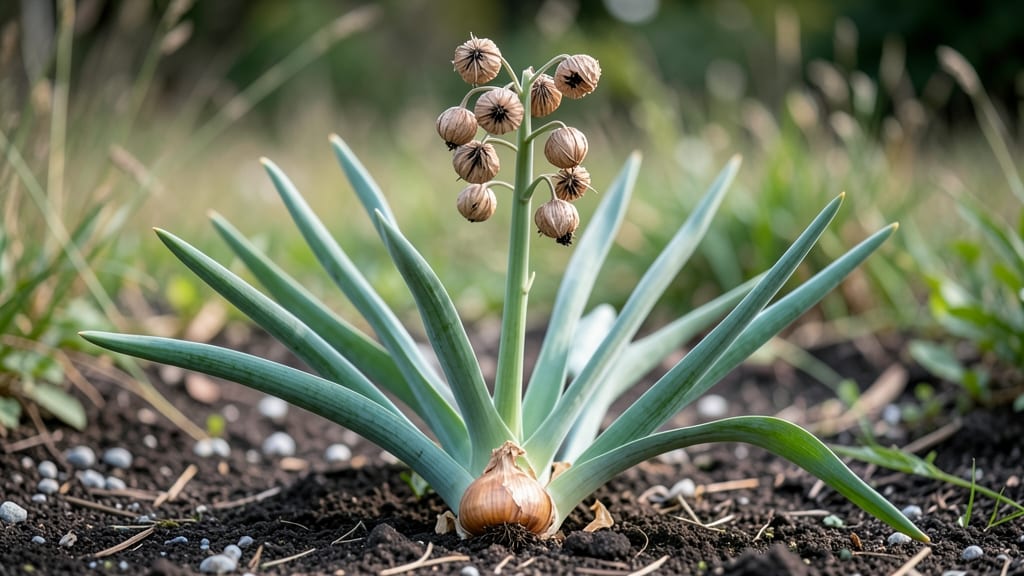
Harvesting onion seed pods turns your garden’s leftover blooms into next year’s fragrant harvest. 🌱 The dry-and-save method preserves genetic traits—size, flavor, and hardiness—so your onions stay true to type. Most home gardeners overlook this step, but it’s the secret to reliable, homegrown seed stock.
Start by identifying mature pods: they turn papery, split open slightly, and contain dark brown seeds inside. Once harvested, dry them in a cool, dark place for 2-3 weeks—too much heat or humidity ruins viability. Store in labeled envelopes where they’ll stay viable for 3-5 years.
This method works best for multiplier onions and perennial varieties like shallots, but common onions (like scallions) rarely produce viable seed. The payoff? Fresh, homegrown onions that thrive exactly like their parents—no store-bought substitutes needed.
Perfect for gardeners who want to save money, preserve heirloom traits, or grow onions tailored to their climate. Here’s how to do it right the first time.
📚 In This Guide
- What you need
- Instructions
- Tips and common mistakes
- Wrapping up and next steps
What you need
- ● Mature onion seed pods: Harvest when pods turn brown and dry (typically 60–90 days after flowering). Aim for at least 20–30 healthy pods per variety for reliable germination.
- ● Paper bags or brown lunch bags: 1–2 bags per variety (or a single large bag if storing multiple types). Use unbleached, breathable paper to prevent moisture buildup.
- ● Twine or rubber bands: To secure bag openings tightly.
- ● Permanent marker: For labeling bags with the onion variety and harvest date.
- ○ Optional: Silica gel packets (1–2 per bag) to absorb excess moisture if humidity is high.
- ● Clean, dry workspace: A well-ventilated area (like a garage or shed) with consistent temperatures (60–75°F) and low humidity.
- ● Scissors or pruners: For trimming pods from stems (sterilize blades with rubbing alcohol if reusing).
- ○ Air-tight containers (optional): For long-term storage (e.g., glass jars with desiccant or Mylar bags with oxygen absorbers).
- ● Patience: Seed pods need 4–6 weeks to fully dry before storage.
- ● Dry weather: Harvest pods on a sunny, dry day to minimize mold risk.
- ● Knowledge of varieties: Label pods by type (e.g., "Red Stripe," "Yellow Sweet Spanish") to avoid mixing seeds.
Step-by-step instructions for harvesting and saving onion seed pods
Here’s how to properly collect, dry, and store onion seed pods for reliable germination next season.
🌱 Step 1: Select and Harvest Mature Seed Pods
Choose healthy onion plants with fully mature seed pods—these appear as small, round, papery capsules that turn from green to tan or light brown. Harvest them when they’re dry to the touch but before they split open naturally. Use clean, sharp pruning shears to snip entire seed stalks or individual pods, leaving the plant intact for continued growth.
Work on a dry day to prevent moisture from accelerating spoilage. Collect pods in a breathable paper bag or open mesh container to allow airflow. If pods are still green, leave them on the plant for another 2–3 days—they’ll ripen faster in direct sunlight.
💧 Step 2: Dry Seed Pods Thoroughly
Spread the harvested pods in a single layer on a clean, dry surface like a wire mesh screen or cardboard tray. Place them in a warm, dry location with good airflow—65–75°F and low humidity are ideal. Avoid direct sunlight, which can overheat and damage the seeds inside.
Stir or gently shake the pods every 24 hours to prevent mold or uneven drying. They’re fully dry when the outer casing feels brittle and crumbles slightly when pressed. This process typically takes 7–14 days, depending on your climate and humidity levels.
✂️ Step 3: Extract and Store Seeds Properly
Once pods are completely dry, place them in a clean paper bag and gently crush them with your hands or a rolling pin to release the small, black seeds inside. Sift through the debris to isolate the seeds—discard any that appear shriveled or discolored. Store seeds in a sealed, airtight container like a glass jar or envelope.
Label the container with the onion variety and harvest date. Keep seeds in a cool, dark place (like a pantry or refrigerator) to maintain viability. Onion seeds remain viable for 2–3 years when stored properly, though germination rates decline over time.
☀️ Step 4: Test Germination Before Planting
Before using saved seeds, conduct a simple germination test to ensure viability. Moisten a paper towel, place 10 seeds in a single layer, and fold it to enclose them. Store the towel in a warm, dark place (around 70°F) and check for sprouts in 7–14 days. If fewer than 50% sprout, consider supplementing with fresh seeds for better results.
This test also helps you gauge planting timing—once you confirm viability, you’ll know exactly when to start seeds indoors or direct-sow in spring. Adjust your schedule based on your climate’s last frost date and the onion variety’s growth requirements.
Tips & tricks for perfectly preserved onion seed pods
A few key strategies will ensure your onion seed pods remain viable and ready for next season's garden. These insights come from years of trial and error in seed preservation.
Harvest Timing: The 2-3 day window for green pods is critical—wait too long, and they’ll split open naturally, scattering seeds prematurely. I’ve learned to check pods daily during late summer when they begin turning tan. Harvest in the morning after dew has evaporated to minimize moisture exposure, which can accelerate spoilage. If you’re unsure whether pods are ready, gently squeeze one: it should feel dry and papery but not brittle.
Drying Environment: Maintaining that 65-75°F range is non-negotiable for even drying. I’ve had best results using a dehumidifier in my drying area during humid seasons. The 24-hour stirring routine prevents mold—don’t skip this! I set a phone reminder to avoid forgetting. For extra protection against pests, place a fine mesh screen over your drying tray. The brittle test (outer casing should crumble slightly) is your final quality check before extraction.
Storage Conditions: Cool, dark places like pantries or refrigerators work, but I’ve found that refrigerator storage actually extends viability beyond the standard 2-3 years. The key is maintaining consistent low humidity—never store near onions or other produce that releases moisture. For variety tracking, I use small glass jars with removable labels rather than envelopes, which can degrade over time. This method has preserved my heirloom varieties perfectly for four seasons running.
Pro Tips for Onion Seed Pods
- A few key strategies will ensure your onion seed pods remain viable and ready for next season's garden.
- Harvest Timing: The 2-3 day window for green pods is critical—wait too long, and they’ll split open naturally, scattering seeds prematurely.
- Drying Environment: Maintaining that 65-75°F range is non-negotiable for even drying.
Frequently asked questions
Got questions about saving onion seed pods?
You’re not alone! Here are the most common queries—and straightforward answers—to help you master the dry-and-save method like a pro.
How do I know when onion seed pods are ready to harvest?
Wait until the pods turn paper-dry and crispy (usually 4–6 weeks after flowering). Gently twist or snip them off—they’re ready when seeds rattle inside. Harvest on a dry, sunny day to prevent mold.
How long can I store dried onion seed pods?
Store pods in a cool, dark, and dry place (like a sealed jar or envelope) for 1–2 years. Check for moisture or pests annually. If they feel damp or smell off, toss them—viability drops fast!
Can I save seed pods from store-bought onions?
Probably not! Most grocery-store onions are hybrids (bred for uniformity, not seed production). For reliable pods, grow open-pollinated varieties like ‘Red Wethersfield’ or ‘Yellow Sweet Spanish.’ Ask local nurseries for heirloom options!
What if my seed pods won’t open or stay closed?
This happens if pods dry too slowly or in humidity. Try spreading them on a mesh screen indoors for 1–2 weeks to speed up drying. Or, freeze them for 24 hours to shock them open—just thaw gently afterward!
Are there alternatives to saving seed pods?
Yes! If you miss the harvest window, buy fresh seeds from reputable suppliers (like Baker Creek Heirloom Seeds). For a shortcut, plant onion sets (small bulbs) instead—they’re foolproof and faster!
Wrapping up and next steps
Harvesting and drying onion seed pods is a rewarding way to ensure next year’s fragrant blooms while saving money and reducing waste! 🌱 With just a few simple steps—like selecting healthy pods, drying them properly, and storing them in a cool, dry place—you’ll have a fresh supply of seeds ready for planting. Now’s the perfect time to try it—your future garden (and wallet) will thank you!
Ready to get started? Grab those pods, follow the guide, and enjoy the satisfaction of growing your own onions from seed!