
Lawn
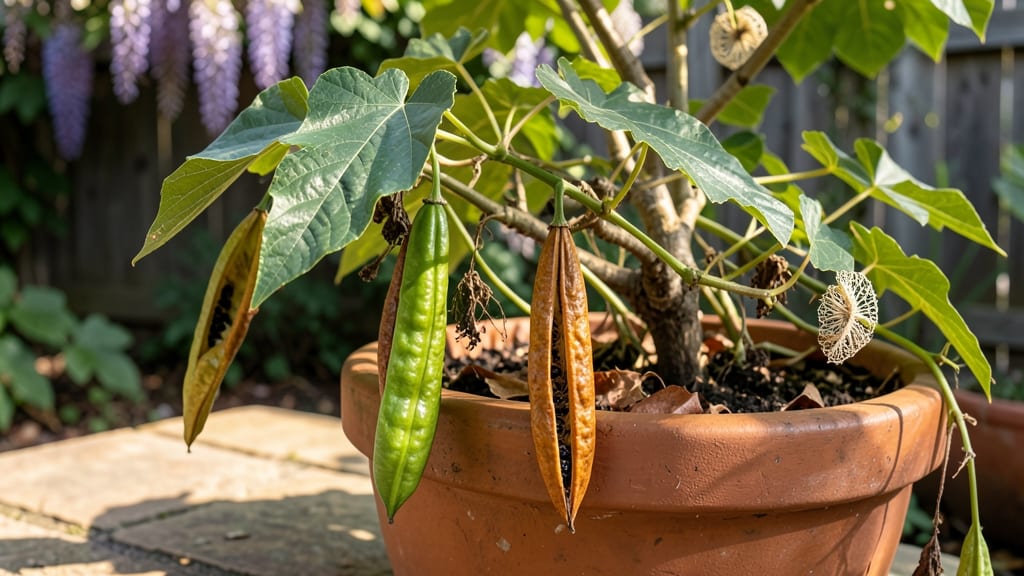
Twisting open passion vine seed pods reveals the secret to growing these dramatic climbers from scratch. 🌿 The trick isn't just collecting seeds—it's knowing when they're ready, how to test their viability, and creating the perfect conditions for germination that works year-round.
I learned the hard way that freshness matters: seeds from pods that split open naturally in summer germinate best, but with proper stratification, you can plant them anytime. The twist-test tells you everything—if the pod cracks with gentle pressure, those seeds are ready to plant within days.
You'll end up with vigorous seedlings that climb faster than expected, producing those signature tropical-looking flowers within a single season. The key is keeping soil consistently moist but never soggy, and giving them bright indirect light until they're strong enough for full sun.
Works for both indoor starts and outdoor plantings, though vines grow fastest when transplanted after the last frost. Here's how to do it right the first time!
📚 In This Guide
- What you need
- Instructions
- Tips and common mistakes
- Wrapping up and next steps
What you need
- ● Passion vine seed pods: 3–5 fresh, firm pods (harvested from a healthy vine; avoid overripe or moldy ones).
- ● Sharp scissors or pruning shears: For carefully opening pods without damaging seeds.
- ● Small containers or seed trays: 4–6 shallow containers (3–4 inches deep) with drainage holes, or biodegradable pots.
- ● Well-draining potting mix: 2–3 cups of a light, airy blend (50% peat moss or coconut coir + 50% perlite or vermiculite).
- ● Spray bottle: For gentle watering (avoid over-saturating seeds).
- ○ Plastic wrap or humidity dome: To create a mini greenhouse effect (optional but helpful for germination).
- ● Grow lights or sunny windowsill: A spot with 6–8 hours of indirect light daily (or a 12-hour grow light cycle).
- ● Labeling tags & marker: To track seed varieties and planting dates.
- ● Seed germination kit: Pre-moistened pads or a seed starter mat for hands-off sprouting.
- ● Fungicide (organic): Like neem oil spray to prevent damping-off disease.
- ● Heating mat: For faster germination (keep soil at 70–75°F if possible).
- ● Tweezers: For delicate seed handling if pods are stubborn.
- ● Journal or app: To log seed viability tests and growth progress.
How to test and germinate passion vine seed pods
Here's my foolproof method for checking seed viability and getting passion vines growing strong.
🌱 Step 1: Harvest and Dry the Seed Pods
Collect mature passion vine seed pods when they turn a deep, papery brown and begin splitting open naturally. The seeds inside should be fully formed and dark brown with a glossy sheen. I like to harvest them in late fall when the vines have gone dormant—they're easier to spot against the bare stems.
Spread the pods in a single layer on a screen or paper towel in a warm, dry place away from direct sunlight. Turn them every 2-3 days to ensure even drying. You'll know they're ready when the pods rattle when shaken and the seeds inside feel firm to the touch. This process takes about 2-3 weeks depending on your climate.
🔍 Step 2: Perform the Twist Test for Viability
Take each dried seed pod and hold it between your thumb and forefinger. Gently twist it—you should hear a distinct cracking or popping sound as the pod splits open. Healthy, viable seeds will release with a satisfying snap, while empty or non-viable seeds will either crumble or not separate at all.
Discard any pods that don't twist open easily or that produce seeds with soft, shriveled centers. I've found that about 60-70% of pods from healthy vines pass this test. Keep only the seeds that feel dense and heavy for their size—these are your best candidates for germination.
💧 Step 3: Soak Seeds to Break Dormancy
Fill a shallow dish with lukewarm water and add the viable seeds. Let them soak for 24-48 hours—this softens the tough seed coat and kickstarts the germination process. I like to use a clear container so I can watch for any seeds that float to the surface, which are usually non-viable and can be discarded.
After soaking, drain the water and spread the seeds on a damp paper towel. Fold the towel to cover them lightly and place it in a sealed plastic bag. Store the bag in a warm spot (70-75°F) for 3-5 days. Check daily—you'll see tiny white roots emerging from the seeds when they're ready for planting.
🌿 Step 4: Plant Pre-Sprouted Seeds
Fill small pots (2-3 inches deep) with a lightweight seed-starting mix. Make a small hole about ½ inch deep with your finger and gently place one pre-sprouted seed in each hole. Cover it with a thin layer of soil, just enough to hold the seed in place without burying it.
Water gently until the soil is moist but not soggy. Place the pots in a warm, bright location with indirect light—a south-facing window works well. Keep the soil consistently moist by misting it lightly every 2-3 days. You should see the first true leaves appear in about 2-3 weeks.
☀️ Step 5: Harden Off and Transplant
Once the seedlings have developed 2-3 sets of true leaves, it's time to harden them off. Start by placing the pots outside in a sheltered spot for 1-2 hours the first day, gradually increasing their time outdoors over 7-10 days. This helps them adjust to outdoor conditions and prevents shock when you transplant them.
Choose a spot with full sun to partial shade and well-draining soil. Plant the seedlings 12-18 inches apart to give them room to grow. Passion vines are vigorous climbers, so provide a trellis or sturdy support nearby. Water deeply after planting to help the roots settle in, and keep the soil moist for the first 2 weeks.
Tips & tricks for perfect passion vine germination
These little-known details will help you maximize your success rate with passion vine seeds.
Harvest Timing: Late fall is ideal for harvesting because the vines are dormant, making the pods easier to spot and collect. The pods should be fully brown and starting to split naturally—this indicates the seeds are mature and ready. If you harvest too early, the seeds won't be fully developed, and if you wait too long, they may scatter or dry out completely.
Drying Strategy: When drying your pods, avoid direct sunlight to prevent overheating, which can damage the seeds. A warm, dry spot with good air circulation works best. I like to place a small fan nearby to help speed up the process while keeping the temperature stable. The pods are ready when they rattle when shaken—this is your cue that the seeds inside are firm and ready for the twist test.
Viability Test: The twist test is your best friend here. A good seed pod should snap open with a distinct cracking sound, releasing seeds that feel dense and heavy. If a pod crumbles instead of snapping, it's a sign that the seeds inside are non-viable. I've found that about 60-70% of pods from healthy vines will pass this test, so don't be discouraged if you have some that don't make the cut.
Soaking Secrets: During the 24-48 hour soak, keep an eye out for any seeds that float to the surface—these are usually non-viable and can be discarded. After soaking, draining the water completely is crucial before placing the seeds on the damp paper towel. Any remaining water can cause the seeds to rot during the 3-5 day warm-up period. A clear container makes this process even easier, as you can watch for any seeds that don't sink.
Pro Tips for Passion Vine Seed Pods
- These little-known details will help you maximize your success rate with passion vine seeds.
- Harvest Timing: Late fall is ideal for harvesting because the vines are dormant, making the pods easier to spot and collect.
- Drying Strategy: When drying your pods, avoid direct sunlight to prevent overheating, which can damage the seeds.
Frequently asked questions
Got questions about growing passion vine seed pods? You’re not alone—these tropical beauties can be tricky! Here’s a quick guide to the most common curiosities, from timing to troubleshooting, so you can twist-test your way to success.
How do I know if my passion vine seed pods are still viable?
Twist-testing is key! Gently squeeze the pod—if it cracks or splits open, the seeds inside are likely still viable. Fresh pods should feel firm but yield slightly under pressure. Avoid pods that are mushy or moldy, as they’ve lost viability. Store dry, mature pods in a cool, dry place for up to 6 months if you’re not planting them immediately.
When is the best time to plant passion vine seed pods?
Passion vines thrive in warmth, so aim to plant seeds in early spring (after the last frost) or late summer. If you’re in a tropical climate, you can plant year-round! Start seeds indoors 8–10 weeks before the last frost for a head start. Pro tip: Soak seeds in warm water overnight to speed up germination.
Can I grow passion vine from pods in containers, or do they need a garden?
Passion vines adapt well to containers as long as the pot is at least 12–18 inches deep with drainage holes. Use a well-draining potting mix and provide a trellis or sturdy support for climbing. Just ensure the container gets full sun (6+ hours daily) and water consistently—containers dry out faster than garden beds.
Why aren’t my passion vine seeds germinating? Troubleshooting tips!
If your seeds aren’t sprouting, check these common issues:
- Temperature: Seeds need warmth (70–85°F). Use a heat mat if your home is cool.
- Moisture: Keep soil consistently damp (not soggy). Mist seeds lightly daily.
- Light: Seeds germinate best in indirect light; move seedlings to bright light after sprouting.
- Patience: Germination can take 2–4 weeks—don’t give up too soon!
If all else fails, try scarifying seeds (lightly nicking the outer shell) to help them break dormancy.
Are there alternatives to growing from seed pods?
Yes! If seed pods are hard to find or slow to germinate, consider:
- Cuttings: Propagate from healthy vines by taking 4–6 inch cuttings in spring or summer. Dip in rooting hormone for faster success.
- Transplants: Buy young passion vine plants from nurseries (look for Passiflora edulis or Passiflora caerulea varieties).
- Grafting: Advanced gardeners can graft passion vine onto hardier rootstock for disease resistance.
Each method has pros—seeds are the most rewarding but slowest, while cuttings offer faster results!
Wrapping up and next steps
Exploring the twist-tested viability of passion vine seed pods unlocks a world of year-round gardening possibilities—no fancy equipment or guesswork required! Whether you're a seasoned gardener or just starting, these resilient seeds offer a rewarding challenge with big payoffs. 🌱
Ready to dive in? Start by gathering your seeds, testing their twist-tested readiness, and planting them in well-prepared soil. The next step? Share your success—or even your struggles—with fellow green thumbs! Join gardening forums, tag us in your photos, or experiment with new varieties.
Every twist of the seed pod is a step toward a thriving garden. Let’s grow something amazing together! ✨