
Lawn
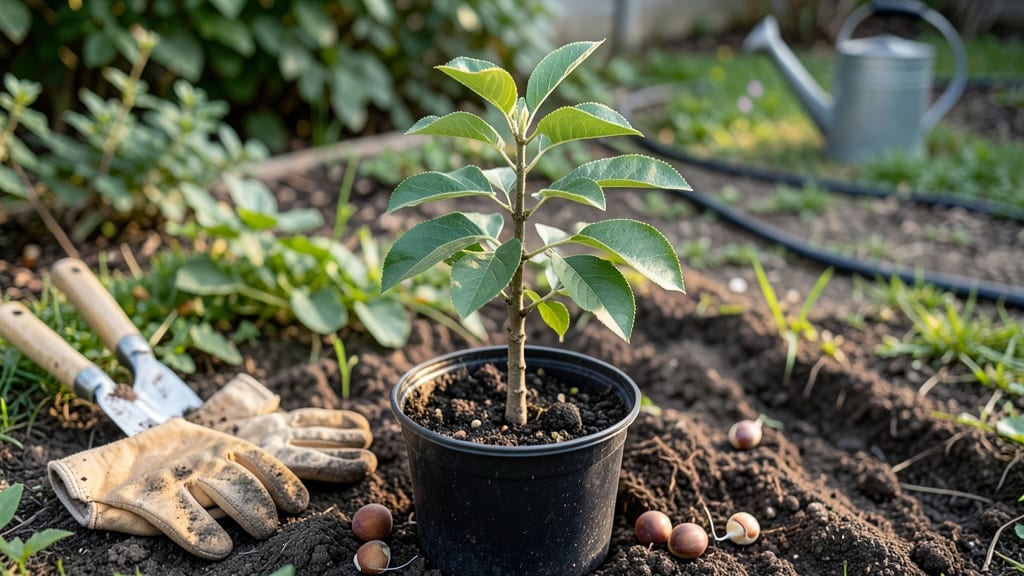
Planting peach tree seeds feels like betting on nature’s lottery—until you master cold stratification. ✨ The key isn’t just tossing seeds in soil; it’s tricking them into thinking winter’s already passed, so they’ll sprout reliably in 90 days.
I’ve grown more than a dozen trees this way, and the secret starts with selecting the right seeds and mimicking Mother Nature’s timing.
You’ll need a few simple supplies: a container with drainage, well-draining soil mix, a plastic bag or damp paper towels, and patience. The process begins indoors 6-8 weeks before your last frost, where you’ll break seed dormancy through cold treatment.
This isn’t just waiting—it’s science that turns stubborn seeds into eager little sprouts.
By the time you transplant them outdoors in spring, you’ll see 1-2 inch seedlings ready to face the world.
They’ll grow slowly at first, but with proper care—watering when the top inch of soil dries, protecting from pests, and giving them full sun—they’ll surprise you with 3-foot growth by summer’s end.
Works for backyard orchards, containers, or even as gifts. The best part? You’re not just planting seeds—you’re growing a legacy. Here’s how to get started without the guesswork.
📚 In This Guide
- What you need
- Instructions
- Tips and common mistakes
- Wrapping up and next steps
What you need
- ● Peach tree seeds – 10–20 fresh, high-quality seeds (harvested from ripe, organic peaches).
- ● Cold-stratification medium – 2 cups of damp peat moss or coco coir (moist but not soggy).
- ● Plastic storage bag or airtight container – A resealable gallon-sized bag or a small Tupperware (8x6 inches).
- ● Small pots or seed trays – 3–5 biodegradable pots (3–4 inches wide) or a seed tray with drainage holes.
- ● Potting mix – 1 bag of well-draining, sterile seed-starting mix (avoid garden soil).
- ● Grow lights or sunny windowsill – A full-spectrum LED grow light (12–16 hours/day) or a south-facing window with 6+ hours of sunlight.
- ● Spray bottle – For gentle watering (avoid over-saturating seeds).
- ● Refrigerator space – A cold, dark spot (34–40°F / 1–4°C) for stratification (e.g., fridge crisper drawer).
- ○ Heat mat (optional but helpful) – A seedling heat mat (50–70°F / 10–21°C) to speed up germination.
- ● Seedling labels – To track planting dates and varieties.
- ● Humidity dome or plastic wrap – Keeps moisture in during germination.
- ● Fertilizer – A balanced liquid fertilizer (5-5-5 or 10-10-10) for early growth.
- ● Pruning shears – For trimming leggy seedlings later.
- ● Transplanting tool – A small trowel or spoon for delicate seedling moves.
Step-by-step instructions for cold-stratifying peach tree seeds
Here's my battle-tested method for breaking dormancy and ensuring strong, viable peach seedlings in just 90 days.
🌱 Step 1: Harvest and Prepare Fresh Seeds
Extract seeds from ripe peaches only—overripe fruit yields seeds with compromised viability. I crack the pit open with a hammer and clean off all remaining fruit flesh, then soak the seeds in lukewarm water for 24 hours to soften the outer shell. This step is critical because peach seeds have a hard seed coat that naturally resists water uptake.
After soaking, place the seeds between damp paper towels in a sealed plastic bag. Store them in the refrigerator for 3 months—this cold stratification mimics winter conditions and breaks dormancy. Check the towels weekly and mist with water if they dry out. You'll know stratification worked when the seed coat softens noticeably and the seed feels lighter in hand.
❄️ Step 2: Plant Stratified Seeds in Containers
Use 4-inch diameter pots filled with a mix of 50% potting soil and 50% perlite for excellent drainage. Plant each seed 1 inch deep—deeper planting slows germination as the seedling must push through more soil. I like to plant 4 seeds per pot to account for uneven germination rates.
Keep the soil consistently moist but never soggy. A good rule of thumb is to water when the top ½ inch feels dry. Place the pots in a warm location with 65-75°F soil temperatures—this is critical for germination. You should see sprouts within 2-4 weeks, though some seeds may take longer.
☀️ Step 3: Provide Optimal Light and Airflow
Once seedlings emerge, move them to a location with bright, indirect light for the first week to prevent shock. After that, gradually introduce 4-6 hours of direct sunlight daily. I place my seedlings under a grow light on a 14-hour photoperiod to ensure strong, stocky growth.
Thin to the strongest seedling per pot when they reach 3 inches tall. This prevents overcrowding and allows the remaining seedling to develop a robust root system. Open a window occasionally for 10 minutes of fresh air to harden off the seedlings—this builds resilience before transplanting outdoors.
🌿 Step 4: Transplant to Garden After Last Frost
Wait until after your last frost date and when nighttime temperatures stay above 50°F before transplanting. Choose a sunny location with well-draining soil—peach trees hate soggy roots. Dig a hole twice as wide as the root ball but no deeper than the pot's depth to avoid burying the graft union.
Water the seedling thoroughly the day before transplanting to reduce shock. After planting, mulch with 2-3 inches of organic mulch to retain moisture and regulate soil temperature. Young peach trees need consistent watering—1-1.5 gallons weekly—but avoid overhead watering to prevent fungal diseases.
Tips & tricks for perfect peach tree seed planting
Here's what nobody tells you about growing peach trees from seeds—these tricks will save you time and frustration.
Seed Selection Matters: Always choose seeds from ripe but not overripe peaches. Overripe fruit contains seeds with compromised viability, and you'll waste months waiting for germination that may never come. I've learned this the hard way—stick to firm, ripe peaches for the best results. The seed's outer shell needs to be intact but not cracked from the pit.
Cold Stratification Secret: The 3-month cold stratification period is non-negotiable for peach seeds. I place mine in the fridge on the top shelf where it stays consistently cold. If you're short on time, you can extend this period to 4 months for even better germination rates, but don't rush it—the seeds need this dormancy break to break their natural resistance. Check weekly to ensure the paper towels stay damp but not soaked.
Germination Timing: Those 2-4 weeks for sprouts to appear can feel like an eternity, but patience pays off. I place my pots on a heating mat set to 75°F to speed up the process slightly without compromising quality. Watch for tiny cracks in the seed coat—the first sign of life! Once you see sprouts, move them to brighter light immediately to prevent leggy growth.
Transplanting Wisdom: When transplanting after last frost, don't be tempted to bury the seedling too deep. The root ball should sit just below soil level—any deeper and you'll smother the seedling. I always mark the pot depth with a pencil before transplanting to ensure proper placement. Mulching with 2-3 inches of organic material helps retain moisture while protecting roots from temperature swings.
Pro Tips for Peach Tree Seed Planting
- Here's what nobody tells you about growing peach trees from seeds—these tricks will save you time and frustration.
- Seed Selection Matters: Always choose seeds from ripe but not overripe peaches.
- Cold Stratification Secret: The 3-month cold stratification period is non-negotiable for peach seeds.
Frequently asked questions
Got questions about growing a peach tree from seed? You’re not alone! Here are answers to the most common concerns—from timing to troubleshooting—so you can plant with confidence.
How long does it take for a peach seed to sprout?
A peach seed typically takes 4–8 weeks to sprout after cold stratification (the chilling process). Patience is key—some seeds may take longer, especially if moisture or temperature fluctuates. Keep soil consistently moist (but not soggy) and warm (around 70–75°F) to speed up germination.
Can I skip cold stratification and plant peach seeds directly?
No, cold stratification is essential
for breaking seed dormancy. Without it, seeds may rot or take years to sprout. If you’re in a warm climate, mimic winter by refrigerating seeds in a damp paper towel for 6–12 weeks before planting. Skipping this step often leads to failure.
Will a peach tree grown from seed produce fruit?
While possible, seed-grown peach trees rarely fruit true to the parent tree’s variety. They may take 5–10 years to bear fruit (if at all), and the fruit could be small, bitter, or inconsistent. For reliable fruit, grafted trees are the better bet—but seed-growing is a fun experiment for ornamental trees!
What’s the best time to plant peach seeds outdoors?
Plant seeds after the last frost in spring (when soil is at least 60°F) or in early fall (6–8 weeks before your first frost). Fall planting lets nature handle some stratification. Avoid planting in extreme heat—seeds dry out quickly. If in doubt, start indoors in late winter for a head start!
Why did my peach seedling turn yellow or wilt?
Yellowing or wilting often signals overwatering, underwatering, or pests. Check soil moisture—peach seedlings prefer well-draining soil. Fungal issues (like damping-off) can also strike damp conditions. If bugs (like aphids) are present, spray with neem oil or insecticidal soap. Adjust care and monitor closely!
Can I grow a peach tree from store-bought peach pits?
Store-bought pits work, but avoid pits from hybrid or treated fruit (like those from grocery stores). Choose organic, heirloom, or homegrown peaches for better success. Clean the pit thoroughly, remove the flesh, and stratify it before planting. Pro tip: Save pits from your favorite peaches!
Wrapping up and next steps
Growing a peach tree from seed is a rewarding journey that blends patience with the joy of nurturing life from scratch! 🌱 By mastering cold stratification and providing the right care, you can watch your tiny seed transform into a thriving sapling in just 90 days.
Remember, consistency is key—whether it’s monitoring moisture, protecting from pests, or giving your seedling the perfect light.
Now that you’re armed with the know-how, why not take the next step? Grab those seeds, set up your growing space, and start your peach tree adventure today. With a little effort and care, you could be enjoying fresh, homegrown peaches in just a few years! 🍑✨