
Lawn
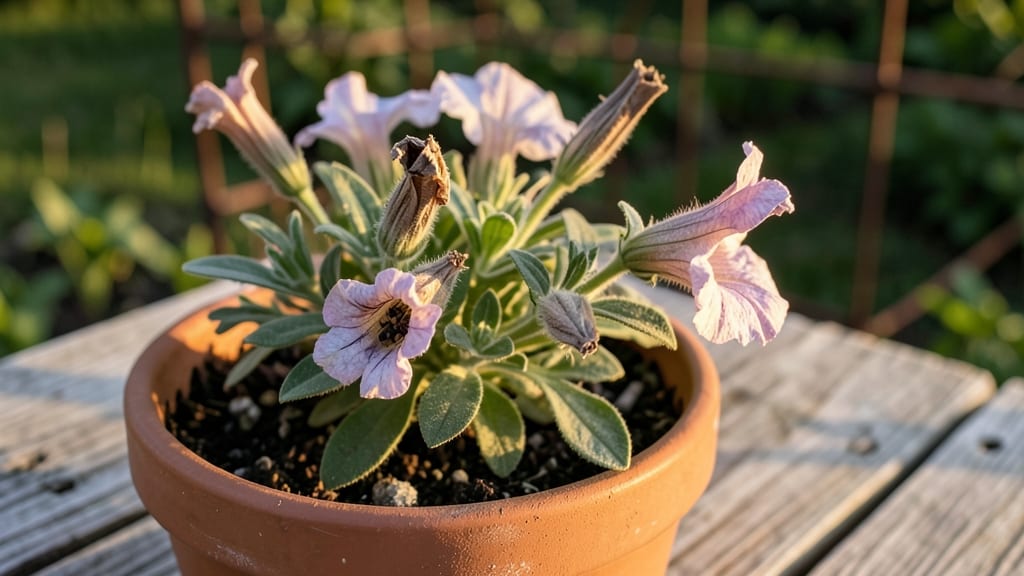
Those papery brown petunia seed pods image are petunias' secret to next year's blooms—don't toss them! 🌱 I used to throw them away until I learned how to harvest and dry them for free plants.
The pods form after flowers fade, swelling into round, leathery cases that split open when ripe.
Look for pods that turn from green to tan or brown and start cracking—this means seeds are ready. A single pod can hold hundreds of tiny seeds, so collect them before they scatter. Gently squeeze open dried pods over a paper bag or envelope to catch the seeds.
Spread seeds on a dry paper towel in a warm, dry spot for 1-2 weeks until completely dry. Store them in an envelope with the variety name and date. Next spring, you'll have blooms without buying new plants—just scatter seeds on soil and water lightly.
Pro tip: Label pods if growing multiple varieties, as petunia seeds can cross-pollinate. Start drying in late fall before frost kills pods. This method saves money and lets you grow heirloom types unavailable in stores.
📚 In This Guide
- What you need
- Instructions
- Tips and common mistakes
- Wrapping up and next steps
What you need
- ● Mature petunia seed pods: Harvest when they turn brown and papery (about 6-8 weeks after flowering). Aim for 10-20 pods per variety for a good seed yield.
- ● Scissors or pruning shears: Sharp, clean tools to snip pods from the stem without damaging them. A bypass pruner is ideal.
- ● Paper bags or brown paper lunch bags: Use 1-2 bags per variety (label them!). Poke small holes in the bottom for airflow.
- ● Drying location: A cool, dry, and well-ventilated spot (e.g., a garage, shed, or indoor shelf away from direct sunlight). Avoid humidity!
- ● Small envelopes or seed packets: 1-2 per variety for storage. Label with the petunia type and date.
- ● Pencil or marker: For labeling bags and envelopes.
- ● Silica gel packets: Place 1-2 in the drying bag to absorb excess moisture (great for humid climates).
- ● Desiccant bags: Store seeds in these after drying to keep them bone-dry.
- ● Magnifying glass: Useful for inspecting pods for pests or mold before drying.
- ● Humidity monitor: If drying indoors, keep humidity below 40% for best results.
- ● Seed catalog or notebook: Track varieties, drying dates, and germination notes for future reference.
Step-by-Step instructions for harvesting and drying petunia seed pods
Here's how I collect and preserve petunia seeds for next season—no fancy tools needed.
🌿 Step 1: Identify and Harvest Mature Seed Pods
Wait until the petunia blooms fade and develop brown, papery seed pods that feel dry to the touch. These pods are ready when they split open naturally or when you can gently squeeze them and hear seeds rattle inside. I harvest on a dry morning after the dew has evaporated to prevent moisture from sticking to the seeds.
Use clean, sharp scissors to snip the pods from the stem. Place them in a paper bag (not plastic) to allow airflow. If pods haven't opened on their own, leave them in a warm, dry spot for a few more days—they'll release seeds when fully mature. Don't rush this step; immature seeds won't germinate.
☀️ Step 2: Dry the Seed Pods Thoroughly
Spread the harvested pods on a clean, dry surface in a single layer. I use an old window screen or a piece of cardboard with holes punched in it to allow airflow from underneath. Place this setup in a warm, dry spot with indirect light—direct sun can overheat the pods and damage the seeds inside.
Check daily for 3-5 days until the pods are completely dry and crispy. You'll know they're ready when they crumble easily between your fingers. If you notice any mold or dampness, spread them out again immediately. Proper drying prevents seed rot and ensures viability for next season.
✂️ Step 3: Extract and Store the Seeds
Once fully dry, open the pods carefully by squeezing them between your fingers or gently crushing them with a clean mortar and pestle. Empty the contents into a small bowl and separate the seeds from the chaff. Petunia seeds are tiny and dark, so I use a fine-mesh sieve to sift out any debris.
Store the seeds in a small envelope or airtight container with a silica gel packet to absorb moisture. Label it with the petunia variety and the date—seeds stay viable for 2-3 years if kept in a cool, dry place. I keep mine in the fridge for extra freshness, but a dark pantry works fine too.
🌱 Step 4: Test Germination Before Planting Next Year
Before sowing, test a few seeds to ensure they're still viable. Moisten a paper towel, place 5-10 seeds in the center, and fold it over. Seal the towel in a plastic bag and store it in a warm spot (70-75°F). Check daily—you should see sprouts in 7-14 days. If germination is slow or poor, try storing seeds in the fridge for another month to break dormancy.
If the seeds sprout well, you're ready to plant. If not, it might be time to order fresh seeds or try a different drying method. I've found that petunias from seed pods often produce slightly different colors or patterns than the parent plant—so consider it a fun surprise!
Tips & tricks for perfect petunia seed pod preservation
These simple tricks will help you save seeds that stay viable and ready for next season's garden.
Harvesting Timing: I can't stress enough how important it is to wait until the seed pods are completely dry and brown before harvesting. If you pick them too early, the seeds won't have fully developed, and they won't germinate properly. Look for pods that split open naturally or make a rattling sound when squeezed—this is your cue they're ready. Harvesting on a dry morning prevents moisture from sticking to the seeds and ensures a cleaner collection process.
Drying Surface Strategy: For the 3-5 days of drying in Step 2, choose a surface that allows maximum airflow—like an old window screen or cardboard with holes. I've found that spreading pods on newspaper can trap too much moisture underneath. Place your drying setup in a warm spot with indirect light to prevent overheating, which can damage delicate seeds. A sunny windowsill works great, but avoid direct sunlight that could bake the pods too quickly.
Seed Extraction Technique: When it's time to extract seeds in Step 3, use a clean mortar and pestle or even a rolling pin to gently crush the pods. This prevents seed damage that can happen with sharp tools. After emptying the contents into a bowl, I recommend using a fine-mesh sieve to separate seeds from chaff—it makes the process much cleaner and more efficient. You'll be surprised how much debris comes out when you take this extra step!
Storage Wisdom: The 2-3 year viability period mentioned in Step 3 only applies if you store seeds properly. I keep mine in small envelopes with silica gel packets in the fridge for maximum freshness. Labeling with the variety and date is crucial—petunia seeds from different plants can produce very different flowers next season! For extra protection, you can also add a tiny bit of powdered milk to your storage container, which acts as a natural preservative.
Pro Tips for Petunia Seed Pods Image
- These simple tricks will help you save seeds that stay viable and ready for next season's garden.
- Harvesting Timing: I can't stress enough how important it is to wait until the seed pods are completely dry and brown before harvesting.
- Drying Surface Strategy: For the 3-5 days of drying in Step 2, choose a surface that allows maximum airflow—like an old window screen or cardboard with holes.
Frequently asked questions
Got questions about harvesting and saving petunia seed pods?
You’re not alone! Here are answers to the most common queries—from timing to troubleshooting—to help you secure next year’s vibrant blooms with ease.
When should I collect petunia seed pods?
Harvest seed pods after they’ve turned brown and dried on the plant (usually 4–6 weeks post-bloom). If you pick them too early, the seeds won’t mature. Wait until pods split open naturally—this signals readiness! Pro tip: Collect pods on a dry day to avoid mold.
How long do dried petunia seed pods last?
Once fully dried, store pods in a paper envelope (not plastic!) in a cool, dark place. They’ll stay viable for 1–2 years if kept dry. Label them with the variety and date—some heirloom petunias may lose vigor after 1 year.
What if my seed pods stay green or rot?
Green pods mean seeds aren’t ripe yet—wait longer! Rot? Overwatering or humidity is likely culprit. Move plants to a dry, shaded spot and let pods air-dry indoors. If pods mold, discard them and try again next season. Fun fact: Some petunias (like Petunia × atkinsiana) produce fewer pods—focus on healthy blooms!
Can I save seeds from hybrid petunias?
Probably not! Many hybrids (like ‘Mitchell’ or ‘Wave’) won’t true to type—you might get wild, unpredictable flowers. Stick to heirloom or open-pollinated varieties (check seed packets!). For hybrids, buy fresh seeds yearly or ask nurseries for guaranteed varieties.
How do I take good photos of seed pods for reference?
Use natural light and a macro setting on your camera (or phone) to capture pod details. Place pods on a textured surface (like bark or fabric) for contrast. Snap images before and after drying to track progress. Bonus: Add a ruler for scale—helpful when comparing pods!
What’s the best way to store seeds after drying?
Once pods are crispy and seeds rattle inside, crack them open and let seeds air-dry for 24 hours. Store in a sealed envelope with a silica gel packet (or rice) to absorb moisture. Keep in the fridge for longer shelf life. Warning: Avoid freezer storage—condensation ruins seeds!
Wrapping up and next steps
Now that you’ve mastered the art of drying petunia seed pods, you’re one step closer to a garden bursting with vibrant blooms next season! 🌸 With just a few simple tools and patience, you’ve turned last year’s spent flowers into a treasure trove of seeds. Your green thumb is growing stronger every day—keep it up!
Ready to put your new skills to work? Start by labeling those seed packets and planning where your petunias will shine brightest. Happy gardening—and may your future blooms be as stunning as your efforts! 🌱