
Lawn
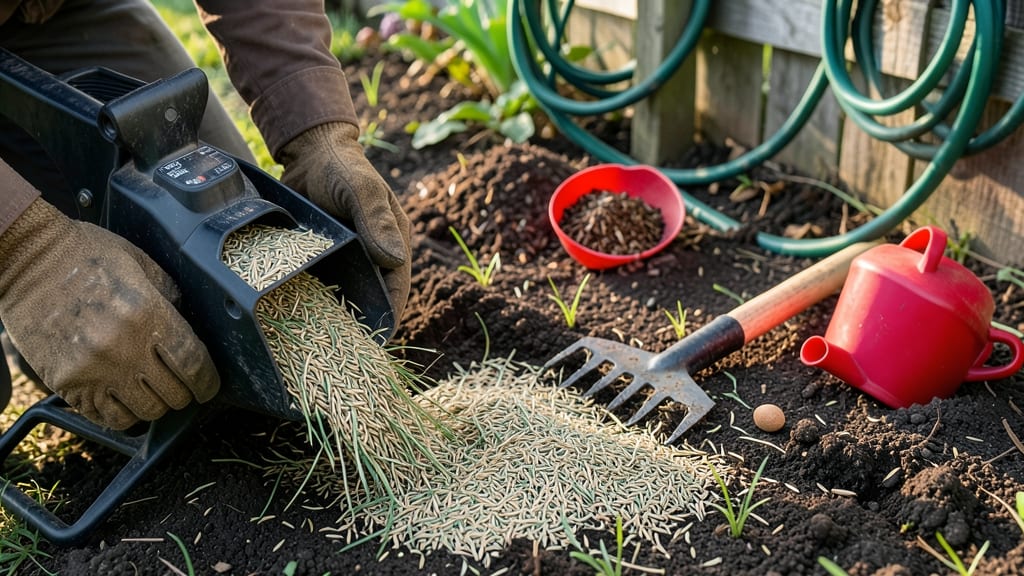
Autumn is the secret weapon for growing grass seed—cooler temps and gentle rains create the perfect conditions for thick, lush lawns. 🌱 I’ve seen bare patches transform into vibrant green carpets by spring when planted this season, and it’s not just luck.
The key lies in how autumn’s mild weather helps roots establish deep before winter, while weeds stay dormant and competition fades away.
You’ll need the right grass seed variety for your climate zone, a rake to prep the soil, and a consistent watering plan—but no fancy tools.
Most cool-season grasses like tall fescue or Kentucky bluegrass thrive when planted between late summer and early fall, giving them time to grow before the ground freezes. The payoff? A lawn that outlasts summer heat and resists weeds better than spring plantings.
Start with a clean, aerated soil bed and sow seeds evenly, then keep the area moist for the first two weeks. You’ll notice sprouts in about 7-14 days, and by winter, those roots will be strong enough to handle frost.
The result? A lawn that greens up faster in spring and stays thick all season long—no more patchy, weak spots.
Works in most climates, though southern regions should plant earlier in fall to avoid winter rains. Northern gardeners can extend the window until Thanksgiving. The trick is timing: plant when daytime temps hit the 60s and nights dip into the 40s. That’s when grass seed truly shines.
📚 In This Guide
- What you need
- Instructions
- Tips and common mistakes
- Wrapping up and next steps
What you need
- ● Grass seed: Choose a cool-season variety (e.g., Kentucky Bluegrass, Fescue, or Ryegrass) suited to your climate. Aim for 5–10 lbs per 500 sq ft (check seed bag for exact rates).
- ● Lawn soil tester kit: Ensures your soil’s pH (ideal: 6.0–7.0) and nutrient levels are optimal.
- ● Lime or sulfur: Adjusts pH if needed (10–20 lbs per 1,000 sq ft, based on test results).
- ● Fertilizer: A low-nitrogen, high-phosphorus blend (e.g., 10-20-10) to promote root growth (½ lb per 100 sq ft).
- ● Rake (bow or leaf rake): For loosening soil and removing debris (12–18" width, sturdy tines).
- ● Garden hose with spray nozzle: For even watering (adjustable 0.1–0.2 GPM for precision).
- ● Broadcast spreader: Ensures even seed distribution (manual or drop-type, 10–20 lb capacity).
- ● Straw or mulch: Lightweight (¼"–½" thick) to protect seeds from birds/wind (1–2 lbs per 100 sq ft).
- ● Soil aerator: Core aeration (3–4" deep) improves seed-to-soil contact for compacted lawns.
- ● Pre-emergent herbicide: Apply 4–6 weeks before seeding to prevent weeds (e.g., corn gluten meal).
- ● Lawn roller (lightweight): Presses seed into soil (50–100 lbs for small areas).
- ● Seed germination blanket: Biodegradable fabric to retain moisture in dry climates.
- ● Gloves & knee pads: Because comfort (and clean hands) matter! 😉
Step-by-Step instructions for planting grass seed in autumn
Autumn’s mild temperatures and frequent rains create perfect conditions for grass seed to establish deep roots.
🌱 Step 1: Prepare the Soil for Optimal Germination
Start by mowing your lawn as short as possible—this gives new seedlings room to grow without competing with tall grass. Remove any debris, including leaves and thatch, using a rake or dethatcher. You want bare soil for the seed to make direct contact. Test the soil pH with a kit; most grasses thrive in a range of 6.0 to 7.0. If your soil is too acidic, apply lime according to the test results.
Loosen the top 2 to 3 inches of soil with a garden rake or aerator. This helps roots penetrate deeper and improves water absorption. If your lawn is compacted, consider renting a core aerator for best results. Work the soil until it’s crumbly and free of clumps—this ensures even seed-to-soil contact, which is critical for germination.
💧 Step 2: Choose the Right Seed and Spread Evenly
Select a grass seed blend suited to your climate and sunlight exposure. Cool-season grasses like Kentucky bluegrass, fescue, and ryegrass are ideal for autumn planting. Spread half the seed in one direction, then the remaining half perpendicular to the first pass. This creates an even, overlapping layer without gaps. For a 4,000-square-foot lawn, you’ll typically need about 8 to 12 pounds of seed.
Use a broadcast spreader for large areas or a hand-held spreader for smaller sections. Lightly rake the seed into the soil with a stiff-bristled rake, covering it with just ¼ inch of soil or compost. This protects seeds from birds and ensures they stay moist. Avoid burying them too deeply—they need light to germinate.
☀️ Step 3: Water Gently and Consistently
Water the seeded area immediately after planting to settle the seed into the soil. Keep the top 1 to 2 inches of soil consistently moist for the first 2 to 3 weeks. Use a sprinkler or gentle hose setting to avoid dislodging the seed. Watering in the early morning prevents evaporation and reduces fungal risks. You’ll know you’re doing it right when the soil feels damp but not soggy.
Once the grass reaches 2 to 3 inches tall, gradually reduce watering to encourage deeper root growth. Avoid walking on the new grass until it’s firmly established—this usually takes about 4 to 6 weeks. If rain provides sufficient moisture, you can skip watering entirely, but check the soil daily to ensure it doesn’t dry out.
✂️ Step 4: Maintain and Protect New Growth
Wait until the new grass reaches 3 to 4 inches tall before your first mow. Set your mower blade to 3 inches to encourage strong root development. Never remove more than one-third of the grass blade at a time—this prevents stress and promotes healthy growth. Avoid fertilizing for at least 6 to 8 weeks after planting, as new roots are sensitive to nutrients.
Keep an eye out for weeds, which can compete with young grass. Hand-pull any that appear, but avoid herbicides until the lawn is fully established. If birds or animals disturb the seeded area, cover it with a lightweight mesh or netting until germination is complete. Patience is key—your lawn will reward you with thick, lush coverage by spring.
Tips & tricks for perfect autumn grass seed planting
Autumn planting gives you the best shot at a lush lawn—here’s how to make sure your new grass thrives from the start.
Soil Prep is Everything: In Step 1, don’t just loosen the top 2-3 inches—focus on breaking up any compacted layers beneath. I’ve seen lawns fail when roots couldn’t penetrate past hardpan. Use a garden fork to probe deeper if your soil feels dense. This extra effort pays off when roots establish properly.
Seed Spread Precision: When you’re spreading that 8-12 pounds of seed in Step 2, walk in a consistent pattern—overlapping slightly with each pass. I learned this the hard way by missing spots in my first attempt! Marking your lawn in 5-foot squares with spray paint helps visualize coverage. The perpendicular second pass ensures no gaps, especially in high-traffic areas.
Watering Wisdom: Those first 2-3 weeks of keeping the top 1-2 inches moist are critical. I set a timer for my sprinkler to run for 10 minutes every morning at 6 AM—just enough to dampen without puddling. A soil moisture meter helps avoid overwatering, which can suffocate seeds. If rain covers your watering schedule, check soil moisture daily to adjust.
Weed Prevention: In Step 4, hand-pull weeds as soon as they appear—don’t wait until they’re tall. I use a small hand trowel to dig them out with roots intact, which prevents regrowth. A pre-emergent herbicide can be applied after germination (but wait until grass is 3 inches tall), though I prefer natural methods like corn gluten meal for organic lawns.
Pro Tips for Planting Grass Seed In Autumn
- Autumn planting gives you the best shot at a lush lawn—here’s how to make sure your new grass thrives from the start.
- Soil Prep is Everything: In Step 1, don’t just loosen the top 2-3 inches—focus on breaking up any compacted layers beneath.
- Seed Spread Precision: When you’re spreading that 8-12 pounds of seed in Step 2, walk in a consistent pattern—overlapping slightly with each pass.
Frequently asked questions
Got questions about autumn grass seeding? You’re not alone! Here are answers to the most common concerns to help you nail your project like a pro.
What’s the best time to plant grass seed in autumn?
For most regions, aim for late summer to early fall—typically 4–6 weeks before your first hard frost. This gives seeds time to germinate and establish roots before winter. Check your local frost dates for precision!
How long does it take for grass seed to grow in autumn?
Germination usually takes 7–21 days, depending on temperature and seed type. Cool-season grasses (like fescue or ryegrass) thrive in autumn’s mild weather, while warm-season grasses (like Bermuda) may struggle. Patience pays off—thin spots fill in faster than you think!
How often should I water grass seed in autumn?
Keep soil consistently moist (not soggy!) for the first 2–3 weeks. Water lightly 2x daily (morning/evening) to encourage germination. Once sprouted, reduce to 1 inch per week. A sprinkler with gentle mist works best.
Can I overseed an existing lawn in autumn?
Autumn is perfect for overseeding. Mow your lawn short, dethatch if needed, and rake to loosen soil. Spread seed evenly, then water as directed. Thin or patchy areas will thicken up beautifully by spring.
What if weeds or pests show up after planting?
Don’t panic! Weeds are common—hand-pull them early. For pests (like grubs or birds), use organic deterrents (e.g., diatomaceous earth) or pre-emergent herbicides after germination. A healthy lawn crowds out invaders naturally over time.
Will frost or early snow harm new grass seed?
New seedlings can handle light frost, but heavy snow or prolonged cold may delay growth. If frost is forecast, cover seeds with straw or a breathable tarp until temperatures rise. Most grass recovers once spring arrives!
Still stumped? Drop your question in the comments—we’ve got you covered!
Wrapping up and next steps
Autumn is your secret weapon for growing a thick, vibrant lawn—cool temperatures and reduced weeds make it the perfect time to plant grass seed.
By following the right steps—preparing the soil, choosing the best seed blend, and keeping it consistently moist—you’ll set your lawn up for success. Don’t wait until spring; take action now to enjoy a lush, green space next year!
Ready to transform your yard? Grab your supplies, mark your calendar, and start planting this weekend. Your future lawn will thank you! 🌱💚