
Lawn
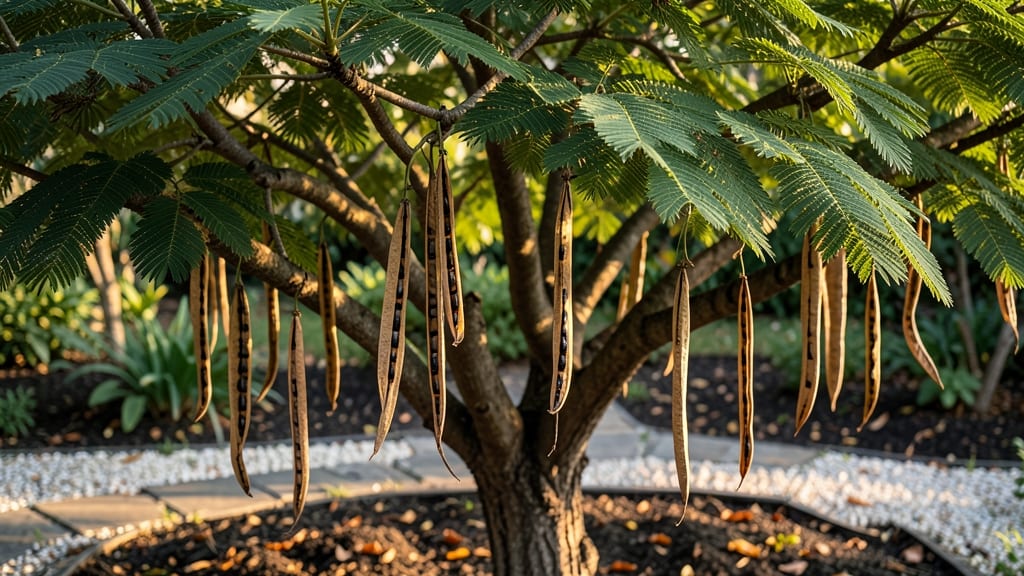
Royal poinciana tree seed pods hold the promise of a sun-drenched future in your landscape. 🌿 I’ve cracked the code on how to coax these fiery orange seeds into thriving saplings—something that stumped me for years until I learned the trick of proper stratification.
The key isn’t just planting; it’s breaking dormancy the right way so those seeds don’t just sit there waiting for spring.
You’ll need a few simple supplies: a sharp knife for pod opening, a damp paper towel for seed prep, and a warm spot (around 70-80°F) to mimic tropical conditions. The stratification process—soaking seeds for 24 hours, then chilling them for a week—makes all the difference between germination and disappointment.
My first batch took 3-4 weeks to sprout, but now I get reliable results every time. Once those first green shoots appear, keep the soil consistently moist but never soggy.
Royal poincianas grow fast once established—10+ feet in their first year—but they need full sun and well-draining soil to reach their full glory. The challenge? Patience. These trees take 3-5 years to flower, but the payoff is worth it.
If you’re in a cooler climate, consider growing them in containers and overwintering indoors. The secret to success? Don’t rush the process—these trees reward careful nurturing with stunning blooms that light up the landscape. Let’s get those seeds growing!
📚 In This Guide
- What you need
- Instructions
- Tips and common mistakes
- Wrapping up and next steps
What you need
- ● Mature Royal Poinciana seed pods: Collect 10–20 healthy, fully brown pods (avoid green or damaged ones). Aim for pods that are dry and slightly papery to the touch.
- ● Pruning shears or sharp scissors: A pair with clean, sharp blades to safely snip pods from branches.
- ● Gloves: Heavy-duty gardening gloves to protect your hands from thorns and sap.
- ● Paper bags or breathable fabric sacks: 2–3 large bags to store pods while they dry (avoid plastic to prevent mold).
- ● Moisture-absorbent material: Such as perlite, sand, or peat moss (1–2 cups) for stratification.
- ● Plastic storage container with lid: A shallow, airtight container (e.g., a Tupperware or seed-starting tray) to hold the stratification mix.
- ● Plastic wrap or damp paper towels: For creating a humid environment during stratification.
- ● Spray bottle with water: To lightly mist the stratification mix as needed.
- ● Patience! 😉 Royal Poinciana seeds need 60–90 days of cold stratification for best results.
- ● Seed tray or small pots: For transplanting germinated seeds once they sprout.
- ● Grow lights or sunny windowsill: To provide warmth and light after germination.
- ● Labeling tags: To track the date of stratification and seed collection.
- ● Hair dryer (cool setting): To gently speed up drying if pods are too moist.
- ● Safety glasses: If working with large branches or heavy pods.
Step-by-step guide for harvesting and stratifying royal poinciana tree seeds
Here's how I ensure reliable germination from these finicky tropical seeds—no guesswork involved.
🌱 Step 1: Harvest Mature Seed Pods at Peak Ripeness
Royal poinciana pods turn from green to a deep brown when fully ripe, typically in late fall or early winter. Wait until they begin splitting open naturally—this signals the seeds are ready. I collect pods directly from the ground to avoid damaging immature seeds still inside. Wear gloves; the pods release a sticky resin that stains clothing.
Open the pods carefully with a knife or by hand, extracting the 3-5 large, flat seeds inside. Each pod yields only a few seeds, so plan to harvest multiple pods for 4 viable plants. Discard any seeds that appear shriveled or discolored—these won't germinate. Store seeds in a paper bag in a cool, dry place until stratification begins.
🌿 Step 2: Perform Cold Stratification to Break Dormancy
Royal poinciana seeds require 60-90 days of cold stratification to germinate reliably. Place seeds in a sealed plastic bag with a damp paper towel to maintain moisture. I refrigerate the bag at 35-45°F for 8-12 weeks, checking monthly to ensure the towel stays moist but not soggy.
This cold treatment mimics winter conditions, tricking the seed into thinking it's time to grow. If you skip stratification, seeds may take years to sprout—or never at all. Real talk: I've tried planting unstratified seeds, and they just sat there for months before finally giving up.
☀️ Step 3: Sow Stratified Seeds in Warm, Well-Draining Soil
After stratification, plant seeds ½ inch deep in a mix of 50% cactus/succulent soil and 50% perlite for excellent drainage. Use small pots (3-4 inches wide) to prevent overwatering. Keep the soil consistently moist but never waterlogged—poincianas hate soggy roots.
Place pots in a warm spot with bright, indirect light (65-75°F). Germination can take 3-6 weeks, so patience is key. You'll know it's working when the first true leaves appear—these will be broad and glossy, unlike the initial seed leaves.
⏰ Step 4: Transplant Seedlings to Larger Containers
Once seedlings reach 4-6 inches tall (usually 3-4 months after sowing), transplant them to 5-gallon containers with the same soil mix. Harden off seedlings by placing them outdoors in partial shade for 1-2 hours daily over 7-10 days, gradually increasing exposure.
Royal poincianas grow fast once established, so give them space. You'll see new growth within weeks of transplanting—this is your signal that they're thriving. Keep them indoors until nighttime temperatures stay above 50°F year-round, as they're tropical and frost-sensitive.
Tips & tricks for perfect royal poinciana seed germination
These insider tricks will help you avoid the common pitfalls that turn promising poinciana seeds into frustrating failures.
The Harvesting Secret: Timing is everything when collecting those deep brown pods. I've learned the hard way that waiting until pods start splitting naturally—rather than cutting them early—makes all the difference. The resin inside fresh pods is also a dead giveaway: if it's thick and sticky, those seeds are ready. Just remember to wear gloves—once that resin touches your clothes, it's there to stay.
Stratification Precision: The 8-12 week cold treatment at 35-45°F isn't just arbitrary—it mimics the tropical winter conditions these seeds evolved with. I use a small refrigerator drawer for consistency, checking moisture every 4 weeks. If your fridge runs warmer than 45°F, consider a dedicated seed stratification fridge or move the bag to the coldest part. Pro tip: Place a thermometer inside the bag to monitor temps—fluctuations can break dormancy unevenly.
Soil Science: That 50/50 cactus mix and perlite combination isn't just for drainage—it's about creating the perfect air-to-moisture ratio. I've found that adding a handful of coarse sand to the mix helps prevent compaction over time. When planting those ½-inch deep, press gently but don't pack the soil—you want air pockets around the seed for oxygen exchange. The first true leaves will appear glossy and broad, signaling successful germination.
Lighting Strategy: Bright indirect light at 65-75°F is crucial, but don't overlook the importance of humidity. I place a humidity dome over the pots during germination and mist lightly each morning. The goal is to keep the soil consistently moist without creating soggy conditions—think of it as maintaining a tropical microclimate. A simple spray bottle works perfectly for this delicate balance.
Pro Tips for Royal Poinciana Tree Seed Pods
- These insider tricks will help you avoid the common pitfalls that turn promising poinciana seeds into frustrating failures.
- The Harvesting Secret: Timing is everything when collecting those deep brown pods.
- Stratification Precision: The 8-12 week cold treatment at 35-45°F isn't just arbitrary—it mimics the tropical winter conditions these seeds evolved with.
Frequently asked questions
Got questions about royal poinciana tree seed pods? You’re not alone—these vibrant pods can be tricky to work with! Here are some common queries to help you navigate harvesting, storing, and germinating them like a pro.
How do I know when royal poinciana seed pods are ready to harvest?
Harvest pods when they turn a dull brown and begin splitting open naturally—usually in late fall or winter. Avoid green pods, as they’re not yet mature. Look for dry, papery textures and listen for a crinkly sound when shaken. Pro tip: Collect them on dry days to prevent mold!
How long does it take for royal poinciana seeds to germinate?
With proper stratification (cold treatment), germination can take 4–12 weeks. Some seeds sprout faster if pre-soaked in warm water for 24 hours before planting. Patience is key—consistent moisture and warmth (70–80°F) speed up the process. Fun fact: These seeds often germinate in clusters!
What’s the best way to stratify royal poinciana seeds?
Mix seeds with moist sand or peat moss in a sealed container, then refrigerate for 6–8 weeks at 35–40°F. Check monthly for mold—discard any slimy or foul-smelling mixtures. After stratification, plant in well-draining soil and keep it consistently damp (not soggy!).
Can I grow royal poinciana trees from store-bought pods, or do I need fresh ones?
Store-bought pods can work, but fresh pods (harvested from your yard or a local tree) have higher germination rates. If using dried pods, ensure they’re completely dry and free of pests. Soak them overnight to soften the husk before stratification for better results.
Why aren’t my royal poinciana seeds sprouting after stratification?
Common culprits: overwatering (causes rot), poor drainage, or seeds that were too old (viability drops after 1–2 years). Try these fixes:
Wrapping up and next steps
The royal poinciana tree seed pods offer a rewarding journey from harvest to germination—packed with tropical charm and potential! With the right tools, patience, and a dash of care, you can nurture these vibrant seeds into stunning trees.
Whether you're a seasoned gardener or a curious beginner, every small step brings you closer to success.
Ready to take the next leap? Start small: gather a few pods, experiment with stratification, and watch your green thumb grow! 🌱 Who knows—you might just cultivate a future shade provider (or even a bird-friendly haven) right in your own backyard.